September and October of the year is the time of matrukapujan, be it Navratri or Lakshmipujan of Diwali. The matruka give birth to the new creation, the festival of their deification. In fact, this tradition of conveniently locking them in the core so that they never ask for their true nature and rights. The use of this tradition has always been convenient. Her being this goddess is very closely connected with me here. I have continuously lived as her slave with names like Hijra, Jogti, Aaradhi, Shivashakti. The ploy here to fit the definition of 'mother' as a person to be enjoyed is a very old one. Today, these oppressive traditions have been properly culturalized. Now speaking directly on this matter, the culture keeper gets in Aithan Koli goes to no one pays special attention to these issues at other times, so I have started writing on this now.
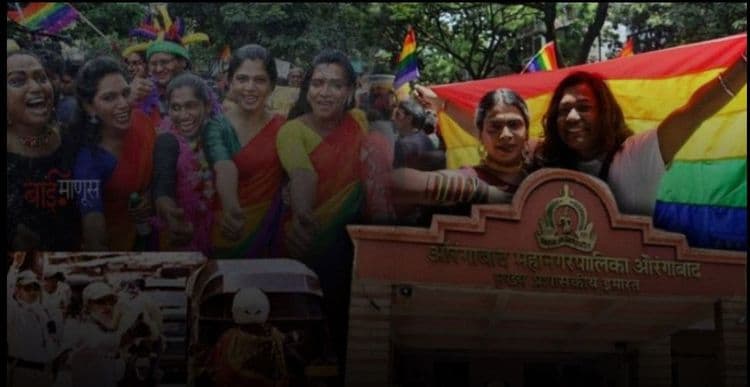
It is much easier to deify a man and make him live on beggars than to accept his humanity and grant him his freedom of expression. This is the tradition here. Just as tigers, murlis, devadasis are the bearers of this tradition, this is the time to forget the pains of the hard lives of hijdas, jogis, aaradhis, etc. etc. Navratri is a time of celebration and respect for Aaradhi, Jogappa, Jogappa, Shivashakti from a large group of people who give rejection. The festival is decided. During this festival there are group gatherings. This community in Maharashtra has met at shrines like Tuljapur, Mandhar, Vani Gad in Nashik, Yallama in Karnataka since Navratri began. But each place in Shaktipeeth has different legends. A major legend has it that the goddess stood guard over this community while going to bathe.

Servants of Yallama Devi are called Jogtis, not only the third party community, many men and women are also Jogtis. The same goes for Aaradhya. The Aradhi community is mainly considered as servants of Ambabai, Yedsari, Mandharchi Kalubai. Some of those who serve Saptashringi Devi at Vani Fort call themselves Bhagats, each of whom has different rituals of worshiping the Goddess, as well as the customs of their communities. The worshipers of Yalma, known as Jogtis, visit the Goddess by putting turmeric on their wet bodies and tying neem leaves around their necks. . Such groups of Jogatyas from villages go there year after year. In it, along with the service of the goddess, there is a whole year of meetings and exchange of hapwala between the respective areas. This time of meeting with each other gives enthusiasm to the group due to the dance songs played there.
This period, which fills up the mental-social isolation of the year, is the same in all Shaktipeeths, with slight differences. Compared to other days, during Navratri, the mainstream society looks at these groups with great respect. He treats them with the utmost respect. Donate them clothes, money, food, for their blessings. Therefore, this period also brings prestige to the community and social happiness, albeit temporary. And all this is obtained by the circle of that Adishakti, so these groups feel that she is the mother and her field is master. So, in this manner, these mahervasinis accumulate in the place of all these matrikas. Share joys and sorrows. The rules of behavior and living in the future are also decided in the meetings here. The tribes sit for judgment. Violators of the group's rules during the year are subject to disciplinary action or some financial penalty.

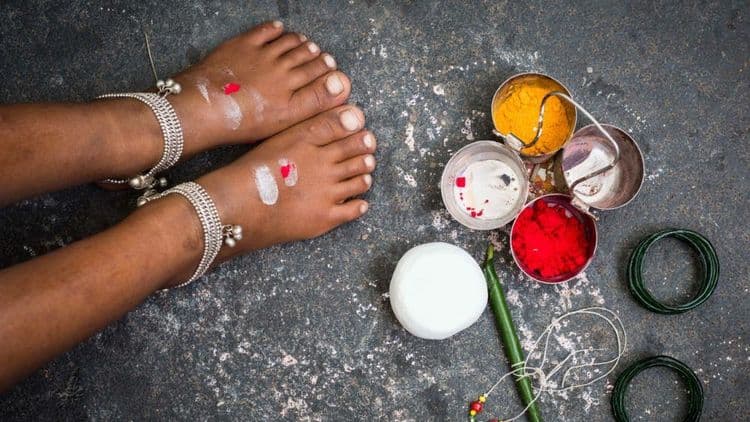
If there are any disputes between them, they are also settled. On the day of Dussehra, where the Aaradhi, Jogti community returns home or resumes its old broken life, the Hijra community prepares for Diwali. This community begs on Diwali and Holi, where it is not possible to go to shops, markets, villages and settlements to beg throughout the year. People who are disgusted by seeing him throughout the year, the majority of society respects him during this period. Treat with respect. Like the Jogats, all their accounts for the year are completed during this period. From sharing of demands to resolving mutual differences, these meetings take place in these meetings. If you look at it like that, this is the time to forget sorrow and achieve happiness. Everyone in the waiting group is looking forward to this month. If we go to see Varkarni, we wonder what is bad in about that. But why and for how long? But we don't think about it.. In fact, we don't want to think about it. So we deify this begging community. He casts them as angels so that they do not demand human rights. Their feet also fall. But the main purpose in doing all this is that this out-of-stream community should not be accepted as a normal part of society.

Our real need is a life of dignity rather than mere sympathy. One might think that, in fact, the Vedic mantras should be inhabited by divine powers within a community that understands the language of God. But instead of that, why is it that only the community that is stuck in the shackles of society and patriarchy gets gifts of divine degree? And why do they have to be victims of begging, defamation, rape etc. despite having so many divine degrees in them? This question is only before me today. But henceforth it may fall to you too, this is the prayer to that primeval primordial mother.