Ritesh Shisode
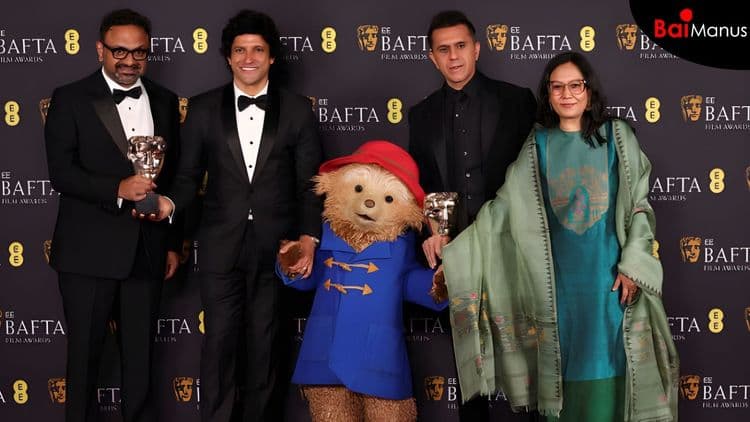
Against the backdrop of ethnic unrest and displacement in Manipur, the small-budget film Boong has achieved a historic first for Indian cinema, winning Best Children’s & Family Film at the 79th BAFTAs. By defeating global studio giants, this Manipuri-language narrative proves that the most powerful stories are often born in the most fractured spaces.
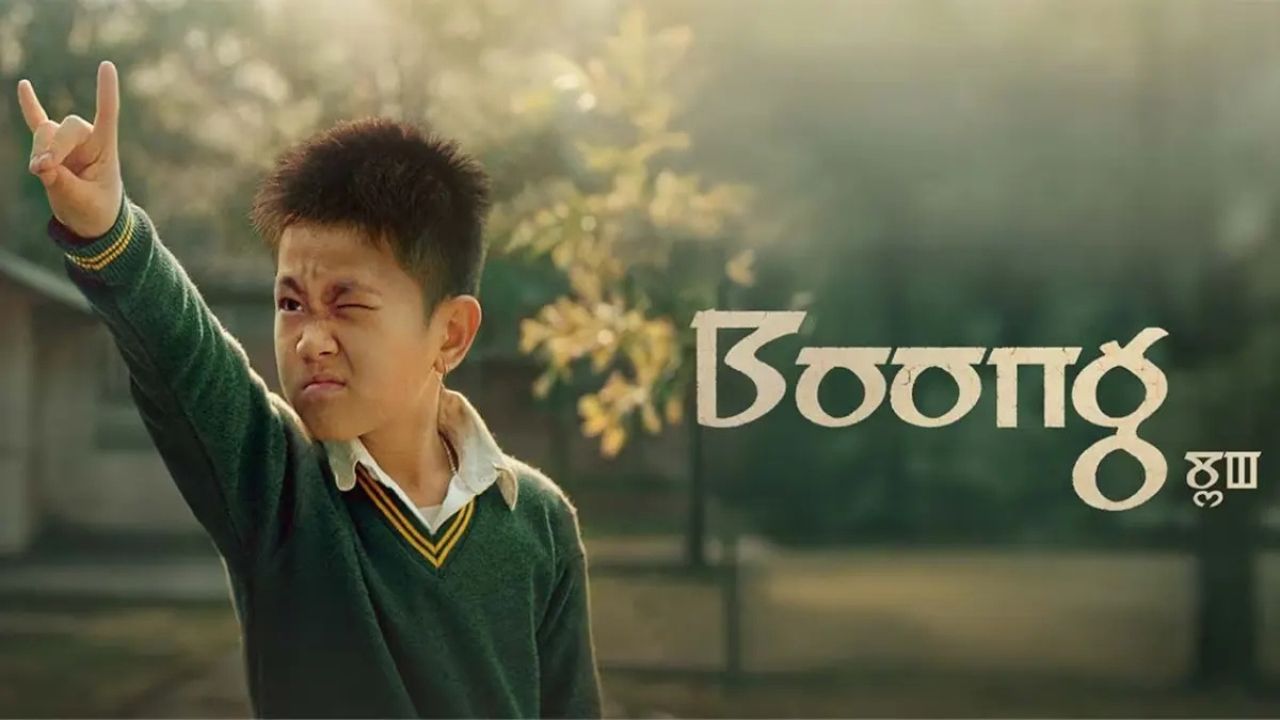 Manipuri film Boong made history at the 79th BAFTAs, winning Best Children’s & Family Film.
The winner for Best Children’s & Family Film was announced at the 79th British Academy Film Awards (BAFTAs), on expected lines it was Manipuri-language film to outshine global studio productions. And Boong did the same, defeated a high-profile international film and marked a historic first Indian cinema in the category.
But beyond the red carpet moment and celebratory headlines lies a deeper story, one rooted in a region that has spent the past few years grappling with violence, displacement and fractured identities.
A Small Film and A Global Stage
Boong is not a blockbuster film nor does it rely on spectacle or special effects. Instead, it tells the story of a young boy, Brojendro “Boong” Singh, who sets out to search for his missing father. Through the eyes of Child, the film navigates the loss, identity, suspicion, and longing issues that also echo deeply in Manipur’s recent history.
The Film being directed with full of restraint and emotional clarity, and still shows the simplicity gives it strength. It presents a child’s world shaped by adult conflicts, without slipping into the political commentary of Manipur. The BAFTA win marks a milestone not for the filmmakers, but for the overall regional Indian Cinema, specifically in the Northeast part of the nation which is mostly overlooked by the mainstream.
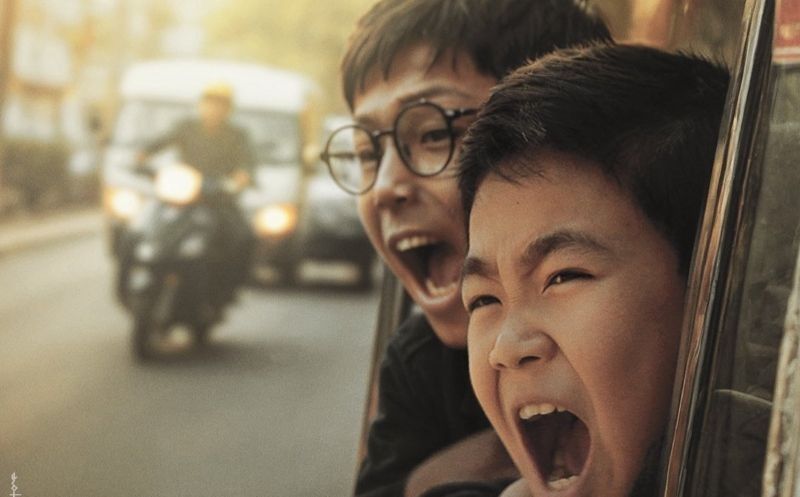 Lead actors Gugun Kipgen and his co-star in a scene from Boong, a story that transcends community divides.
The Shadow of Conflict over Manipur
The Global recognition of Boong comes into eyes in the complicated hours for Manipur. Since 2023, the state has been scarred by violent ethnic clashes between the Meitei and Kuki communities. Hundreds have been killed, and thousands are being displaced. Homes have been burned. Families separated. Entire neighbourhoods have been in the fear of extremism.
Though Boong was shot before the Manipur Clashes and before outbreak of large-scale violence, the theme feels prescient. The story of a child searching for a missing father resonates painfully in a region where displacement has become routine and uncertainty a daily reality.
In all the sense of the current achievement, the film’s triumph feels almost symbolic as a reminder that even from fractured spaces, stories of tenderness and humanity can emerge.
Representation Across Divides
One of the film’s most quietly powerful elements is its casting. The young lead actor, Gugun Kipgen, belongs to the Kuki-Zo community, yet portrays a Meitei character. In a region where identity has become politically charged, this cross-community portrayal carries weight.
It suggests a possibility that art can transcend social fault lines even if politics cannot.
The friendship depicted in the film between Boong and Raju, a boy from a different community, subtly reinforces this message. It is not a loud declaration of unity. It is a simple, believable relationship the kind that children form before adults teach them division.
In this way, Boong does not preach reconciliation. It simply imagines it.
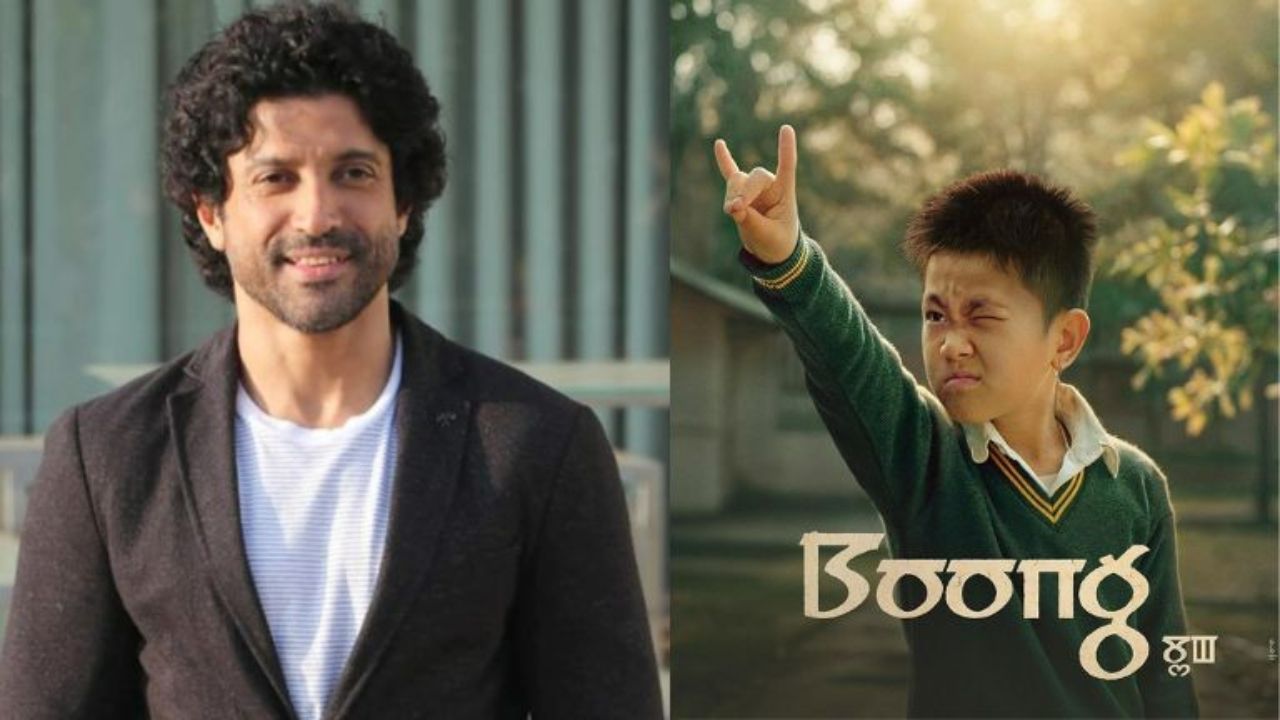
A Rare Victory for Northeastern Cinema
Indian cinema which is often only visible or seen till Bollywood or major southern industries. is often synonymous with Bollywood or major southern industries. Films from the Northeast, particularly those made in local languages like Manipuri, rarely reach national theatres, and international award ceremonies.
Limited funding, smaller markets, and distribution challenges have constrained filmmakers from the region. Stories from Manipur, Nagaland, Mizoram or Arunachal Pradesh often remain confined to film festivals or regional screenings. Boong has travelled from Manipur to Toronto, and now to the BAFTAs, signaling a shift. This shift also suggests that audiences are increasingly open to stories beyond dominant narratives and across borders.
This is not merely a film award. It is visibility.
Political and Cultural Reactions
The BAFTA win drew congratulatory messages from Indian leaders. Prime Minister Modi described it as a moment of pride for the country and for Manipur. Other political figures also shared the sentiment, celebrating the global recognition of Indian storytelling.
Yet the moment also carries political questions. At a time when Manipur’s unrest has drawn international attention and domestic criticism, the global success of a Manipuri film offers a softer narrative, one of creativity and resilience rather than crisis.
It highlights the state’s cultural richness even as it struggles with instability.
For many in Manipur, the win felt personal. Social media reactions from the state were filled with pride, emotion, and hope, a sense that their voices, so often unheard, had reached a global stage.
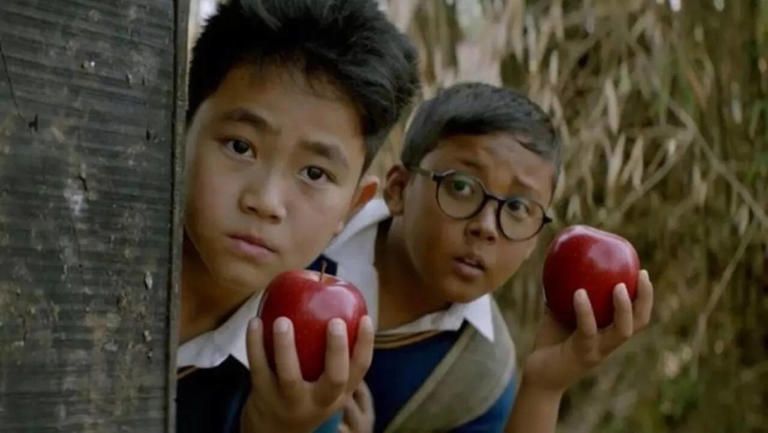 The emotional and human-centric narrative of Boong resonated globally, offering a softer story of resilience from Manipur.
Beyond the Trophy
Awards can sometimes exaggerate significance. In this case, the recognition feels deserved and meaningful. Not because Boong is a grand political statement, but because it is deeply human. It proves that powerful stories do not need spectacle. They need honesty.
For Indian cinema, the win expands the map. It reminds audiences that storytelling excellence exists far beyond Mumbai’s studios. For Manipur, it offers a moment of collective pride amid hardship. And for young viewers, the intended audience of the film, it delivers a subtle but profound message: even in times of uncertainty, your story matters.
A Story That Travels
In many ways, Boong represents the future of Indian cinema, regional, rooted, and globally resonant. It bridges the local and the universal without losing its voice. From a small state grappling with identity and conflict, a child’s story has travelled to one of the world’s most prestigious award stages. And in doing so, it has carried more than a narrative. It has carried hope.