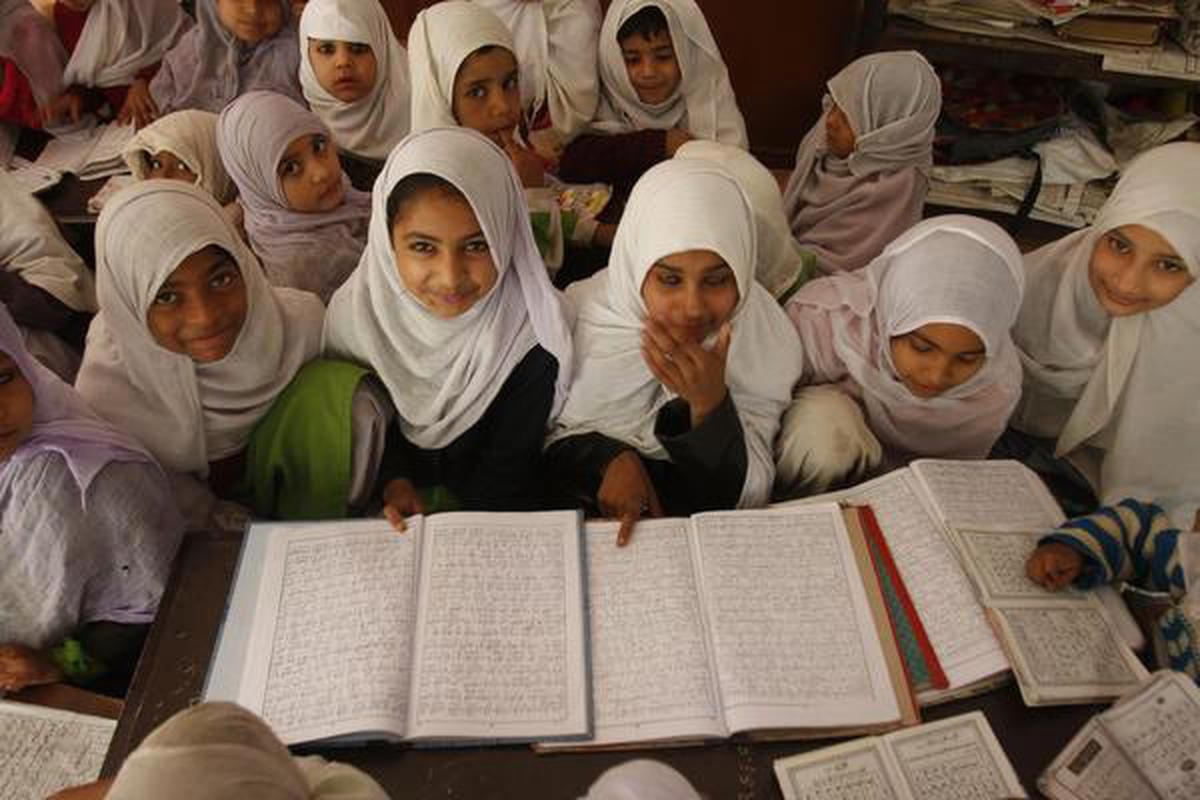
From an early age, many mothers teach their daughters to wear the hijab before they even understand its significance. They buy them different designs, treating it as a fashion statement. Over time, the hijab becomes the girl's own ‘choice.’
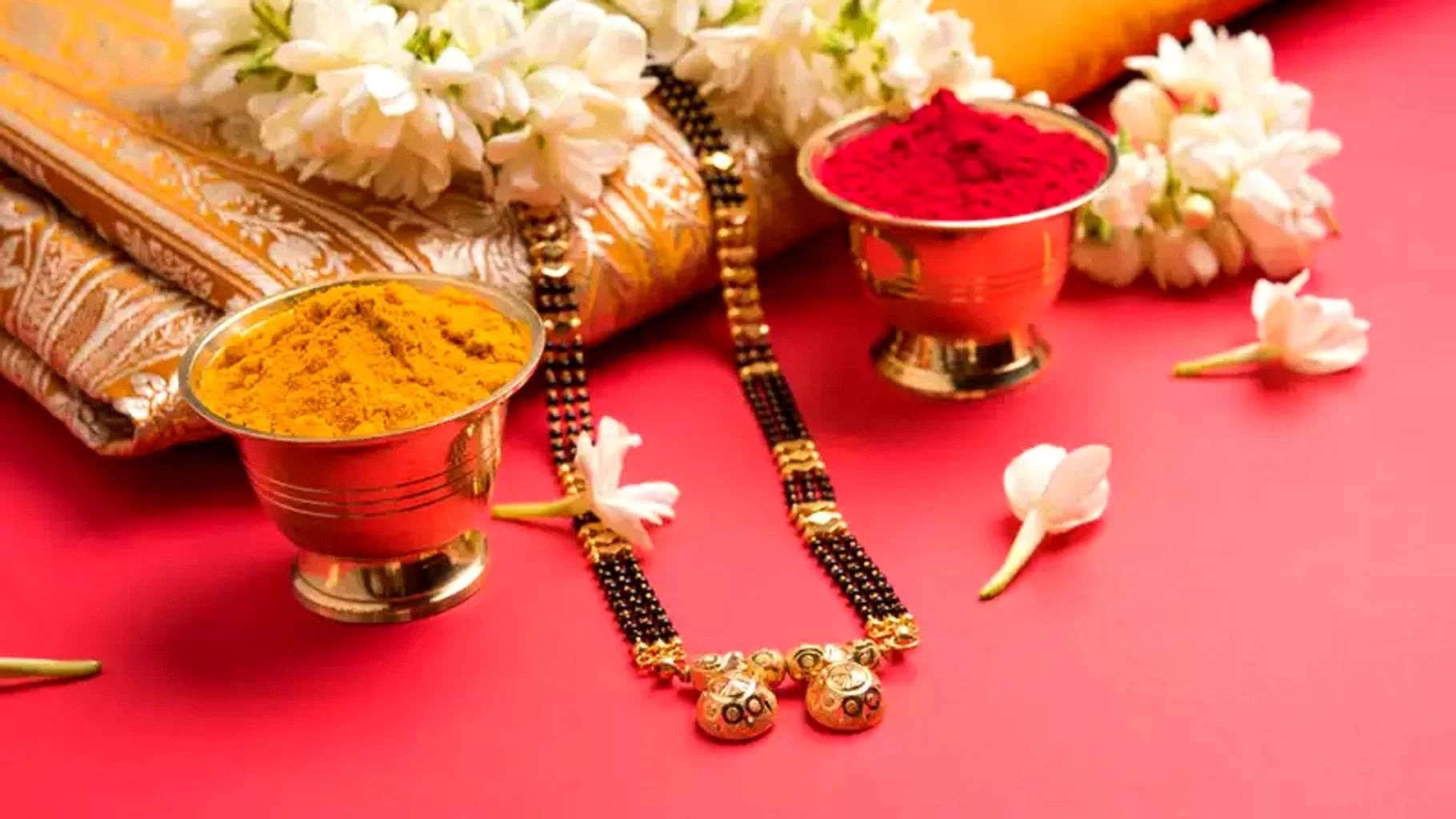
Similarly, Hindu mothers train their daughters from childhood in rituals like Haldi-Kunku, Vat Savitri, and Hartalika. Despite technological advancements, these traditions persist, with women dressing up, taking pictures, and uploading them online under the guise of ‘joy’—unknowingly celebrating their own subjugation.
When someone questions these traditions, women themselves are the first to defend them. The most common excuse is: “I do it because it makes my family happy.” Others say, “I feel good doing this; why overthink it?” And if you ask them how these traditions harm them, they respond, “Tell me what’s the loss in following them?”
Yet, these same women consider themselves feminists. They fiercely retaliate if someone insults their intelligence but remain silent about the oppressive customs, regressive traditions, and patriarchal religious structures that undermine them.
If someone told a woman, “Stay quiet, you know nothing,” she would be offended. If a feminist heard the same, she would be outraged, and social media would be flooded with protests. Yet, when religions have been telling women this for centuries—when every holy scripture echoes this sentiment—not a single woman dares to challenge it with the same fervor.
What kind of half-baked feminism is this?
Many Muslim women claim, “No one forces me; I wear the hijab because I like it.” But if hijabs were truly a matter of personal choice, why don’t Hindu girls develop the same ‘preference’? Coercion isn’t always direct—it can be cultural too. This invisible social pressure explains why Muslim women in India wear mangalsutras, while Muslim women abroad don’t.
A woman may believe she is making independent choices. But if she decides, “I won’t wear the hijab, I won’t observe fasts,” would she still receive the same acceptance from society? The cultural conditioning around her ensures that following traditions earns her approval and respect. The idea that she ‘feels safe’ in a hijab is a carefully constructed belief, not a natural instinct.
A kite, too, believes it is soaring freely in the sky—unaware that its string is held tightly by someone else. Women cannot truly be free unless they break these religious and cultural shackles.
Every religion (yes, every religion) treats women as objects, bound to serve men and carry forward their lineage. To keep them in control, religions impose restrictions and teach them to take pride in these limitations. Society glorifies their sacrifices—whether for family, customs, or rituals. Women are conditioned to believe that their sacrifices define them. Even accomplished women are praised not just for their work but for their ability to ‘manage’ their families simultaneously.
Some religions have gone even further—using women as rewards. While a devout man is promised 72 virgins in the afterlife, women are taught that their ultimate fulfillment lies in serving their husbands. And to prevent other men from looking at these ‘rewards,’ women are covered in veils, hijabs, and burqas—only to be told that it is an honor.
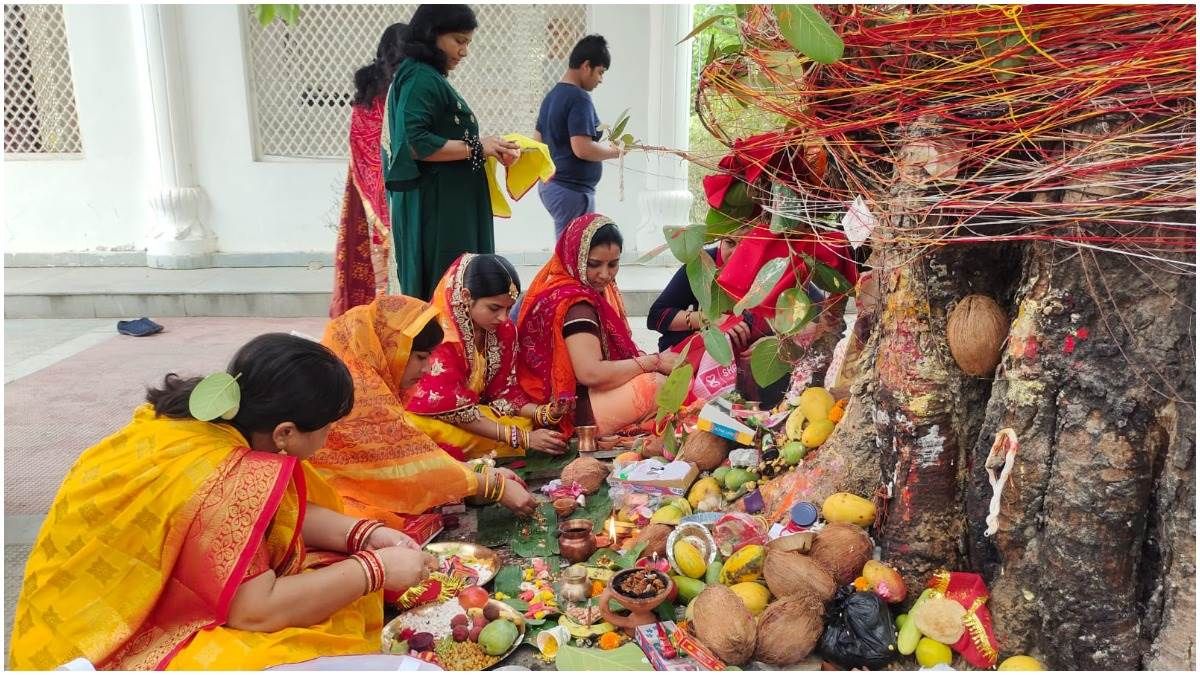
Whether it’s Vat Savitri, Haldi-Kunku, or fasting for the husband’s long life, every woman justifies these traditions by saying, “I do it because I want to.” But this ‘want’ is nothing but a deep-seated cultural conditioning.
Why do all these ‘cultural values’ revolve solely around women? Are there any similar traditions that men must follow? Do men wear any ornament to signify their marital status? Do they cover themselves for the sake of purity? Do they fast for their wives' well-being? Do they grant women the right to multiple husbands or quick divorces? The reality is that men have only one ‘cultural responsibility’—to find a submissive wife.
Men benefit from these systems, so of course, they won’t challenge them. But the real irony is that women themselves are its biggest defenders.
If a husband tells a woman to eat stale bread, she will refuse. But if tradition asks her to consume cow dung or perform exhausting rituals, she embraces it with pride, claiming, “I do it out of my own free will.”
Sister, do you not see that this ‘free will’ is nothing but indirect cultural coercion?
At its core, all of this serves patriarchy. If you fail to recognize this, then your feminism is hollow. How long will you continue attacking only men? When will you confront the religious institutions that shape these patriarchal systems? When will you challenge the scriptures that uphold this oppression?
Feminism and religious orthodoxy are fundamentally opposed. Yet, many women refuse to see it. They have been yoked to a patriarchal cart, with religion’s burden on their shoulders and patriarchy’s reins in their noses.
If you truly wish to be free, you must remove both—the religious burden on your shoulders and the patriarchal leash around your neck.
Can you see this now?
Why do you continue to seek solace in the very traditions that oppress you? Why do you wipe your tears with the same cloth that made you cry in the first place?
If you find entertainment or peace in the very customs that suffocate you, then you are complicit in your own oppression.
Religions have mastered the art of making slaves celebrate their own slavery—and that is exactly how they succeed.