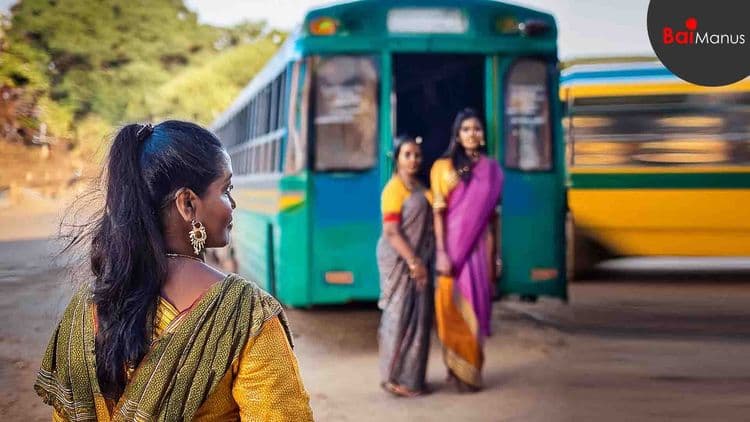
One of the worst nightmares for any woman is traveling during her period, trying to hold her pee, then opening the toilet door to discover the toilet incredibly dirty. What a terrible situation it is! The intense pain of period cramps, the uneasy feeling of holding the pee, the responsibility of being safe and of course the dire sight of the public toilet.
The poor conditions of the public restrooms at the bus station have led to the development of numerous harmful parasites. These parasites cause health-related diseases in women. According to Feminism in India, "Urogenital myiasis is a parasitic disease caused when flies lay their eggs near the end of the urethra, which results in the larvae proceeding upwards on the lines of the urogenital tract. Research has shown that traveling women are at a higher risk of contracting illnesses like UTIs or bacterial infections."
The situation exacerbates for pregnant and lactating women. Where will they feed their newborn? How will a pregnant woman urinate? There are high chances of carrying infection 'down there.' There are no special spaces for such women while they are traveling. Many women plan their travel schedule so as it excludes the days when they are menstruating.
We thrive on women empowerment, but no woman will be empowered with a bad toilet infrastructure. The sanitation for women at bus stations and railway stations is still a big unanswered question. The government might introduce various schemes, but women's hygiene and sanitation are still a problem that forbids women from traveling.
The Swachh Bharat Mission, a campaign rolled out by the Government of India in 2014, so far has helped in achieving cleanliness, but not completely. The total number of MSRTC bus stations in the state is 578, respectively, according to the Hindustan Times. But there is no information about bus stations with clean toilets or bus stations with feeding rooms.

The Mahila Samman Yojana allowed women to obtain a 50% discount on all types of MSRTC bus tickets. Since then, there has been a significant increase in the number of female travelers at bus stations and buses. The growing number of women using stations demands the availability of clean toilets. There are toilets available at the station, but simply building a toilet and letting it be is not the solution. It is essential to clean the toilets on a daily basis.
Many women urinate while standing because they are unable to hold onto their pee. According to Feminism in India, "Females do not have a prostate, which helps support the male bladder while standing. This lack of support can place extra strain on the bladder region when not sitting down properly, making it painful for the joints. It also makes it harder for the bladder to fully empty. This is not just hard for older and pregnant women but also has an increased risk of creating joint pains and leading to arthritis."
Sometimes to avoid peeing, women often drink less water. They avoid liquids and prefer sticking to solid food. This leads to dehydration, further affecting the health.
If we truly aim to empower women, we must provide infrastructure and services that ensure frequent toilet cleaning and maintenance. Women should have access to sanitation facilities such as feeding rooms, sanitary pads, and commodes. Only by creating a safer environment for women will we be able to effectively promote women's empowerment.