Breasts, Bras, and 40-Degree Heat…
“Why is ‘No Bra Day’ only celebrated on October 13th...? Honestly, it should be celebrated every single day of summer… It’s so damn hot, and on top of that, this tight bra—it’s unbearable. I feel like just throwing off this burden called a ‘bra’…”
Kiran Gite
“Why is ‘No Bra Day’ only on October 13th...? Honestly, it should be every day during the scorching summer months. The heat is insane, and this tight bra—I can’t take it anymore,” ranted Sanjana as she stepped into the office.
But this isn’t just Sanjana’s frustration. It echoes the voices of millions of women across the country. And yet, they can’t just throw away this burden—even if it causes physical and emotional distress. Because this isn’t just a bra. It’s the weight of patriarchy, tradition, religion, caste, class, urban-rural divides, fidelity, morality, ownership, sexual suppression, and frustration—woven into a piece of fabric.
Even Heat Discriminates Between Genders
Nature created male and female bodies differently. And even heat behaves discriminatorily between them. Though everyone feels the heat and sweats, research shows that women are more affected by rising temperatures than men. The changing atmosphere, pollutants in the air, clothing, and the nature of women's work all add to the suffering.
A “bra”—just a piece of cloth—has been given disproportionate importance by society. An item meant to support the body has become a social burden for many women, especially in summer. Sweat, suffocation, and discomfort make bras unbearable. Yet women wear them because it’s considered a social obligation. Add to that the fear of “what will people say?”
This all boils down to one crucial question: Who has ownership over a woman’s body—herself, or society and its outdated standards?
The Social Weight of Bras in Summer
Summer makes tight clothing unbearable for women. For those who commute daily, wearing a bra becomes a distressing task. They face sweat, chafing, and rashes caused by tight straps, especially while traveling on crowded buses and trains. Discomfort affects focus, increases irritability, and often worsens health—especially for women involved in physical labor who stand for long hours.
Still, societal expectations force women to suffer in silence. Because we’ve been taught: to be decent is to wear a bra.
But times are changing. Women are becoming more health-conscious. There are now videos and ads showing what kinds of bras are better in summer. Doctors even suggest that not wearing a bra can sometimes be the healthier option. Many women skip bras at home—and rightly so. When the body is free, the mind feels a bit more liberated too.
Rashes on Shoulders, Back, and Beneath the Breasts
We spoke with women in our own BaiManus office. Journalist Sanjana Khandare, who frequently reports from the scorching Marathwada region, shared:
“I’m plus-sized, and my breasts are large. It causes back and shoulder pain. I don’t wear bras at home, but outside, I’m forced to—checking constantly if everything looks ‘acceptable.’ On the field, it’s worse—sweat builds up under the breasts, causing itching and rashes. The first thing I do when I get home is throw off my bra and take a deep breath. But when I look in the mirror, I see red rashes on my back, shoulders, and beneath my breasts—it feels like burns. Sometimes I feel like bras are daily prisons for women.”
She adds, “Why only celebrate No Bra Day in October? It was started to raise awareness about breast cancer. But if wearing a bra itself causes discomfort and health issues, is one day really enough? In India, summer lasts 3–4 months and is torturous for women. Constant sweat, lack of airflow, and the resulting rashes, infections, and even breathing issues make life harder. That’s why we don’t just need one No Bra Day—we need a whole No Bra Awareness Season, where women can choose freely whether to wear one or not. Let’s prioritize health, comfort, and dignity over shame and judgment.”
“They Had to Remove My Right Breast…”
Megha, 28, recalls:
“During puberty, my breasts grew quickly. I didn’t think much of it, but because they were big, I felt it was necessary to wear a bra—always. Even at home, even while sleeping. At 23 or 24, I discovered lumps in my breasts. Tests confirmed breast cancer. Despite chemotherapy, the medication didn’t help. Doctors had to remove my right breast. It shattered my world. But I gathered courage. Today, I talk to young girls about the effects of bras and raise awareness about breast cancer. No one should have to go through what my family and I went through.”
What Do Doctors Say About Bras in Summer?
We asked Dr. Revat Kaninde about the medical perspective. Should women wear bras or not?
She explained:
“Whether to wear a bra or not is entirely up to the woman. There’s a belief that not wearing a bra makes breasts sag. But sagging isn’t a disease. Breasts are meant for breastfeeding. Whether they are large, small, tight, or saggy—none of that affects their function. So sagging due to not wearing a bra isn’t a big deal.
In summer, women should wear light, cotton, loose-fitting clothes. Comfort is key. In many tribal areas, women don’t even wear blouses—and they’re perfectly comfortable. Tight bras or synthetic fabrics can cause wounds and rashes under the breasts and on the back. In such cases, it’s healthier to avoid wearing a bra.
Avoid working directly under the sun, stay hydrated, and drink lemon water—it helps.”
What Do Doctors Say About Wearing a Bra in Summer?
So what exactly is the medical perspective on all this? Should one wear a bra or not? What are the pros and cons? What special care should women take in summer? We spoke to Dr. Revat Kaninde to understand this.
According to Dr. Revat, “Whether to wear a bra or not is entirely a woman’s personal choice. Many times we read that not wearing a bra can cause breasts to sag. But sagging breasts are not a disease. The sole function of breasts is to provide milk to newborn babies. Whether they are small, large, tight, or saggy – it does not affect their ability to breastfeed. So, breasts sagging because one doesn’t wear a bra is not a bad thing in itself. During summer, women should wear cotton, light-colored, and especially loose-fitting clothes to avoid discomfort. What matters most is your comfort. In many tribal communities, women don’t even wear blouses – because they are comfortable in their traditional attire. Tight bras or non-cotton clothes during summer can cause wounds under the breasts or on the back. In such situations, avoiding bras is always the better choice. Avoid working directly under the sun during summer. And keep your body hydrated by drinking lots of water – lemon water is even better.”
Urban vs. Rural Clothing Practices
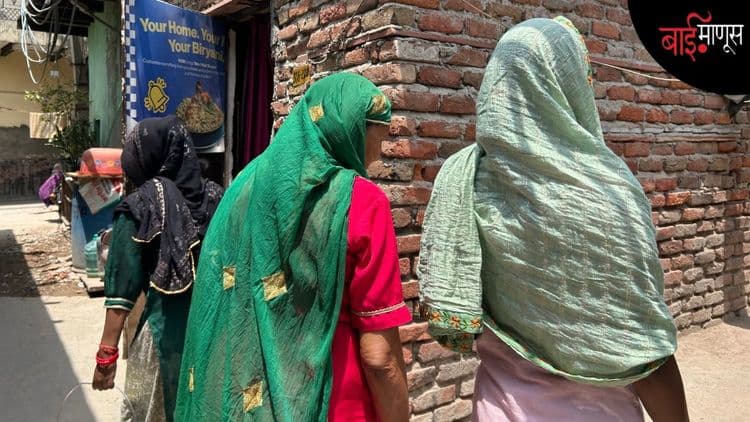
Urban women tend to wear bras more than rural women. In rural areas, women mostly wear sarees with blouses and a pallu (shoulder drape), making the bra somewhat unnecessary. Since rural women don’t usually wear bras, they experience fewer skin-related issues around the chest area. Their attire is usually loose and made of cotton, allowing the skin to breathe and reducing physical problems.
What Do Skin Specialists Say?
Skin specialist Dr. Samrat Gutte explains, “Wearing tight clothes in summer causes excessive sweating, leading to fungal infections – something we observe more frequently during this season. So, wear loose clothes as much as possible. Prefer cotton fabrics. Also, avoid consuming sugary foods. If someone already has a fungal infection, sugar can worsen and spread it, and recovery may take longer. After bathing in the morning, ensure the body is completely dry before wearing clothes. Similarly, after returning from work, wipe off the sweat to prevent skin issues.”
In 40°C Heat, Girls Still Have to Wear Multiple Layers of Clothing
In a patriarchal society, when men openly speak on such sensitive issues, it helps reduce the shame or taboo surrounding them. For instance, if men speak about the discomfort caused by bras, it won’t be dismissed as a ‘silly complaint about women’s clothing,’ but instead be acknowledged as a genuine human need. As long as women have to speak about bodily discomfort alone, the fight remains incomplete.
When men speak up, it means sharing space on the table of dialogue. If you have a relationship with a mother, sister, friend, or colleague – understanding their experience and speaking up for them is definitely a responsibility. That’s why men’s opinions on this issue are important too.
On this note, BaiManus spoke to journalist Ashay Yedage. Ashay said, “Personally, the season I find most uncomfortable is summer. Because you can wear a raincoat during rains or a jacket in winter, but there’s nothing you can do to escape the heat – at least not in public. Jokes aside, the point is men can at least wear loose clothing during summer – vests, shorts, etc., to stay cool. But do women have the same freedom? Can a woman openly wear very loose or casual clothes? In 40°C temperatures, even if someone just puts a hand on my shoulder, I get irritated. And in such heat, girls and women have to wear multiple layers – a tight bra, a blouse, a saree… I can’t even imagine walking around with a sheet wrapped over me in that heat. And a saree is just like that – like a sheet. Do women have the freedom to wear shorts and a vest like us?”
The Bra – A Suffocating Experience
The bra is quite an intense topic. It’s like someone is constantly clutching your chest tightly. How do women even bear that? Of course, bras and similar women’s garments carry a certain male-centered politics. Out of fear and shame of the male gaze, society has layered women in various garments. But nothing is ever done about the male gaze itself. Who’s going to drape a cloth over that gaze? Who’s going to clean that look? If ever that happens, only then will women be able to breathe freely in summer.
What’s the History of the Bra?
The history of bras dates back to ancient times. Greek and Roman women used cloth strips to cover their bodies. But it is believed that the first modern bra was made in France. In 1869, Herminie Cadolle split the corset into two parts and created an undergarment. The upper part of this became the bra we know today. In 1914, American woman Mary Phelps Jacob designed a more modern version of the bra – she was frustrated with corsets and wanted a more comfortable alternative.
In the following decades, bras became more than just functional – they turned into symbols of beauty and femininity. Designs evolved into padded bras, push-up bras, strapless bras, sports bras, transparent bras, T-shirt bras, and many more. But were these changes based on women’s needs or society’s expectations? That’s an important question.
What Was the Corset?
Corsets were popular in Europe from the 16th century. They were worn inside clothes and often contained wooden, metal, or whale-bone strips to give the body a firm and shapely appearance – a narrow waist, full and high chest – all according to European beauty standards. But women found corsets uncomfortable, causing breathing difficulties and limiting movement. Eventually, women began resisting corsets, leading to the invention of the bra – which, though still somewhat uncomfortable, was less so than the corset.
Why is October 13 Celebrated as No Bra Day?
No Bra Day is celebrated every year on October 13 to raise awareness about breast cancer. It was first observed in 2011 when someone started the NO BRA DAY campaign on social media. It then spread worldwide. The day is meant not just for cancer awareness but also to highlight the discomfort bras can cause. On this day, women often skip wearing bras and use it as a moment to assert body autonomy, empowerment, and confidence.
No Bra Day isn’t just a trend – it carries a social message. It challenges traditional notions about women’s bodies and emphasizes the importance of speaking about breast health. Even today, not wearing a bra is considered shameful in many places – but No Bra Day seeks to change that mindset. It reinforces the idea that women have full rights over their bodies and promotes awareness about health issues.
The Male Gaze – An Inseparable Part of the Issue
As a society – regardless of gender – we need to reflect on the way women are viewed. Whether you're a woman, man, or gender-diverse person, how we look at women needs to evolve...