Ritesh Shisode
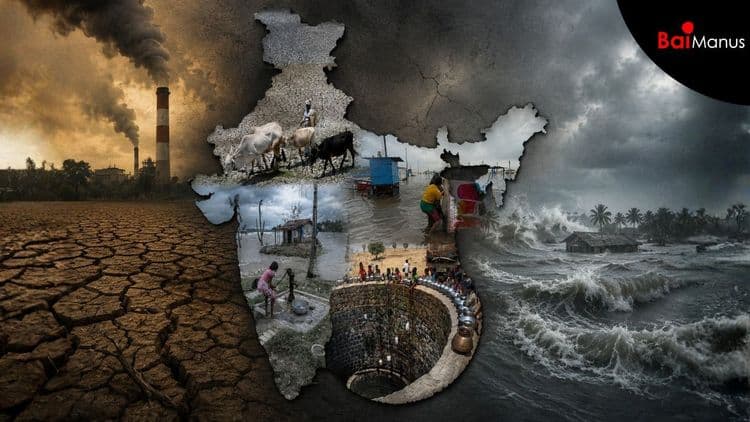
- India ranked 176th globally in the latest Environmental Performance Index (EPI), but the ranking is based on dozens of environmental indicators and not a single measure of pollution or climate performance.
- While India has made significant progress in renewable energy, wildlife conservation, and international climate commitments, persistent challenges such as air pollution, ecosystem degradation, and environmental governance continue to affect its overall score.
- The ranking raises an important question for policymakers: can India achieve rapid economic growth while improving environmental performance, or will environmental degradation continue to undermine development?
India once again falls to the bottom of the major global environmental ranking. In the 2026 Environmental Performance Index (EPI), the nation ranked 176th out of 177 nations, placing India second from the bottom with a final score of 22.4 out of 100. India was not only ranked second-to-last but also last among the eight South Asian Nations assessed, behind Bhutan, Sri Lanka, Bangladesh, Pakistan, Nepal, Afghanistan, and the Maldives.
For many readers, the conclusion seemed obvious: India has failed environmentally. But does the ranking really mean India is among the world's worst environmental performers? Or does it reveal something far more complex about how environmental performance is measured?
These questions matter because the Environmental Performance Index is widely cited by researchers, policymakers, environmental organisations, and international institutions as one of the world's most influential environmental scorecards. It shapes global conversations around sustainability, environmental governance, and climate action.
Who Publishes the Ranking and Why Does It Matter?
The Environmental Performance Index is developed by researchers at the Yale Centre for Environmental Law and Policy in collaboration with Columbia University and other international partners. Unlike many public opinion surveys or perception-based rankings, the EPI relies on internationally available environmental datasets.
Countries are evaluated using dozens of indicators that broadly measure three themes:
- Environmental Health
- Ecosystem Vitality
- Climate Change Mitigation
These themes include parameters such as air quality, sanitation, biodiversity, forests, fisheries, agriculture, wastewater treatment, greenhouse gas emissions, renewable energy transition, and ecosystem protection. In simple terms, the ranking is designed to answer one question, How effectively is a country protecting both its environment and the health of its people?
This is why governments, researchers, investors, and global institutions often pay close attention to the findings.
Why Did India Rank So Low?
India's low ranking is not the result of one environmental problem. Instead, it reflects multiple long-standing challenges.
Air Pollution
Air quality continues to be India's weakest environmental indicator. Several Indian cities regularly record some of the highest PM2.5 concentrations in the world. Vehicle emissions, coal-fired power plants, industrial pollution, crop residue burning, and construction activities collectively contribute to poor air quality.
Ecosystem Degradation
India is one of the world's most biodiverse countries. Yet rapid urbanisation, infrastructure expansion, mining, deforestation, and land-use change continue to place pressure on forests, wetlands, rivers, and wildlife habitats. The challenge is no longer simply conserving forests but ensuring that development projects do not permanently damage ecosystems.
Coal Dependence
India has emerged as a global leader in renewable energy. Yet coal continues to supply the majority of the country's electricity. This creates a difficult balancing act. India must continue providing affordable electricity for a growing economy while simultaneously reducing emissions and expanding clean energy.
Waste and Water
Rapid urbanisation has also created growing challenges in waste management, wastewater treatment, river pollution, and plastic waste. Many cities have improved waste collection, yet segregation, recycling, and scientific disposal remain inconsistent. Similarly, despite major river rejuvenation programmes, water quality continues to remain a significant concern in several regions.
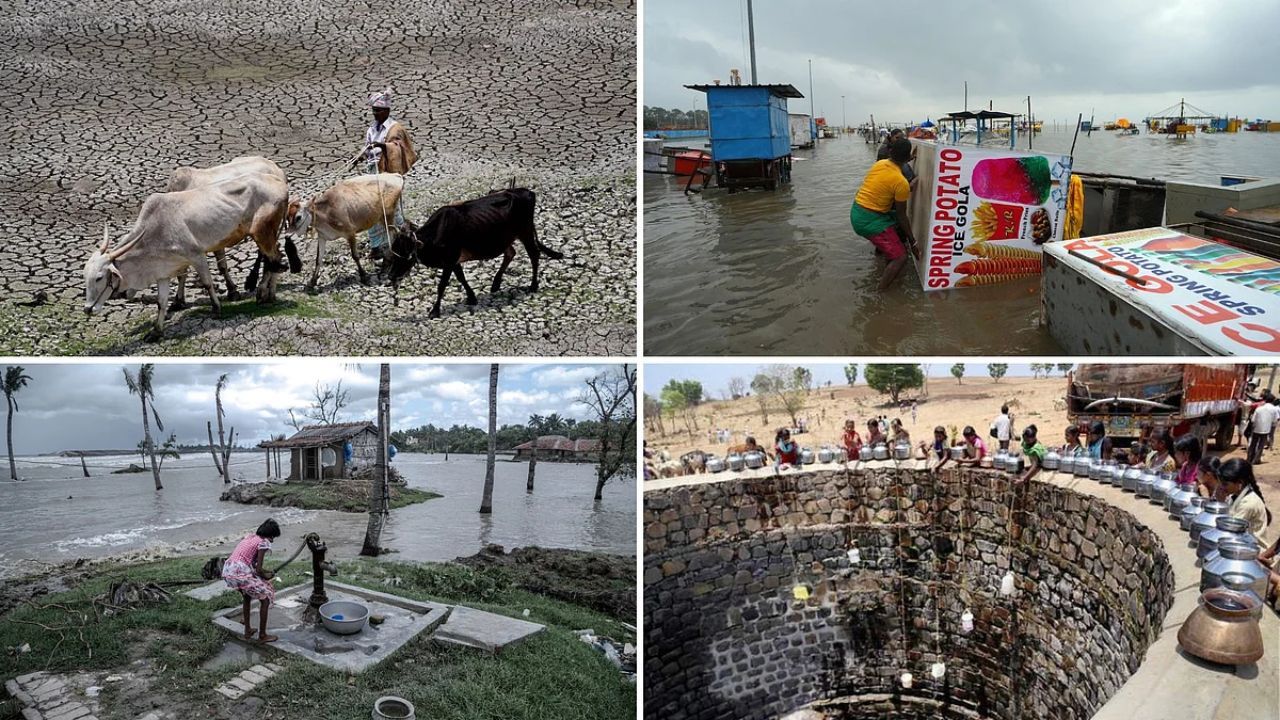
Government Failure or Governance Challenge?
The Environmental Performance Index also raises another important question. Is India's low ranking primarily a policy problem or an implementation problem? India already has environmental laws covering air pollution, waste management, water conservation, biodiversity, plastic waste, and environmental impact assessments.
The issue often lies in enforcement. Weak monitoring, limited institutional capacity, overlapping responsibilities between agencies, and uneven implementation across states continue to affect environmental outcomes. According to an environmental governance expert,
India's environmental challenge today is less about the absence of policies and more about their implementation. "India has comprehensive laws covering air pollution, waste management, biodiversity, and environmental protection. The real gap lies in enforcement, institutional capacity, and coordination between central, state, and local authorities. Strong environmental governance requires consistent monitoring, reliable data, adequate funding, and accountability. Without these, even well-designed policies struggle to produce measurable improvements on the ground.
Environmental protection therefore depends not only on ambitious announcements but also on effective governance at the local, state, and national levels.
Beyond Ranking, what matters?
Global rankings often attract attention because they simplify complex realities into a single number. But environmental performance cannot be understood through rankings alone. India today faces a unique challenge. It must provide jobs, housing, infrastructure, electricity, and economic opportunities for one of the world's largest populations while simultaneously reducing pollution, protecting ecosystems, and responding to climate change.
The Environmental Performance Index serves as a reminder that economic growth and environmental sustainability cannot be treated as separate goals. Whether or not India agrees with every aspect of the methodology, the underlying environmental challenges highlighted by the report are real.
Cleaner air, healthier rivers, protected forests, better waste management, and stronger environmental governance are not merely international benchmarks; they are essential for improving the quality of life of every Indian citizen. The real question, therefore, is not whether India ranked 176th.
The real question is whether future rankings will reflect a country that successfully balanced development with environmental responsibility or one that allowed environmental degradation to become the hidden cost of economic growth.