“Madam, I know cleanliness is important during menstruation, but where do I get water from for that?”
Byline: Kiran Gite
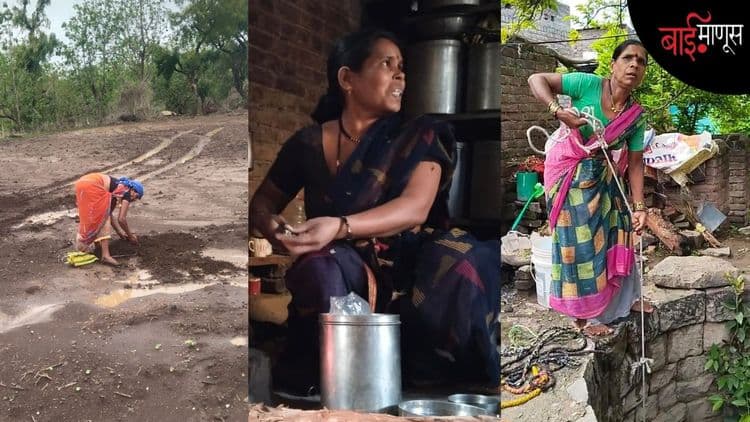
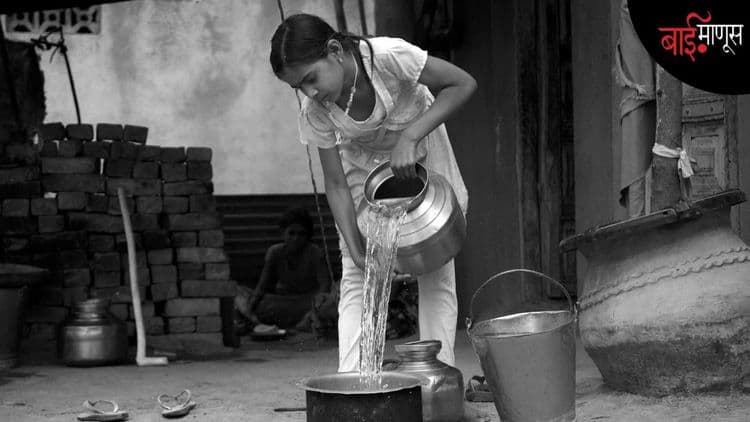
In menstruation, the challenge of maintaining personal hygiene often comes down to the issue of water supply. But in regions where there’s a water shortage throughout the year? In areas prone to droughts? In places where women walk 4–5 kilometers daily to fetch a pot of water? These questions have no easy answers.
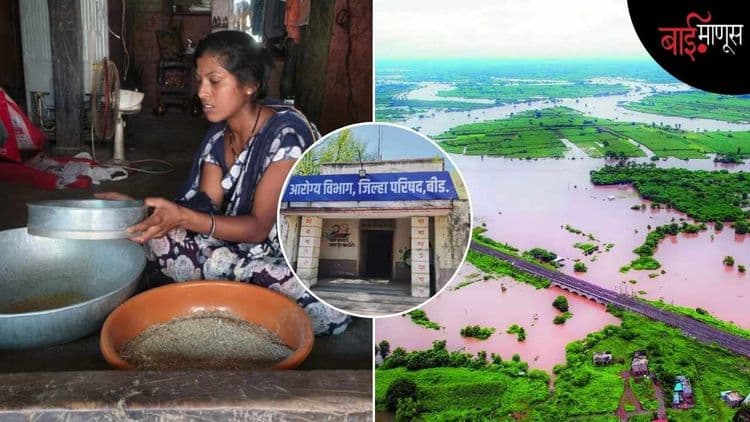
After visiting drought-prone districts like Beed, Dharashiv, and Palghar in Maharashtra, the situation uncovered was shocking and revealing—it's concerning that there is no significant policy change to address these issues.
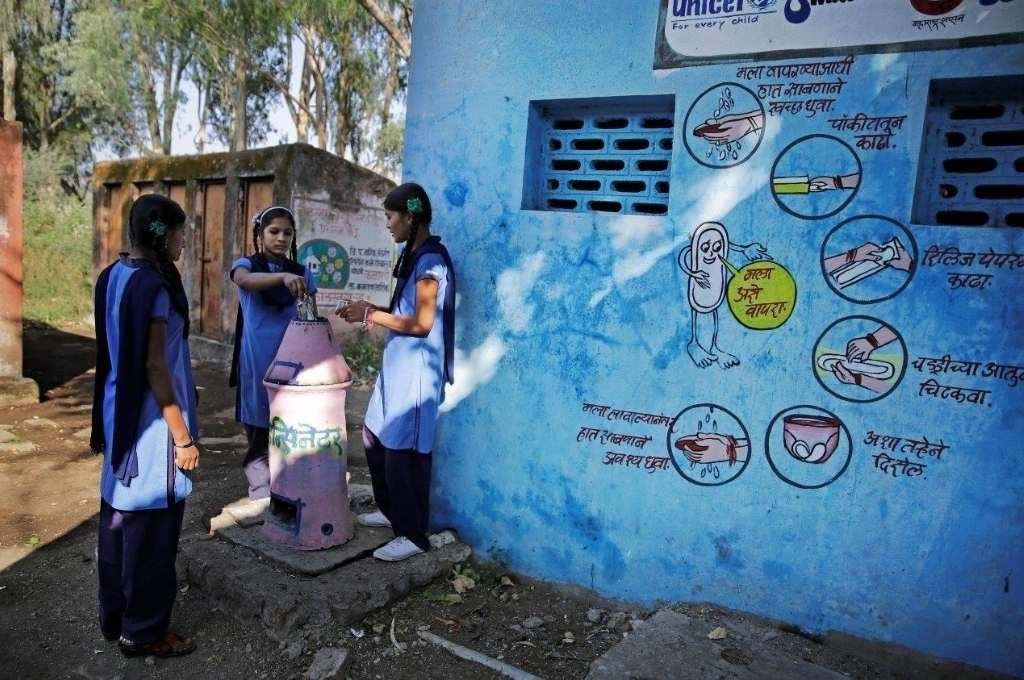
Women spend over 1,800 days of their lives in menstruation. In other words, about 5 years of a woman's life is spent in blood loss during menstruation. Menstruation is a natural biological process, an inherent part of the vast cycle of nature.
To spread awareness about this, many efforts are being made to dispel misconceptions about menstruation, educate on health and hygiene, and create awareness across various levels regarding menstruation hygiene.
However, the issue that most women face in menstruation is maintaining hygiene, and in drought-prone areas where there’s a shortage of water, the problem is far more serious.
The shocking and alarming findings from a survey conducted by the ‘Sulabh Foundation’ in Maharashtra’s drought-hit districts revealed that many women and schoolgirls in these areas struggle with basic hygiene during menstruation due to water shortages.
The survey, which involved women from Beed, Dharashiv, and Palghar, highlighted the dire conditions where women, in particular, suffer greatly due to the lack of access to water during their menstrual periods.
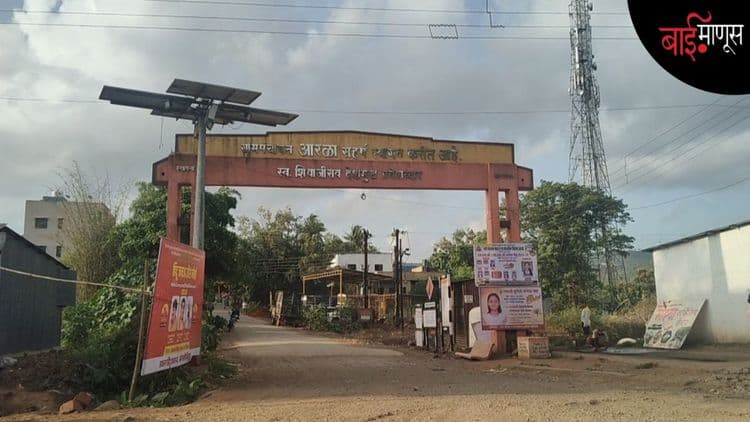
Location: Vikramgad, Palghar
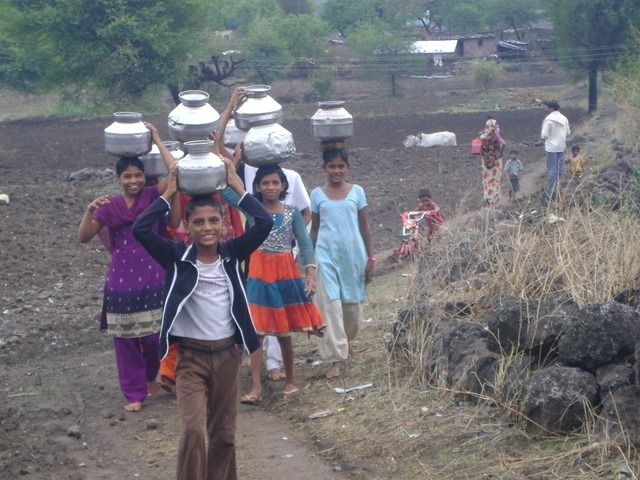
In Vikramgad, a village in Palghar, 14-year-old Minakshi faces significant challenges. Though she has been taught about menstrual hygiene at school, she’s helpless in practicing it. Her village, as well as her school, both lie in drought-prone areas where getting a basic supply of water for drinking requires walking kilometers.
For Minakshi, having water to maintain menstrual hygiene is a luxury she cannot afford, despite her desire to stay clean.
Minakshi lives in Manpada, an adivasi-dominated village in Palghar, where every year before the summer season, the villagers are thirsty for water. In 2022, 19 villages and 73 hamlets in the district received water every week, but now this number has increased to 31 villages and 122 hamlets. Water is supplied only once every eight to ten days, forcing residents to wander in search of water.
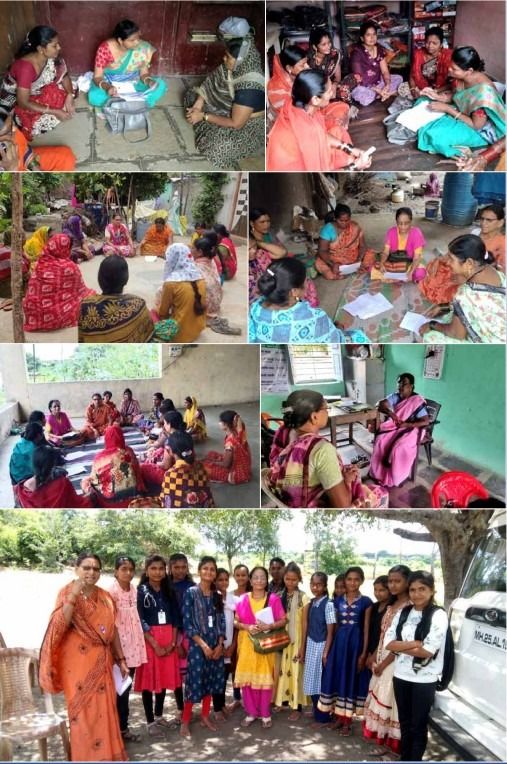
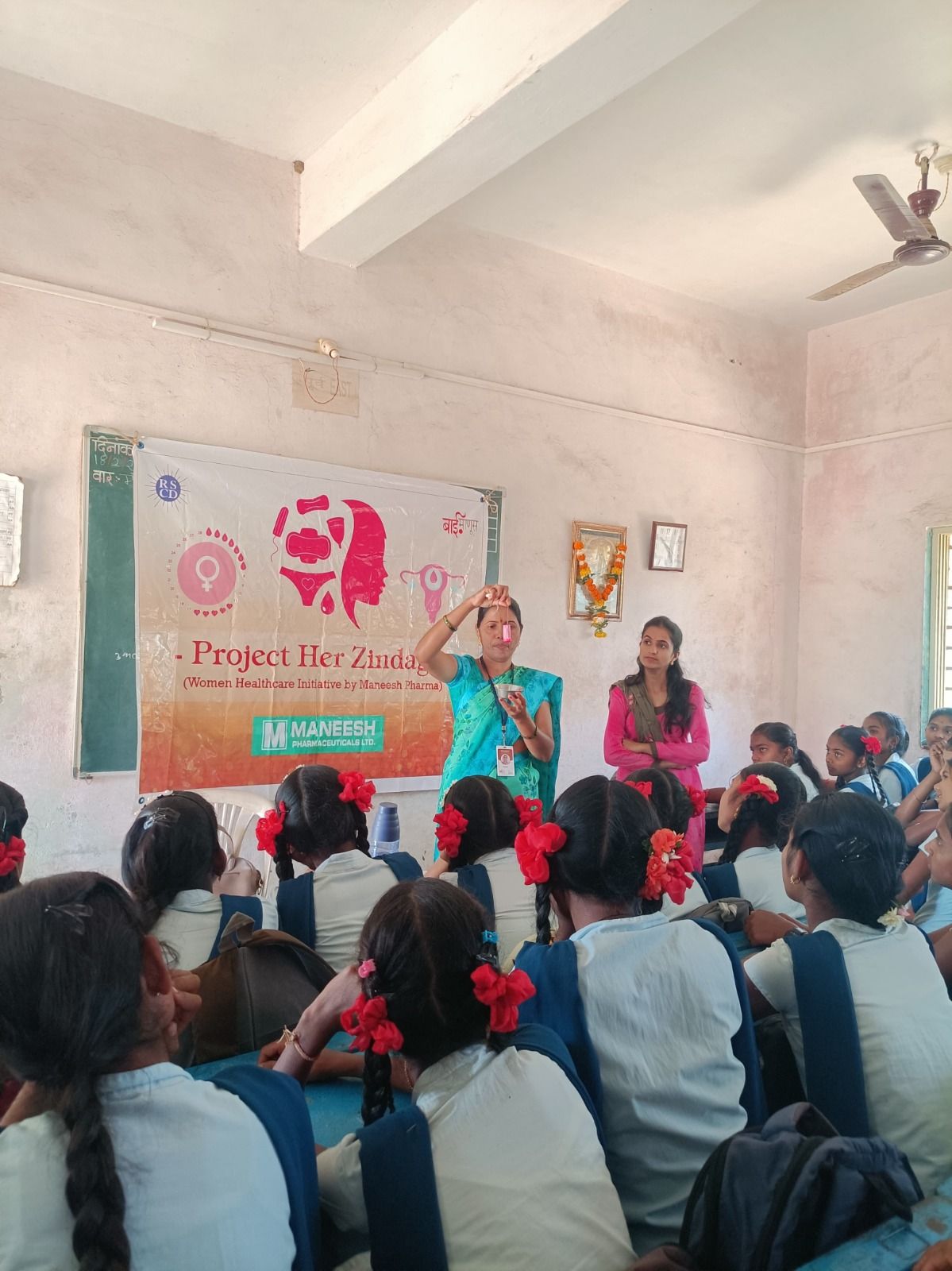
Priyanka Bhosale, the project director of 'Har Zindagi,' an initiative addressing menstrual hygiene in Palghar, states, "The issue of water shortage, drought, and menstruation is so serious that discussing it openly is difficult. When we conduct awareness programs in ashram schools, the girls' first question is always, 'Madam, where will we get water from?' It’s heartbreaking to see that despite being so close to Mumbai, women in Palghar struggle to find water to stay clean during their periods. What could be a bigger tragedy?"
Palghar is predominantly home to communities like Warli, Koli, Kokna, and Katkari. Most families in these communities live below the poverty line, and due to the region’s mountainous terrain, employment opportunities are scarce. Consequently, people migrate to other parts of the state in search of better livelihoods.
Many schools in this region are not conducive to menstrual hygiene. The lack of proper infrastructure—like clean toilets, water supply, and privacy—leads to absenteeism, especially during menstruation. As a result, the lack of facilities leads to improper hygiene practices, increasing the risk of infections, rashes, and long-term health complications.
Location: Kalamb, Dharashiv
In Dharashiv, another drought-prone district, a recent survey by the ‘Sulabh Foundation’ found that 577 women faced numerous challenges during menstruation. Among these, Sunanda Kharate, a social worker based in Kalamb, highlights that in these villages, women struggle with basic hygiene because there is often no water to wash their menstrual cloths. Sunanda says, "In many villages, water comes only once every eight days for an hour. There’s simply no water to wash the clothes used during menstruation. This leads to unhygienic conditions and increases the risk of infections."
In rural areas, many women avoid seeking medical advice because there are no female doctors. Often, the nearest healthcare center is far from the village, and men may not feel comfortable discussing their health concerns with male doctors.
Location: Sugarcane Harvesting Workers’ Settlement, Beed
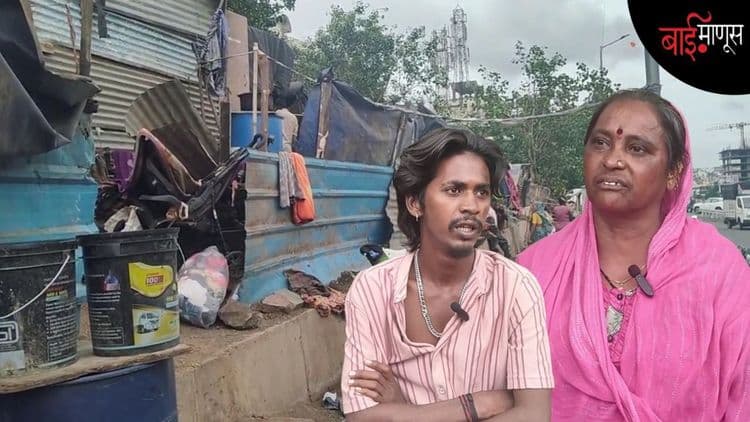
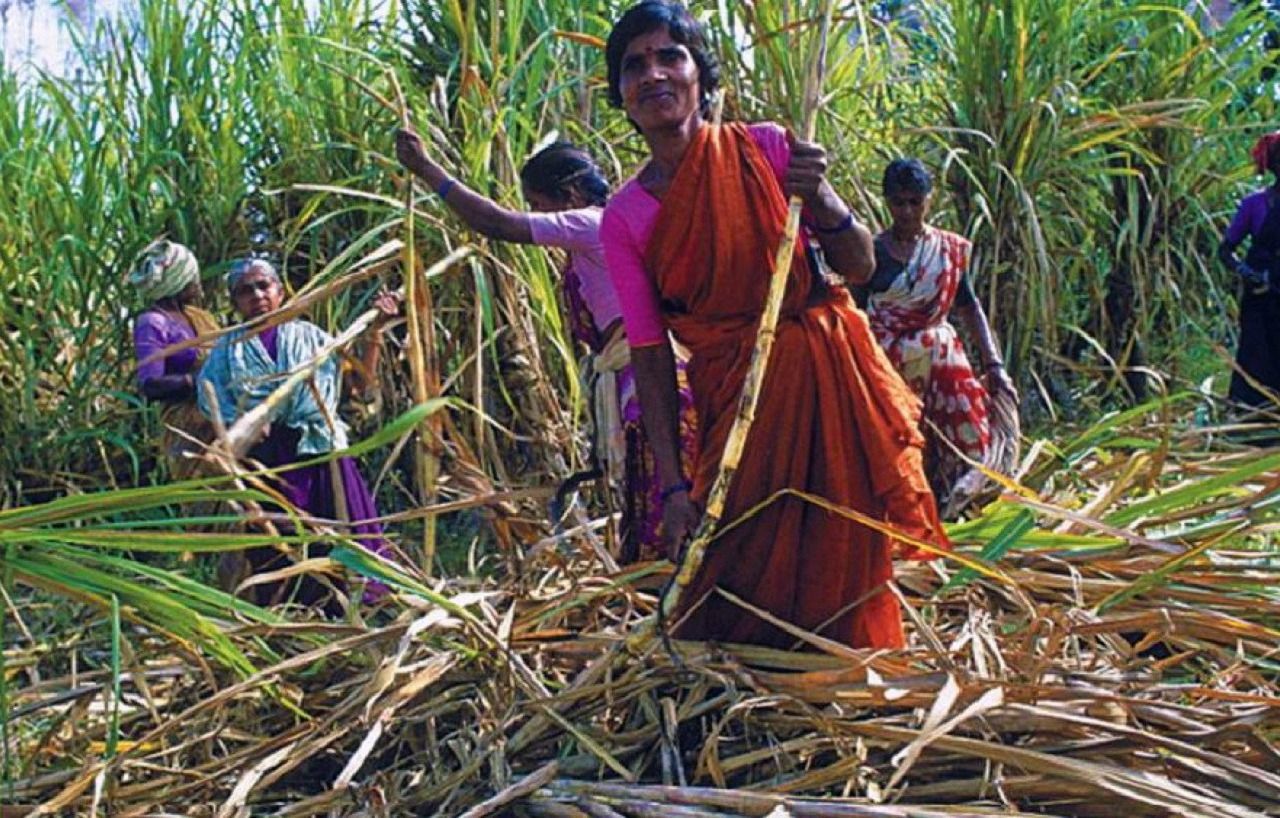
Rekha Rathod, 31, lives in a small settlement in Beed district with her husband and two children. Due to financial constraints, she and her husband migrate annually for six months for sugarcane harvesting. Rekha faces intense pain and discomfort during menstruation, a situation shared by many women in this region. Rekha recalls, "I’ve had my period since I was very young. It’s painful—my stomach, back, and legs ache, and I feel dizzy. But I was never allowed to talk about it at home. I had to sit quietly and suffer in silence. I got married at 18 and started migrating with my husband. The pain during menstruation is unbearable, but I have to go through it quietly, just like the other women."
These struggles highlight the intense impact of water scarcity, gender inequality, and the lack of basic infrastructure in Maharashtra’s drought-prone regions, where women and girls face enormous challenges in maintaining hygiene during menstruation.