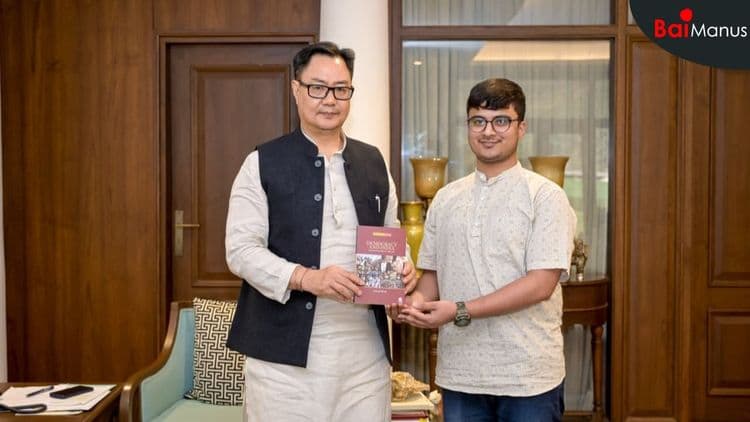
Ashraf Nehal has already taken on an ambitious task, tracing the story of Indian democracy from ancient assemblies to the present day. Selected under the PM-YUVA 2.0 scheme, his debut book challenges colonial narratives and reclaims democracy as a tradition deeply rooted in India’s own political history, written with rare clarity and youthful conviction.
National Mandate from Early Promise
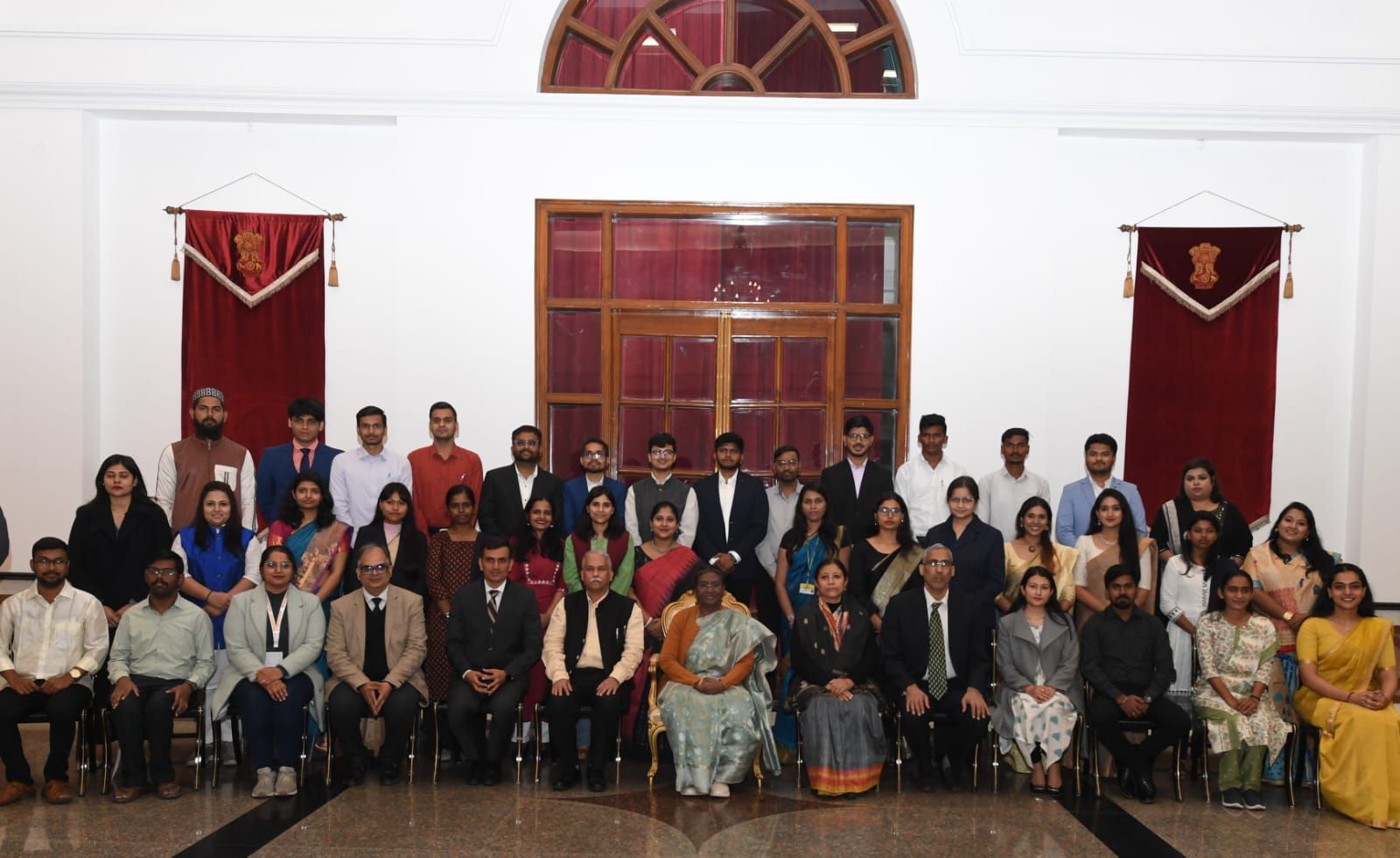
While many people in their twenties are starting out in entry-level jobs and dealing with student debt, Ashraf Nehal was given a monumental task: to write the history of Indian democracy for the National Book Trust. At just twenty-four, Nehal was chosen as one of the forty-one fellows for the Ministry of Education's PM-YUVA 2.0 scheme. His debut book is a rarity in modern Indian writing, it possesses the scholarly depth expected of a much older academic, yet is vibrant with the enthusiasm of a young generation connecting with its heritage.
Nehal's “Democracy and India: Inseparable Twins” is a rare achievement: serious history that remains genuinely readable. The book, spanning just over one hundred and fifty pages, is staggeringly ambitious, charting a course from the deliberative assemblies of the Vedic era through medieval experiments in collective governance, culminating in the peaceful transfer of power following the 2024 general elections. Crucially, the execution of this vast scope proves that Nehal was indeed warranted in his ambition.
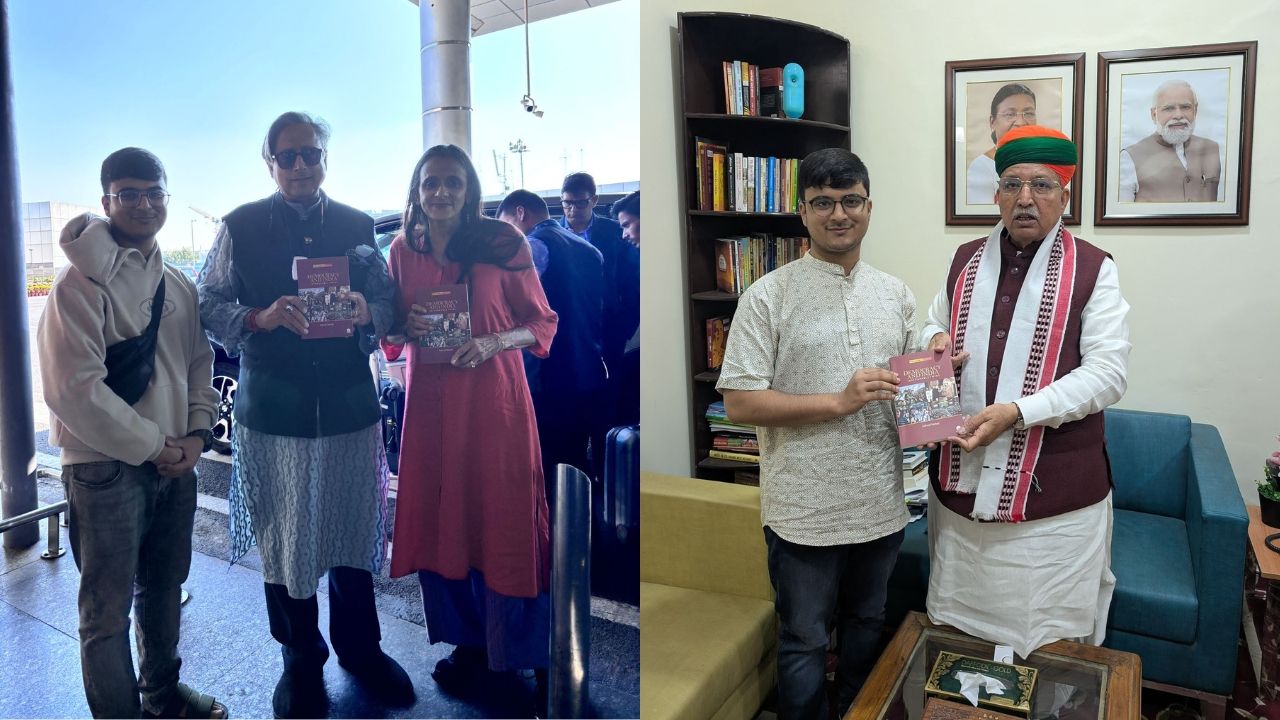 Ashraf Nehal with Member of the Lok Sabha Shashi Tharoor and Arjun Ram Meghwal.
Reframing Democracy: Challenging Colonial Perspectives
Nehal's work stands out in the vast field of Indian democracy studies because it fearlessly confronts accepted narratives. Instead of the typical view that democracy was a benevolent gift from the British, nurtured by enlightened colonizers, Nehal presents compelling evidence of indigenous democratic systems that existed thousands of years before the Westminster model. For Nehal, examples like the Mahajanapada republics, the radically egalitarian Anubhava Mantapa founded by Basavanna in the twelfth century, and the enduring village panchayats are not minor details. They form the core argument, demonstrating that democratic values are inherent to the Indian subcontinent's identity.
Nehal's writing style is marked by a confident authority, honed through his experience analyzing policy and contributing columns on South Asian politics to publications such as South Asian Voices and The Tribune. This background has equipped him to construct complex arguments effectively in demanding environments.
Under the guidance of Professor Dipankar Sinha and the editorial mentorship of Surekha Sachdeva, Nehal has cultivated a voice that fluidly incorporates scholarly references; like citing Romila Thapar and K.P. Jayaswal; without losing narrative drive. His exploration of the constitutional friction between Gandhi's concept of village-centric swaraj and Ambedkar's emphasis on individual rights brings this centuries-old debate into sharp, immediate focus, revealing it as urgent and unresolved.
Voice Timely for Democracy
The book's arrival in 2024 is especially resonant, coinciding with India's eighteenth post-independence election amid worrying global trends of democratic instability. Nehal aims to provide a crucial counterpoint, addressing the conflicting messages young Indians receive about their political heritage. He tackles the question of whether democracy is a delicate import needing constant protection or a more deeply established tradition. His argument, that democratic principles stem from an "indomitable spirit" rooted in ancient, dharma-guided governance, empowers young readers to embrace their political legacy as their own, moving beyond merely defending it against external critiques.
Nehal's work immediately earned high praise, with the National Book Trust hailing him as a "shining star" in their series—a distinction easily understood upon reading Democracy and India. Although a recent graduate of Delhi University and SOAS, he writes with a scholarly authority that rivals established academics, yet maintains an engaging accessibility that appeals equally to students and general readers. The text is compelling, from his initial, genuine meditation on the wonder of universal suffrage to the powerful, non-clichéd conviction of his closing invocation of Vajpayee's belief in the eternal necessity of democracy.
At just twenty-five, Nehal has accomplished far more than a typical promising first work. He has quickly become an essential voice in Indian literature, someone poised to continue the crucial effort of defining what democracy signifies within the world's most populous country. Considering this is his achievement right after graduation, the real question is not whether he will contribute to India's intellectual discourse, but the extent to which he will fundamentally change its landscape.
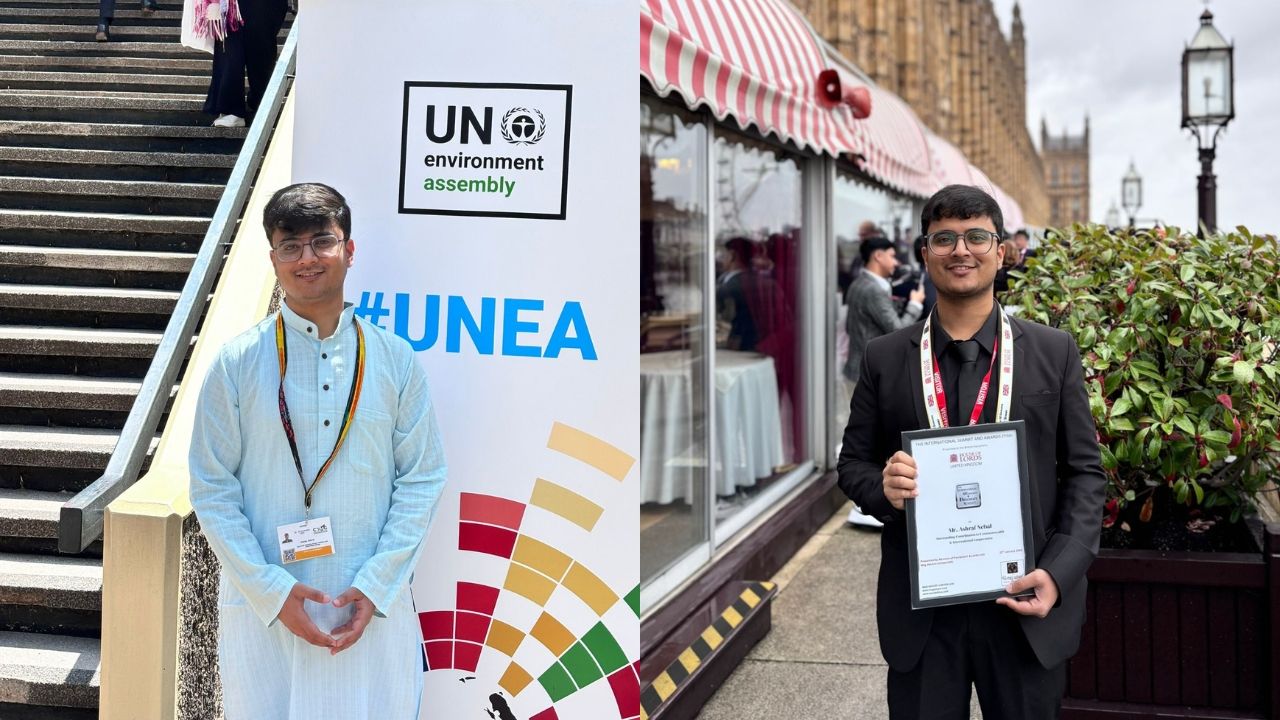
ASHRAF NEHAL
Focal Point Eco-Faith, Children and Youth Major Group to the UN Environment Programme (UNEP)
Regional Lead, Commonwealth Youth Climate Change Network (CYCN)
Email: [email protected]