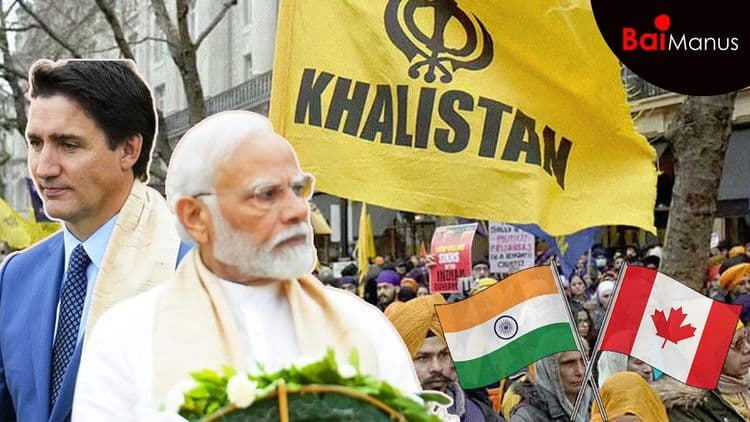
Canadian Prime Minister Justin Trudeau has accused India for being involved in the killing of a Canadian Sikh. Not just this but the Canadian Prime Minister has made allegations on India for disturbing the peace of the country.
Canada has expelled six Indian diplomats, one of which includes India's High Commissioner to Canada. Trudeau has accused Indian diplomats and charged them for participating in a large-scale criminal conspiracy to harass and threaten Sikhs in Canada.
The relations between India and Canada have gone from bad to worse. The long dispute between the two has taken centre stage once again with both sides expelling diplomats over the murder of Hardeep Singh Nijjar, a Sikh nationalist whom the Indian government has declared a terrorist in 2020.
How did it get worse?
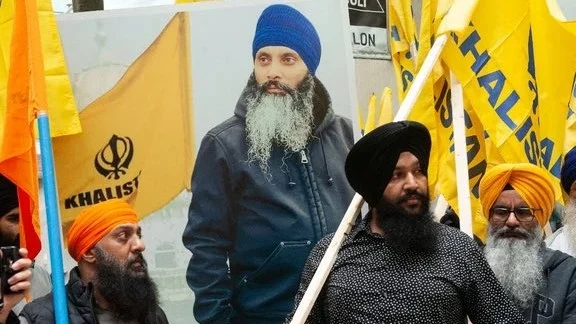
The diplomatic impasse between India and Canada has escalated significantly since September 2023, following Canadian Prime Minister Justin Trudeau’s accusations that India might have been involved in the June assassination of Hardeep Singh Nijjar, a Canadian Sikh activist and proponent of the Khalistan movement. India dismissed these claims as “absurd,” and tensions have since spiraled into a full-blown diplomatic row.
The core of this conflict lies in Canada's support of free speech, which has allowed Sikh separatist movements like the Khalistan movement to remain active on Canadian soil. India, on the other hand, views such movements as a serious security threat. This difference in perspectives has strained bilateral relations for years but was largely contained until Trudeau’s public accusation.
In an address to the Canadian Parliament in September last year, Prime Minister Justin Trudeau stated that Canadian security agencies are investigating credible claims linking Indian government operatives to the death of Canadian citizen Hardeep Singh Nijjar.

Indian analysts had pointed out at the time that Trudeau only had "credible allegations, not credible evidence."
It appears that the Canadian government is now much more certain of the accusations it made against India. "We have clear and compelling evidence that agents of the Government of India have engaged in, and continue to engage in, activities that pose a significant threat to public safety," Trudeau said in a statement on Monday. This includes using covert methods to obtain information, acting coercively against South Asian Canadians, and taking part in more than a dozen violent and threatening crimes, including murder.
In retaliation for Canada's accusations, India expelled a Canadian diplomat and demanded the reduction of Canadian diplomatic staff by 41 members. Canada, concerned about its diplomats' safety, complied, with Foreign Minister Mélanie Joly stating that stripping immunity from diplomats violates international law. Canada has also halted in-person consular services in multiple Indian cities, further reflecting the strain on ties.
This diplomatic rift has disrupted trade talks, and strategic partnerships, and heightened tensions in global diplomatic circles. Both nations are key partners for Western countries, especially in counterbalancing China's influence. Despite these tensions, neither side has shown a willingness to sever relations entirely, although the fallout continues to impact economic and political engagementa
While India and Canada’s shared interests in defense, trade, and the Indo-Pacific remain critical, the resolution of this impasse seems distant unless clear evidence emerges and diplomatic efforts to de-escalate tensions resume.