Ritesh Shisode
- Rising India-Pakistan tensions have made fishing in Gujarat’s coastal areas risky, leaving many fishermen fearful of arrests and unable to work freely.
- Reduced fishing activity has badly affected local economies, pushing fishing families into debt, unemployment, and financial hardship.
- Along with border conflicts, climate change and declining fish availability are making survival harder for Gujarat’s fisherfolk communities.
Sea has always been uncertain to the fisherfolk. Storms arrive without warning, tides change overnight, and fishing communities have learned to survive with unpredictability. But for the fisherfolk living along the Gujarat coast, uncertainty today is no longer about nature alone. It is about borders, conflict, and survival.
For the second consecutive summer, the tensions between India and Pakistan have severely disrupted fishing activity in the Arabian Sea, leaving thousands of fishing families in economic and emotional distress. In fishing villages spread across Porbandar, Okha, Jakhau, and Veraval, boats remain anchored for weeks, diesel expenses continue to rise, and families dependent on daily catches are struggling to survive.
What appears from the outside as a geopolitical conflict has become a humanitarian crisis for coastal communities.
Sea Without Security
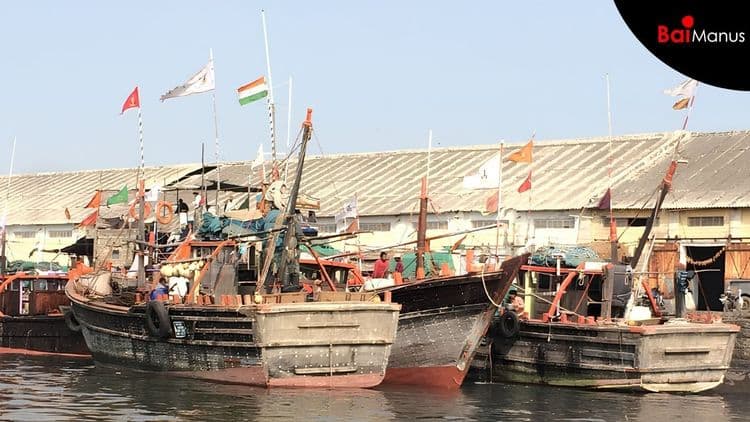
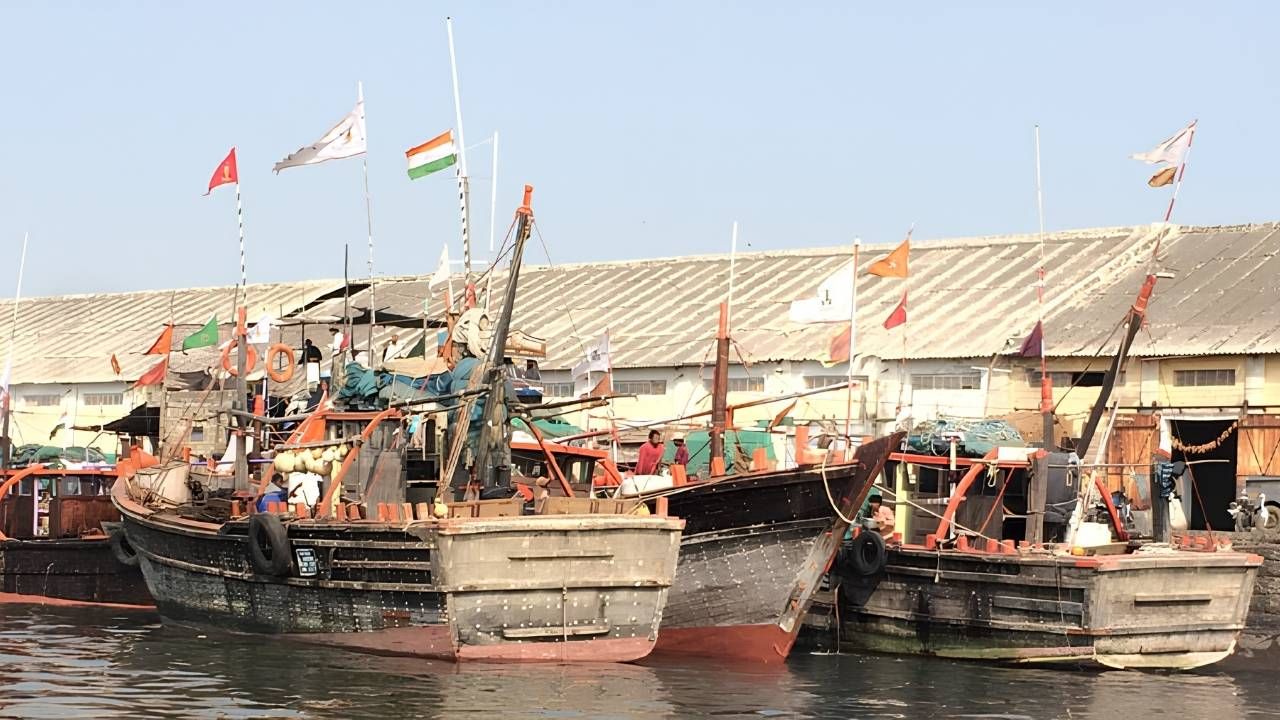
At the fishing harbour in Porbandar, rows of trawlers stand motionless under the summer heat. Usually, this season witnesses intense fishing activity before the monsoon ban arrives. Instead, this time the silence dominates the coastline. For many fishermen, fear has replaced routine.
The Arabian Sea near the International Maritime Boundary Line has always been sensitive, but after repeated military tensions and heightened security surveillance, fishermen say venturing deep into the sea has become dangerous. Several fishermen allege that naval restrictions and uncertainty around maritime movement have drastically reduced their operational areas.
A fisherman from Okha explains that the problem is not only fear of arrest but also confusion.
We don’t know where exactly we can go anymore. Earlier we understood the routes and limits through experience, but now patrols have increased, warnings have increased, and everyone is afraid of accidentally crossing the border,
Arrests That Destroy Families
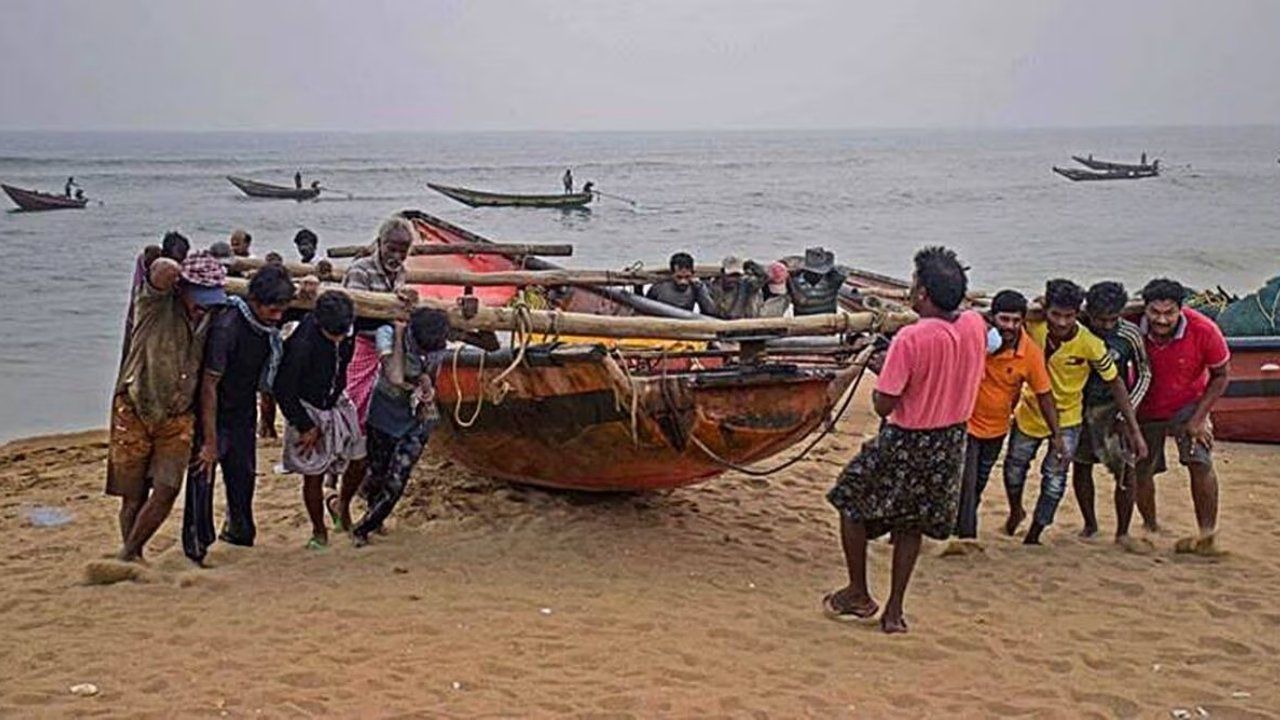
The arrest of Indian fishermen by Pakistani authorities is not new. Every year, several fishermen are detained after allegedly crossing maritime boundaries unintentionally. However, the recent tensions have intensified anxiety among coastal communities.Many fishing boats operating from Gujarat still rely on traditional navigation methods or outdated GPS systems. In rough sea conditions, invisible maritime borders become almost impossible to identify.
Families in Gujarat’s coastal villages continue to live with the trauma of missing relatives who were arrested years ago and returned only after long diplomatic negotiations. In several villages, stories of imprisonment have become painfully common. A woman in Veraval whose husband spent nearly three years in a Pakistani jail says,
People talk about war between countries, but for us, war means our family member disappearing into the sea and not knowing when he will come back.
The psychological impact of such arrests rarely enters mainstream discussions around border conflict. Yet in these villages, almost every family knows someone who has been detained.
Empty Nets, Growing Debt
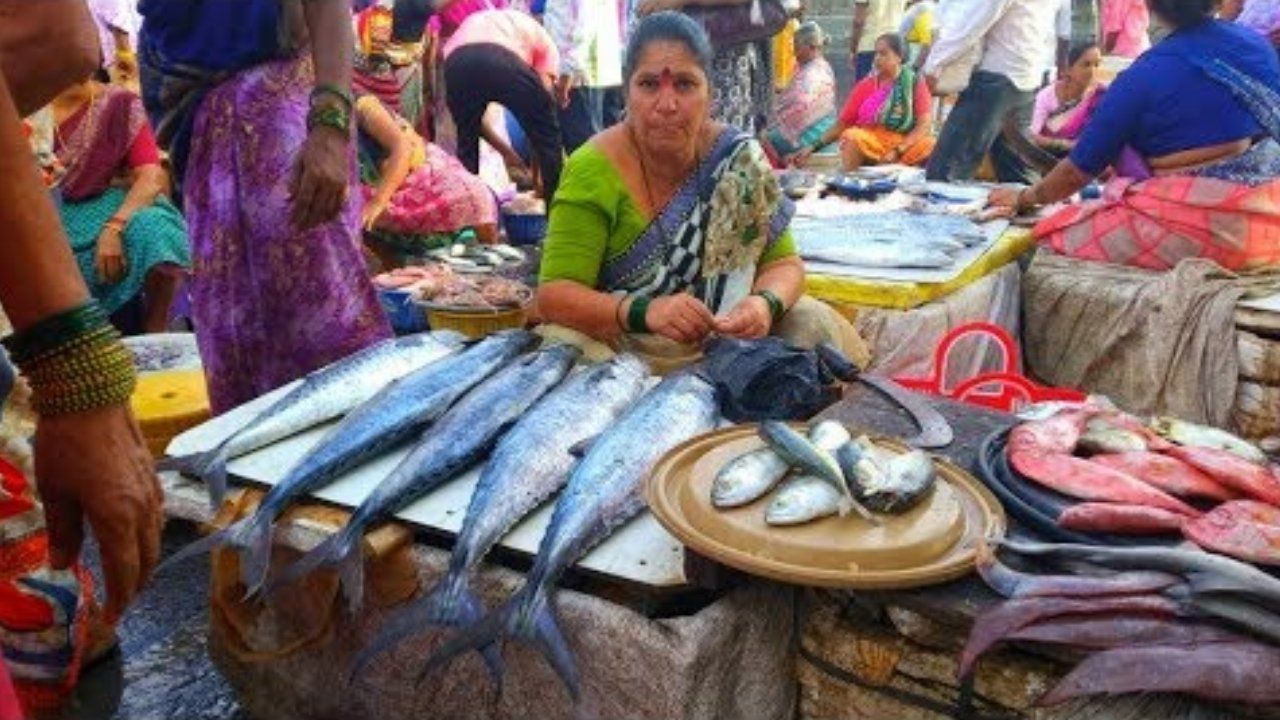
The crisis has triggered a severe economic breakdown across fishing communities. Fishing in Gujarat is not limited to those who go into the sea. Entire local economies depend on the industry. Ice factory workers, fish sorters, labourers, transporters, market vendors, and small shopkeepers all rely on daily fishing activity.
Now, with boats operating less frequently, incomes have collapsed. At the harbour in Jakhau, several fishermen say they are unable to recover even basic operational costs. Rising Diesel prices continue to burden fishermen heavily. A single fishing trip can require thousands of litres of fuel, and without certainty of a profitable catch, many boat owners are unwilling to risk departure. One boat owner says,
If we go to sea and return with a small catch, we face losses. If we go too close to the border, we risk arrest. Either way, we are trapped.
The financial strain has forced many families into debt. Local moneylenders and informal credit systems have become survival mechanisms in several villages. Fishermen borrow money to maintain boats, pay workers, repair nets, and support their households during periods without fishing. But repayment has become increasingly difficult.
The Human Cost Behind Headlines
National conversations around India-Pakistan tensions are often dominated by military strategy, diplomacy, and political rhetoric. Along Gujarat’s coast, however, the crisis is deeply personal.
Children are dropping out of private schools because families cannot pay fees. Women are taking up additional labour work to support households. Young men are migrating temporarily to cities in search of daily wage employment. In some villages, social workers report increasing mental stress among fishermen who remain unemployed for long periods. A local activist working with fishing communities says,
People only notice fishermen when they are arrested. Nobody talks about what happens to the family left behind or how entire villages suffer economically.
The uncertainty is especially painful because fishing is not simply an occupation here. It is identity, tradition, and inheritance. Generations have depended on the Arabian Sea. Fathers teach sons navigation techniques, net repair, and fishing patterns from childhood. Today, many fishermen fear that younger generations may abandon the profession entirely.
Climate Change Adds Another Layer
Even without geopolitical conflict, Gujarat’s fishing communities were already battling climate-related challenges. Changing sea temperatures, irregular fish migration patterns, cyclones, and coastal erosion have affected catches over the past decade. Fishermen say they now travel farther into the sea compared to previous years.
This increasing dependence on deeper waters indirectly raises the risk of approaching disputed maritime zones. Environmental experts argue that climate change and geopolitical tensions together are creating a dangerous situation for fishing communities. Declining fish availability near coastal areas forces fishermen to move toward high-risk zones, where chances of detention increase. A marine researcher familiar with Gujarat’s coastal economy says,
Climate stress and border tensions are intersecting. Fishermen are facing pressure from both nature and politics simultaneously.
Government Support Still Limited
Fishing communities and local organisations have repeatedly demanded stronger institutional support. Among the key demands are:
- Better navigation technology for small fishermen.
- Faster diplomatic processes for the release of arrested fishermen.
- Financial compensation during conflict-related fishing disruptions.
- Insurance and social security schemes.
- Alternative employment support during fishing bans and crisis periods.
However, many fishermen feel support systems remain inadequate.
Several fishermen claim compensation packages often fail to reach smaller workers who are not registered boat owners. Daily wage labourers working on fishing vessels are among the worst affected. In Veraval, a labourer who loads fish containers at the harbour says,
When boats stop, our income stops immediately. We do not have savings. We survive day to day.
Experts also point out that fishing communities are rarely included in larger discussions around border policy and maritime security, despite being among the most directly impacted populations.
Between Two Nations and One Sea
For fishermen living near the India-Pakistan maritime boundary, the sea represents both livelihood and fear. The border itself is invisible. Unlike land boundaries marked with fences and checkpoints, the sea offers no physical warning signs. A fisherman chasing a school of fish may unknowingly drift into disputed territory within hours.
This reality has transformed ordinary fishing trips into high-risk journeys. Even during periods without active military escalation, fishermen often describe the Arabian Sea as a space of anxiety. An elderly fisherman from Porbandar says,
The sea feeds us, but now every trip feels like a gamble.
A Crisis That Remains Unseen
The suffering of Gujarat’s fisherfolk rarely receives sustained national attention. Unlike sudden disasters that dominate headlines for days, this crisis is slow and repetitive. Every summer of conflict brings similar fears, economic losses, and emotional trauma. But for coastal communities, these are not temporary disruptions. They are recurring cycles shaping the future of entire generations.
The fishing villages of Gujarat stand at the intersection of geopolitics, climate change, and economic vulnerability. Their crisis reflects how global and national conflicts often hit the poorest and most dependent communities hardest. While diplomatic tensions continue between India and Pakistan, thousands of fishing families remain suspended in uncertainty, waiting for safer seas, stable incomes, and recognition of their struggles.
Because, the story of Gujarat’s fisherfolk is not just about borders. It is about people whose lives are tied to a sea that no longer feels free.