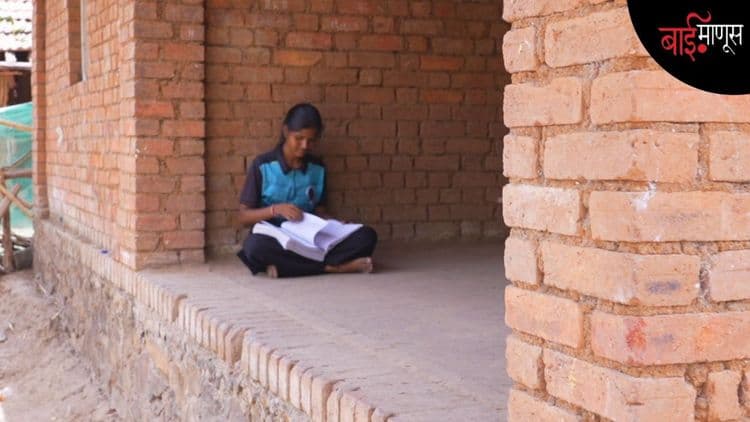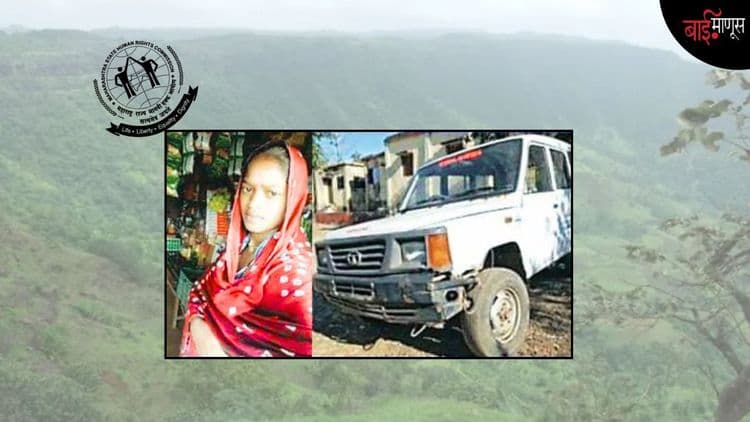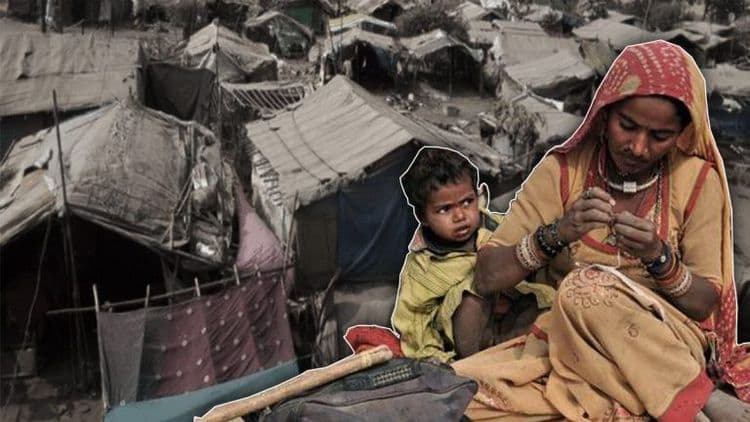
All over the country, including Maharashtra, nomadic tribes are wandering to satisfy their hunger for two meals a day. Wandering in search of bread, helpless, Agatika lives a life of humiliation. These tribes are not included in the hierarchy of the caste system and caste system in the Indian social system. Therefore, these tribes have remained avaran. As these tribes were not included in the village cart production system, these tribes could not acquire any skills in the production process. Therefore, for thousands of years, these nomadic tribes have been surviving on the mercy of a stable society, on the alms received from them. As these tribes did not have a place in the structure of the village, these tribes did not settle anywhere. These tribes subsisted on the handful of grain they received in return, meeting the immediate needs of the village cart.
These immediate needs are to satisfy the entertainment needs of a stable society. For example, the Dombari and Gopal tribes used to play sports. Bears, Monkeys, Snakes, Bears, Monkeys, Snakes were playing. He lived on the alms he received in exchange for this entertainment. A tribe like Vaidu met their medical needs by providing herbal medicines, tubers and living on alms in return. Tribes like Kudmude Joshi, Nandiwale, Popatwale Joshi lived by fortune-telling. In the name of Ambabai, the tribes of Ganadhi and Aaradhi were fulfilling the spiritual need of a stable society by creating chaos and awakening. They lived on the alms they received in return. Tribes like Gadilohar and Ghisadi lived by making agricultural tools.
These needs fulfilled by these tribes were not the permanent needs of a stable society, a village. During certain periods, when there was no work in agriculture, such needs were felt by the stable society in the villages during the festivals. In other days, these tribes had no work, so it was not possible for these tribes to settle in one place and earn their living. So these tribes continued to wander from one place to another. These tribes have no village of their own as they live by begging for alms, relying on their traditional skills, arousing the compassion of a stable society. No own house.
The land is not ours. Despite living in this country, people from these tribes are not registered as citizens of this country. As a result, they are not counted as voters. Twelve to fourteen crore people of these various tribes are still hundreds of miles away from the schemes implemented by the government for the marginalized, deprived and marginalized sections of society in the country. In this regard, the Renke Commission established by the Central Government under the managership of Balkrishna Renke has submitted a detailed report.
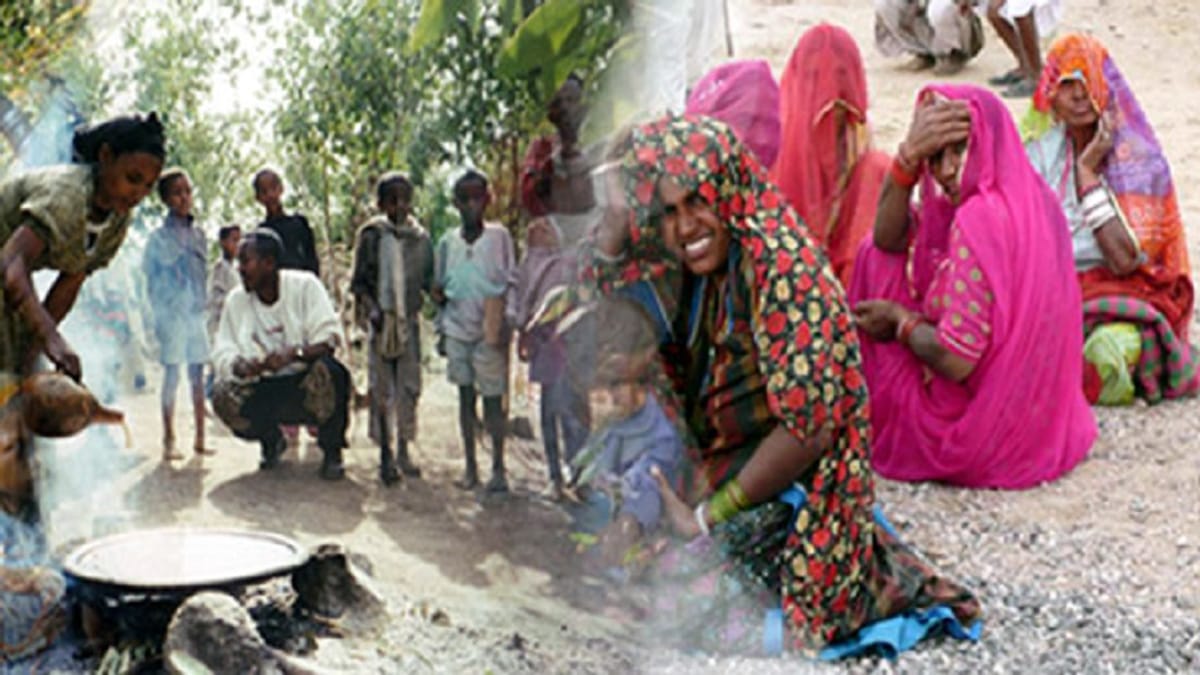
As these nomadic tribes have no stability, they have no education, no self-awareness in them. We are not aware that we are human. On the contrary, they have a strong mentality that we are beggars and criminals. Primitive, barbaric, embracing traditions, these tribes live like animals. Education has brought awareness in Dalit society. Dalit castes are struggling for their identity. Speaking the language of rebellion against the established system, Dr. Babasaheb Ambedkar's thoughts and work awakened self-respect in the Dalit tribe. There were agitations for identity, social equality. It gave opportunities to students from Dalit castes for jobs and politics. The nomadic tribes, however, still live the barbaric, hellish life of a medieval gang culture.
The influence of caste panchayat is widely seen in each of the nomadic tribes and their sub-castes. The entire affairs of these tribes are controlled through this Jat Panchayat. All affairs from birth to death are kept under the control of the Jat Panchayat. This caste panchayat plays an important role in maintaining the independent and separate existence of our tribe. People from nomadic tribes are terrorized by this caste panchayat. This caste panchayat punishes harshly and harshly so that hybrids do not happen in the tribe, and that no one breaks the laws of the tribe. People of this tribe do not break the rules of the caste panchayat due to the fear of such terrible punishment. So every tribe has become confined and has become engrossed in its kosha.
The primitive traditions of these nomadic tribes are preserved even today in the form of relics. Most of the tribes wander from village to village in bands of relatives. He is the head of the gang of pals. These tribes live outside the village in valleys, mountains and forests. These traditions that describe the relationship with primitiveness are seen to be cultivated by these tribes even today. The independent caste panchayat of each of these tribes is a striking symbol of primitive tradition.


The problems of women in these tribes are very disturbing and frightening. These tribes and especially the women of these tribes are stuck in a vicious cycle of customs and traditions that blacken humanity. The men of these tribes have the mentality that has been created by the patriarchal system of this country, so the women of these tribes have become victims of the medieval patriarchy. Apart from that, these women are also victims of ignorance, superstitions, customs, traditional mentality. Therefore, women in these tribes are being exploited at a double-triple level. But the women of this tribe have not yet realized that they are being exploited, they are being treated unfairly, and their humanity is being tarnished. True life is given to us by our fate, we should live it freely and enjoy it. The mentality of these women has been solidified by such thoughts.
Among the nomadic tribes, each tribe has a separate 'Jat Panchayat'. This caste panchayat is for men only. The 'extract' of the male-dominated system is the caste panchayat. All the rules and laws of the caste panchayat are inhumane to women to the point of doubting whether they are meant for women only. All punishments for chastity belong to women and these punishments are horrible, inhuman. Full precautions are taken so that one does not dare to break the rules of the tribe. E.g. For purification of character, drawing money from boiling oil, walking on pyres, cutting off hair, nose and even breasts and many more.
In these tribes, not only is her character maintained during life, but even after her death, her character is tested. E.g. Among the Ghisadi tribe, on the third day after the death of a woman, if no bangles or ornaments are found in the ashes, then the ashes of the woman are spitted on, believing that she was a bad person. The ashes are kicked, and the family is thrown into the sand. So, women in these tribes have to protect themselves very strictly.
If there is any stain on us, we will tarnish the name of our parents, they will be thrown out of caste. These women have to live with the fear of this forever. In the Pardhi tribe, to prove her innocence, the caste panchayat asks a woman to collect dried dung (dow) in a basket. The dung is piled up and set on fire. An iron guard was thrown into that burning trap. The watch is heated until red-hot. The hot guard is asked to show the woman about whom the allegations are made. The caste panchayat decides that she is guilty if she refuses to walk through the hot guard or gets burnt after walking.
That is, it is arranged that no matter what action she does, she will be guilty. Or they are told to bring two kilos of sweet oil. The oil is put in a pan and boiled in front of the caste panchayat and a coin of one or two rupees is put in it. The accused woman is asked to remove the coin from coins such boiling oil. She is innocent only if she shows the coin without any injury to her hand. Such inhumane, unscientific practices continue even today.
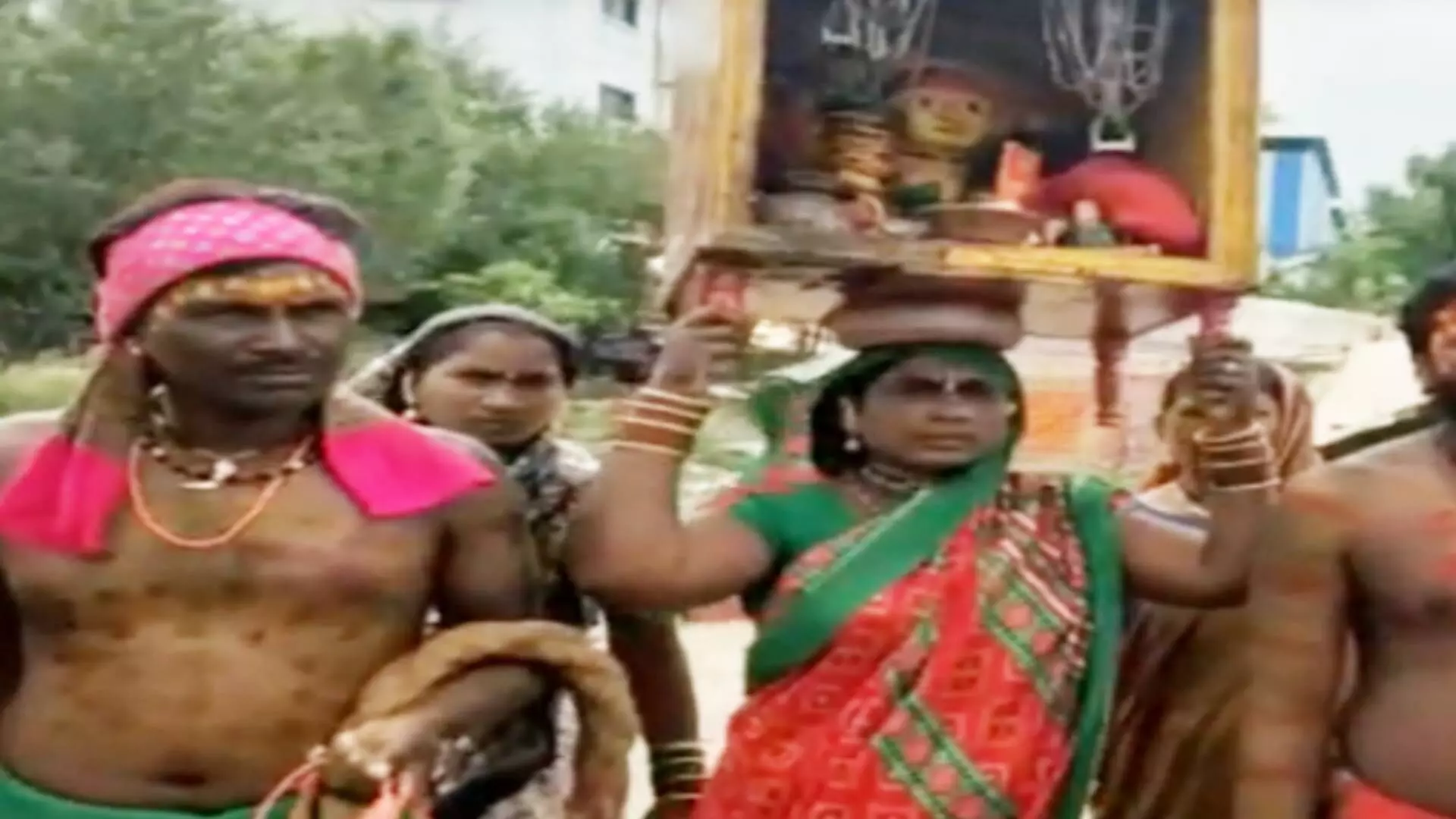
Therefore, it is not possible for women in nomadic tribes to survive. The caste panchayat, which maintains a male-dominated culture, has created laws and regulations to maintain male dominance and enslave women. According to the rules of Jat Panchayat, there is a custom in some tribes to pledge a woman as a commodity. The Jat Panchayat has taken care that even the faintest idea that we are 'humans', we have the right to live like humans, should not touch her mind.
Due to this inhumane, unscientific law of caste panchayat in the nomadic tribe, the lives of various young girls and women can be seen to have suffered a terrible fate. If something good or bad happens to such young women or women while wandering to collect firewood, begging or going door-to-door to sell some goods, it becomes impossible for these young women and women to go back to the villages. They have to move away from their clans. One has to seek support in the city or large villages and wander like a directionless wind. On occasion, body sales also have to be done. The rules laid down by the male-dominated caste panchayat are mainly responsible for all this.
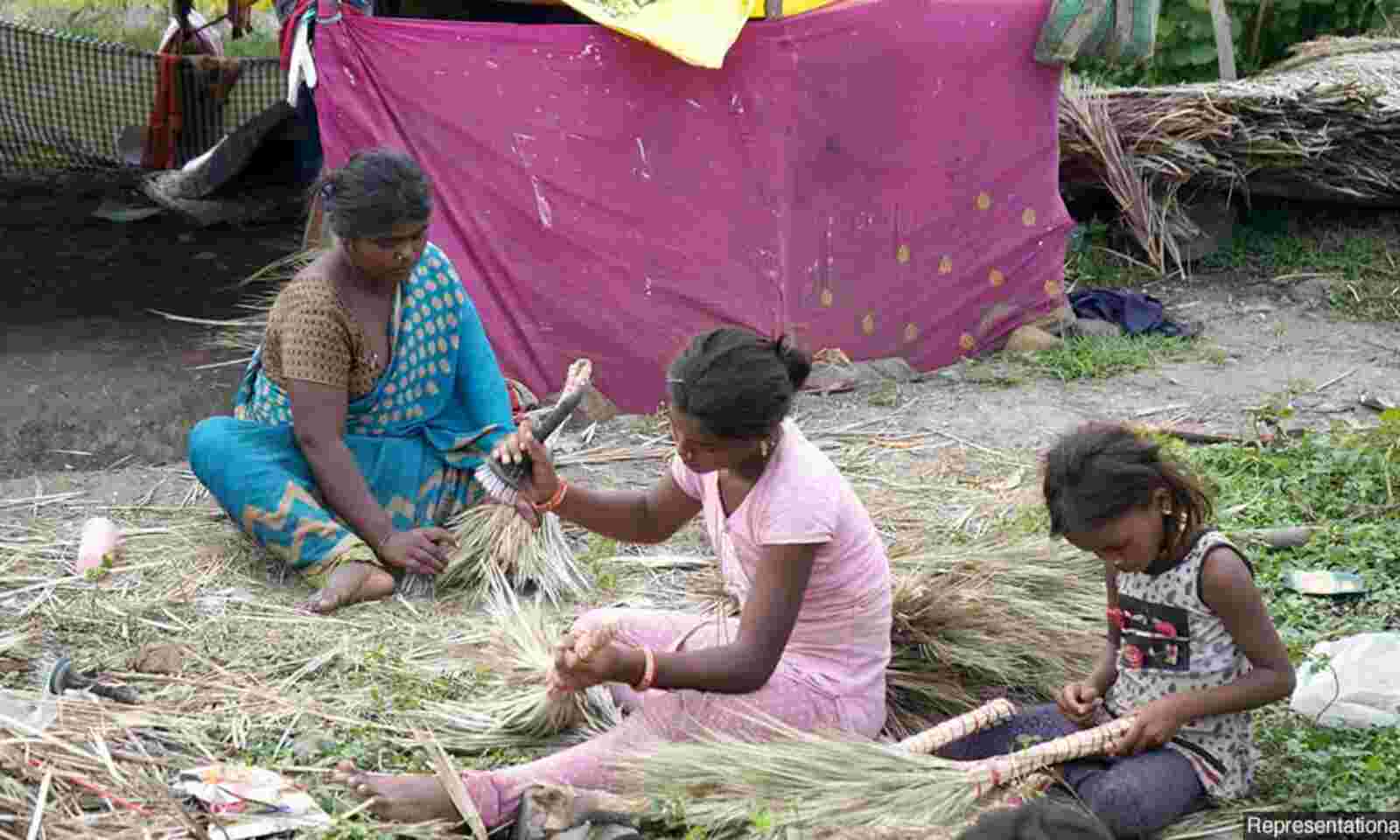
Women of all tribes in nomadic tribes have this type of childbirth. When the women of some tribes give birth, they have to run with the child in their arms. Another village has to run night and day. Such a miserable life is constantly coming to the lot of these women. Childbirth is a creation of nature. So women are glorified in a stable society. She is located in Makhara. She had a sense of humor. At the same time, a woman in a nomadic tribe has to face numerous difficulties. This paradox is the contempt for women in these tribes.
Moreover, the practice of marrying with bashing is in many tribes. If a girl's 'husband' dies in childhood, she should not remarry because it is not acceptable in her tribe, the caste panchayat has imposed restrictions. The main reason is that the women of that tribe should not leave their tribe and sub-caste and marry men from other tribes and sub-castes. It will cause interbreeding and the existence of our tribe will end. As a result, the very existence of caste panchayats will be threatened. That is why the caste panchayats have made such inhuman rules. As a result, the girl spent her childhood and youth as a widow. I want to destroy my life. In some tribes, men are also banned from cutting their hair.
In most of the nomadic tribes, when a 'girl' is born, the family feels like a disaster. The situation of these tribes is similar. They are in constant fear of what will happen in their vulnerable open life until the girl grows up and comes of age. There is a fear that if something wrong happens to the girl, the caste panchayat will be thrown into the trap. Therefore, these tribes have a perception that 'girl' means a noose around the neck. On the other hand, among the Dombari and Kolhati tribes, the birth of a girl's child is a celebration of that family. This festivity is not about the glory of womanhood, but the girl will be dancing and playing games tomorrow to support her family. When you reach the age, you can ask for a lot of money from the husband for marriage. Hence, this festival is celebrated. The more beautiful the girl, the more she is worth. The girl is looked upon as a commodity. This is contempt for women. It is a joke. But the pains and sufferings of these women who are living in the closed and steel frame of various tribes are being suppressed. Their mental crisis continues.
The structure of the traditional village cart has completely changed today. The occupations of these tribes based on traditional art skills are obsolete. Due to this, it has become impossible for these tribes to live in villages. As a result, these various tribes have started coming to the cities in the last few years. From the slums, pitching their tents near the railway station. Different ways are being sought for livelihood. But no education. Modern epistemological skills have not been acquired. As a result, it is becoming difficult for these tribes to survive in the urban culture. People from these tribes have to do jobs like working in shops selling country liquor, working in hotels, collecting waste-plastics. As there is no work anywhere, the women of these tribes have to go around begging in crowded places like railway stations, bus stations, with small children tied to their backs with opium.