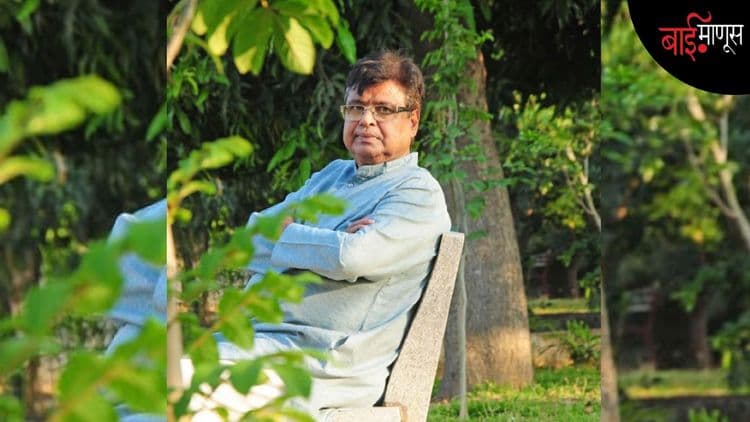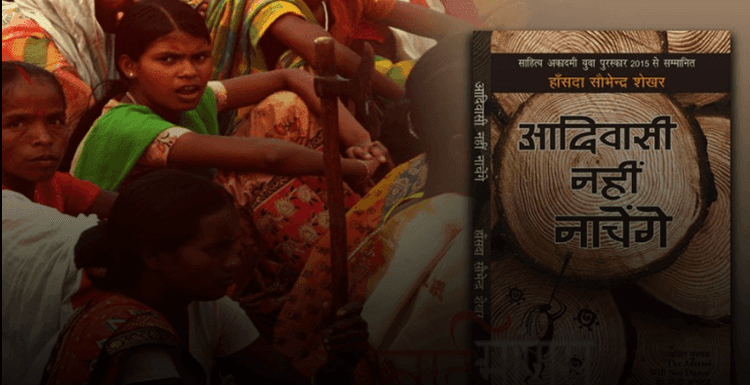
Laughter Saubhendra Shekhar. Many books by this tribal writer, who works as a medical officer in the health service of Jharkhand and who received the youth award of Sahitya Akademi, are famous. One of them is' Adivasi Nahi Nachenge ', which is currently popular. The last story in this collection is of the same title. Its hero, Mangal Murmu, belongs to the Santhal tribe. Passer-by dancing to tribal folk songs. This is also the identity of the Sarkardarbari. An entrepreneur in his area started planning to acquire agricultural land with the help of the government for a power generation plant. In this, many tribes become landless in an instant. There is great discontent in the area. Naturally, it is not noticed. The date of Bhūmi Poojan of the power station is announced after the land has been seized on the basis of law. The President himself used to come as his guest. In this event, the protagonist gets a government invitation to perform a tribal dance. Swallowing all the anger in his heart, he says yes. On the day of the event, he and his colleagues go on stage in traditional attire.
Shakes hands with the President. A new dawn dawned in the lives of tribals due to the power station. As soon as it is announced that the happy tribals will now perform a dance, Mangal takes control of the microphone and very fearlessly starts telling the story of the injustice being done to the tribe in the name of development. 'How can this project that makes us homeless and landless be a source of prosperity for us? How can we sing and dance with joy in such a situation?' This story ends with this sentence. This reveals the exact state of mind of the tribals who have suffered the most displacement in the name of development. This story is from 2016. An example of this is now. He is also from Gadchiroli.
Two months ago, a public hearing was held amid heavy police presence for the Surajgad mine expansion project in the district. Such a hearing is a platform where everyone has the right to voice their opinion. But the rulers did not allow the opposing tribals to participate in the proposal to pretend that no one had any objection to it. Preventive action was taken against many. Realizing that there is a lot of anger in the tribe, now a tribal festival is being organized in Gadchiroli. The government sentiment behind this action is to forget the pain of displacement and forest destruction.
Exactly like the above story published six years ago. This shows that irrespective of the state, whichever party the government belongs to, the rulers think the same about tribals. Now for the third occasion. A tribal festival was organized in Chhattisgarh last November. This annual event is grand and grand. Had it been there, tribals from all over would come at government expense, dance, 'taste' government banquets and leaders' speeches and return to their villages with the feeling that the government stands behind them. This is happening everywhere in the country. How can Chhattisgarh be an exception? This year, the tribals of this state refused to dance in this festival. Its news was spread everywhere, and the government was greatly affected.

Today there is a need for rejection of the same method by tribals who rise up when injustice has reached its limits. Dancing to folk songs is a common thread among tribals scattered across different tribes. This act is known as a reflection of their culture. Whether it is to celebrate happiness or forget sorrow, dance is an integral part of everyone's life. The various governments of the country have cleverly used this tradition to pacify the tribes. These people, who are mainly uneducated and uneducated, had a convenient idea that once they danced, everyone would forget, and actions were taken accordingly. Now, in the nectar jubilee years of independence, this sham of governments started to be noticed by this tribe.
This is a good sign! Instilling in them the feeling that dancing alone will not solve their problems is a sign of awakening! The tribal population in the country is 8.61 percent. In the post-independence period, the governments prioritized solving the problems of many castes, which numbered one and two percent. The tribal remained neglected. The number of MPs from this tribe is 47. There are also many MLAs. So far, hundreds of representatives have been elected from these reserved seats, but with a few exceptions, no one seems to insist on the progress of this tribe. Therefore, questions continued around the tribals living in the forest.
Like bee flies, when governments have taken up these issues, toyed with solving them and then ignored them. As a result, the bee in question stuck to the hive forever. Even the protection provided by the Constitution, the advisory councils created by it in the states, have not dealt with cases of injustice against this tribe firmly. He spent time discussing only the issue of development. The result was that the funds reserved for these tribes were grossly misused during those 75 years. Even the auditors turned their backs on it so that no one would know it. The only exception is a 2015 report by the CAG. In that, the funds provided by the tribal department for the development of this tribe are not spent properly. A clear opinion was expressed that the system to monitor it was not created in this account. If we consider the country, the last report is from this account. Due to this, this tribe suffered due to the leakage of funds and the increasing government appetite for displacement.