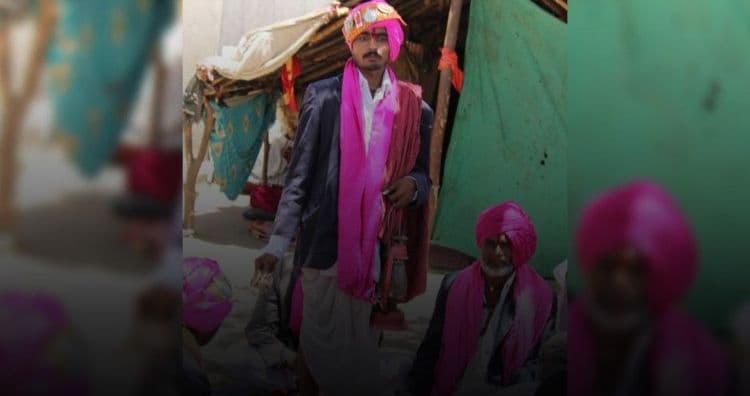
Dhapki Selu, Dist. The village of Wardha is important in many ways. By the way, this village is small. Although it is a hundred years old, the people of this particular community were beggars and wanderers from that ancient time. The village canal has divided the village into two parts. On one side of Kyana live the nomadic people of the same tribe, who are more numerous, and on the other side, the non-nomadic settled people live. This village has 272 families and a 1395 population. 692 males there are 703 females. While the average sex ratio of Maharashtra is 929, the sex ratio of this village is 1016. The literacy ratio is 58.24 out of which 70.9 male and 46.78 female literacy. Out of 764 workers, 506 are main workers and 258 are migrant workers. The reason for saying this is that the entire village is inhabited by the people of the Bharadi tribe, who belong to the nomadic category.
The last form of helplessness in life is begging. This helplessness comes from the poverty of an economic-social system. The people of the Udasi sect generally live on alms. Kudmudya Joshi, a beggar, spends the whole year telling fortunes and begging from village to village. Kurmudas are beggars who used to beg for alms early in the morning and used to take alms from the hands of women. Bairagi is one of the communities who beg for alms with ashes in their mouths and kamandaloos in their hands. Bharadi Bhutias are devotees of the goddess who travel from village to collect alms.
Tigers and Murles are the devotees of Khandoba of Jejuri who go from village to village singing songs of Khandoba and asking for alms. Vasudev is a beggar who wakes people up from their sleep by singing early in the morning. Such beggarly life is adopted due to lack of material means of survival, a comes from rejection of skills, and comes from mistrust of a social group. In such a situation, examples of a nomadic-dispersed community readily paying tribute to this helplessness are to be found in exceptional cases. Malnutrition, unsanitary conditions, ignorance, superstition, extreme hardship, lack of drinking water, lack of sewage system, lack of sanitation facilities, etc., are prone to various diseases in such camps and unstable settlements.
There will be many villages inhabited by tribes belonging to the nomadic Bharadi category. Similarly, this Bharadi tribe has ten sub-tribes, such as Bal Santoshi, Kingriwale, Nathbaba, Nath Jogi, Garapgari, Nathpanthi, Davari, Gosavi, Nath, Jogi, Nathpanthi, Davari. Actually, these are ten separate tribes with different characteristics. The caste of people in this village has been classified as Bharadi or Nath Jogi. This tribe, as the name suggests, are nomads and beggars. This congregation wanders in different states as much as possible and begs for alms by whatever means they can. The Bharadi people of this village used to live a life of begging by looking at their faces, begging by telling horoscopes, begging on idols of gods and goddesses, begging in the name of collecting funds for the construction of gods and temples, begging for mercy.

But in the last twenty-thirty years, these Bharadi Nath Jogi people started doing other hard work or manual labor instead of alms. Perhaps Ambedkar's formula 'One cannot claim ownership of a new means of production without abandoning the traditional means of subsistence' was convinced by the village of Dhapki. The struggle of this village to meet the basic needs of food, clothing, shelter, education, employment is commendable. Therefore, today seventy to eighty percent of people in this village are now working in the form of work such as stove repair, umbrella repair, gas repair, going to the city as laborer, rickshaw driver, sewing machine, stationery shop, flour mill, truck driver, farm laborer, buffalo rearing without begging. Gathering means of livelihood. This business principle is very important in this tribe. It is important to understand it positively.
It took all these years for this community to settle down, but they did not give up their heka and kicked the life of begging. All this did not happen easily. They had to fight for it. This brought stability to the life of this Bharadi. In the regular Gram Panchayat elections, Panchayat Samiti elections, Zilla Parishad elections, Vidhan Sabha-Lok Sabha elections, some people looked at this as a ballot box and promises were made by some politicians, some of which were followed and some were not followed. But this started the stabilization of this tribe.
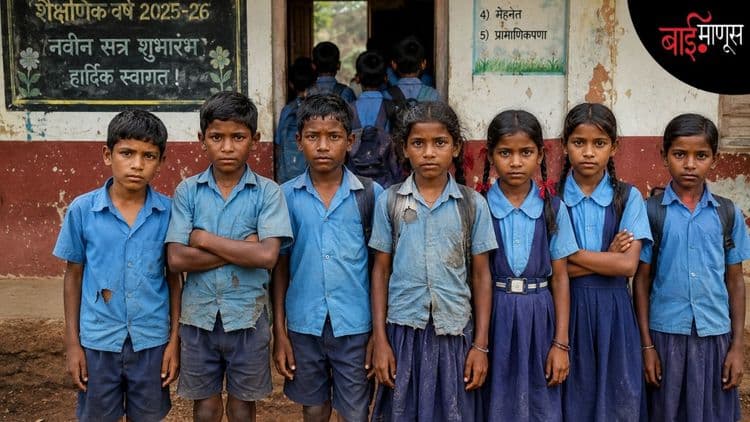
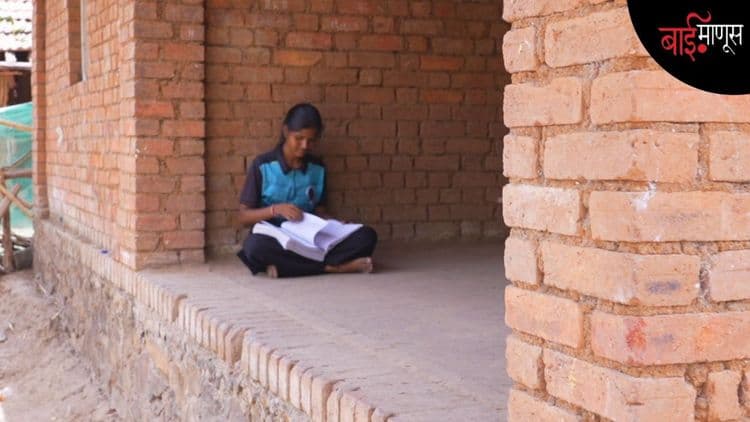
This tribe started farming by buying the farm from the income earned by doing small and large cottage industries. Water facilities were provided by making a well or tube well on the acquired land. Bor and Upper Wardha are nearby. He also used the water from that dam. Today, the tribe has acquired more than four hundred acres of land. Crops such as cotton, soybeans, wheat, grams, and sugarcane were grown in it. So boys and girls started going to school. Started earning a name in school. I joined the Industrial Training Institute and started taking vocational training. After taking a typing class and becoming a clerk, they are making a means of livelihood based on that. These children later started doing small businesses. She started becoming a professional by taking loans with easy installments through the Cooperative Bank. Some became rickshaw owners.
Some people took advantage of the Gharkul Yojana of the government and built their Gharkuls and sheltered them permanently. Now these toiling boys and girls, families never go begging and, try to prevent the few who do beg from this steady-educated-hard-working tribe. Dhapki village forced those beggars to adopt self-reliance. We need to empower them. Therefore, this complete village could come forward as an ideal model for the Bharadi tribe. The caste panchayat of this tribe in this village does not seem to be working in a patriarchal manner. The types of caste panchayat like Khan-Man-Vlaswashin-Divya do not work here. The caste panchayat remains only in name. In case of any mishaps, this type of mistake is reported to the police.
No one bothered them while banning alms, no one got employment easily, no one could learn trade easily, no one stopped them while buying land, no one protested while laying pipelines and bringing water, the bank did not cycle easily. Marta didn't even give a loan, his installments didn't even come to India on time, the shop-business didn't work well, he didn't even get the sarpanch post in the village easily, he had to struggle and Dhapki himself had to adopt self-help! However, it is true that their so-called dynamism has been stopped altogether!