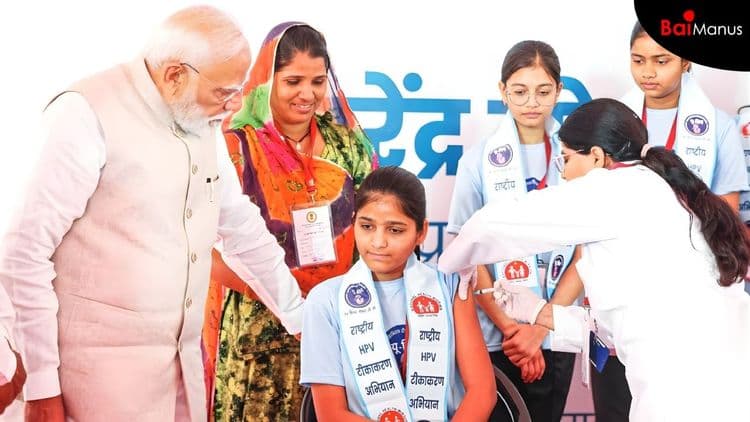
Ritesh Shisode
In 2009, the Seattle-based organization PATH launched what it described as an “observational demonstration project” to study the feasibility of HPV vaccination in India. The project was conducted in partnership with the Indian Council of Medical Research and the state governments of Andhra Pradesh and Gujarat, involving nearly 24,000 adolescent girls, many of them from tribal and economically marginalized communities.
The initiative was funded by the Bill & Melinda Gates Foundation and aimed to assess how HPV vaccines could be integrated into India’s public health programmes. However, the project came under intense scrutiny after reports emerged that seven participating girls had died during the trial period, prompting protests from women’s health groups and human rights organisations. By April 2010, the Government of India suspended the programme and ordered an investigation.
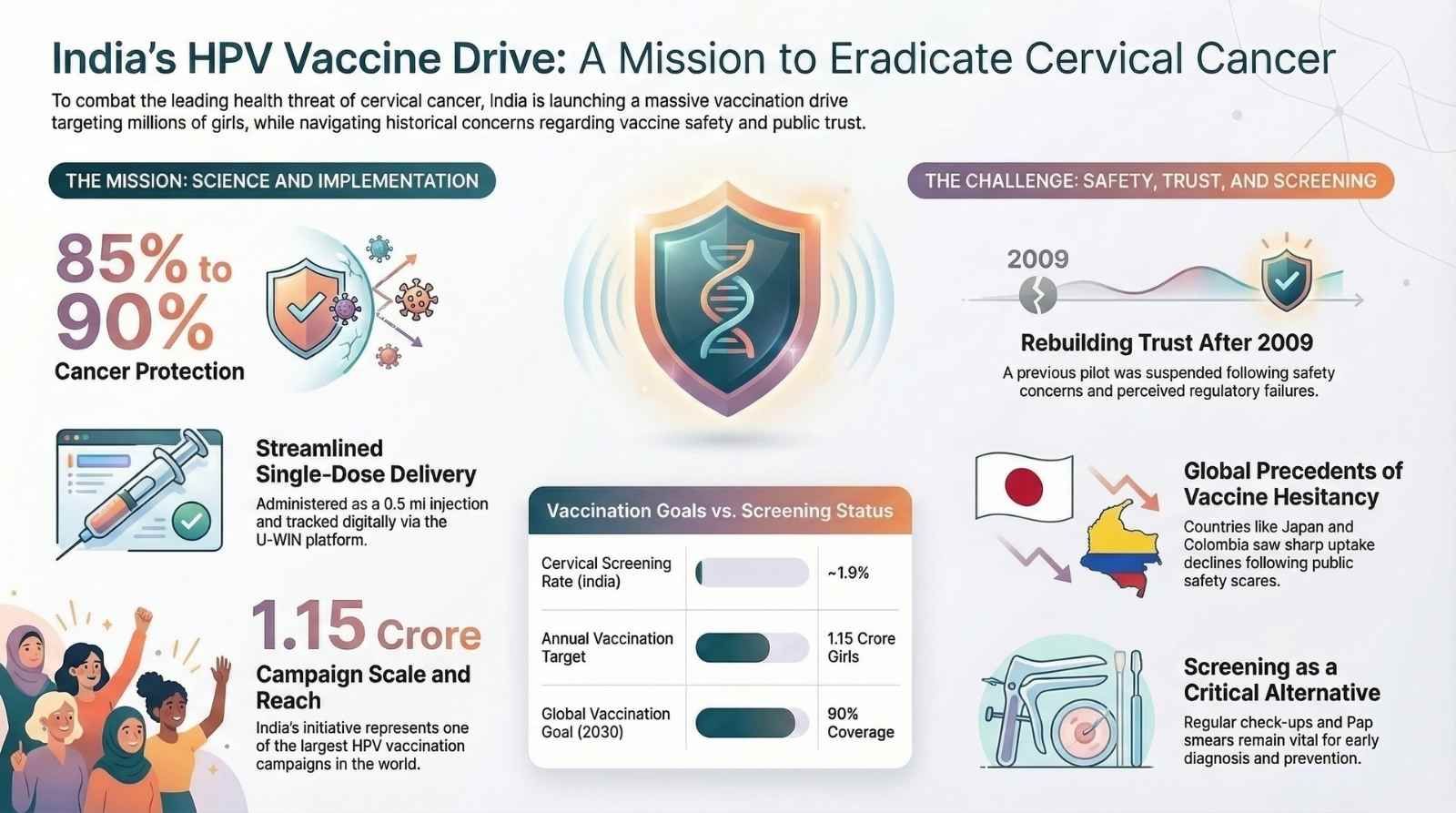
Women's health groups and human rights organizations protested at the time. By April 2010, the Indian government had suspended the program and ordered an inquiry. The ICMR clarified that the deaths of these girls were not related to the vaccine but were caused by malaria, snake bites, drowning, and suicide, etc. However, experts and the court also objected to this, stating that 'the Indian public is a guinea pig for foreign people's experiments.' Therefore, the Central Government immediately stopped this vaccine trial. The lack of in-depth post-mortem examination and the perception of regulatory failures had a lasting impact on public trust at that time.
More than a decade has passed since this incident, and now the Government of India has once again taken the initiative to start the HPV vaccination with renewed vigor. However, it is also important to note that the vaccine being introduced in India now is also presented by 'GAVI', an organization associated with Bill Gates. It is said that the 'Gardasil-4' vaccine given in 2009 is the same one being used now. Countries like Spain and Japan had also stopped this vaccination due to some deaths that occurred during such vaccination trials. Although these deaths were not linked to the vaccination, Japan has not yet given official approval to this vaccination.
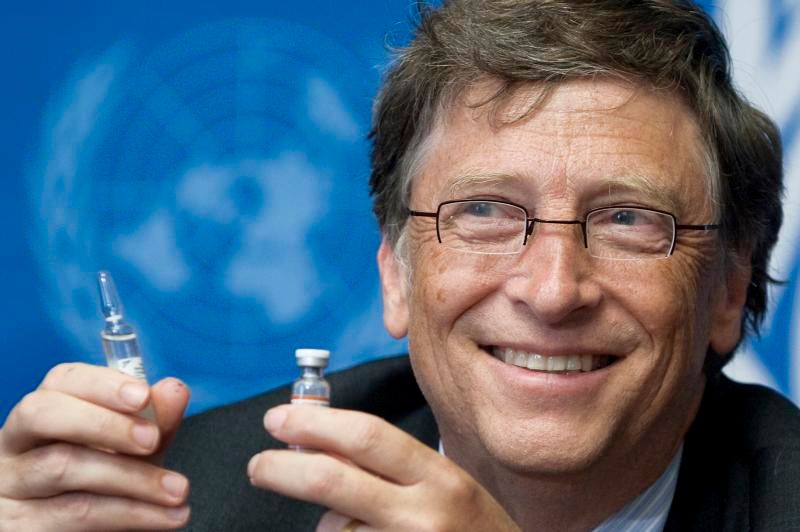 Bill Gates, co-founder of the Bill & Melinda Gates Foundation, which funded the controversial 2009 PATH HPV trial in India.
Could the HPV Vaccine Be India’s Next Public Health Success?
HPV stands for Human Papillomavirus. HPV is not one virus but a group of almost 200 types of viruses. HPV virus is the most common cause of cervical cancer. Smoking and unsafe sexual relations also contribute to it. Only 10-12 types of HPV viruses out of these 200 are responsible for causing cervical cancer. Among these, HPV types 16, 18, 31, 33, 45, 52, 58 cause cervical cancer or small warts on the body. HPV virus also causes cancer in men. This virus spreads through unsafe sexual relations. It can also cause cancer of the anus, penis, mouth, and throat. In India, cervical cancer patients are second only to breast cancer patients.
The most important preventive measure to prevent this cancer is the HPV vaccine. It is said that this vaccine provides 85 to 90 percent protection against cancer. Second, regular screening and examination of the cervix is necessary. The World Health Organization says that with this examination, this cancer can be diagnosed early and prevented. This examination should be done at least every three to five years without fail. However, in our country, the rate of regular cervical examination is very low, about 1.9 percent.
Currently, Gardasil-4, Gardasil-9, and Cervarix are the names of the HPV vaccines primarily mentioned worldwide and in India. Gardasil 4 and Cervarix protect against four types of HPV, while Gardasil 9 is said to protect against HPV types 6, 11, 16, 18, 31, 33, 45, 52, 58.
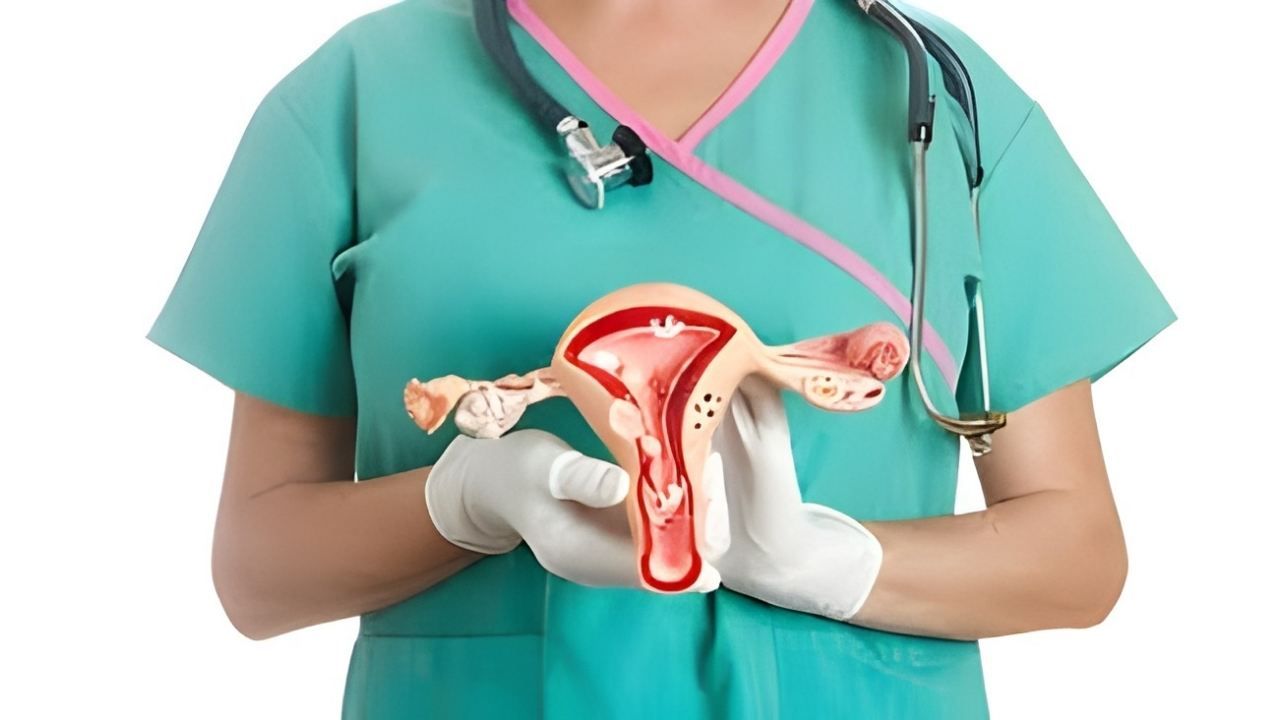
Who is Eligible for the HPV Vaccine?
This vaccine can be given to boys and girls. However, the vaccine should be taken before coming into contact with HPV. This is because the vaccine can only prevent infection. Once infected with this virus, the vaccine is not very useful. This virus spreads so quickly that it is necessary to vaccinate children before they become sexually active. According to the World Health Organization, one or two doses of this vaccine are sufficient for a normal person. However, the organization suggests that two or three doses should be given to people with low immunity.
The Government of India has opted for a single dose option for Gardasil for this vaccination, whereas earlier a schedule of more than one dose was prepared. This change has been made in accordance with the World Health Organization's updated guidelines of 2022. The vaccine is administered as an injection into the 0.5 ml muscle of the arm, and beneficiaries are identified by a mark on the fingernail of the left hand's little finger. Digital tracking is the basis of this entire system through the central government portal, U-Win platform, designed for registering beneficiaries and issuing digital vaccination certificates. With the government's plan to vaccinate approximately 1.15 crore girls every year, this initiative is one of the largest HPV vaccination campaigns being implemented anywhere in the world.
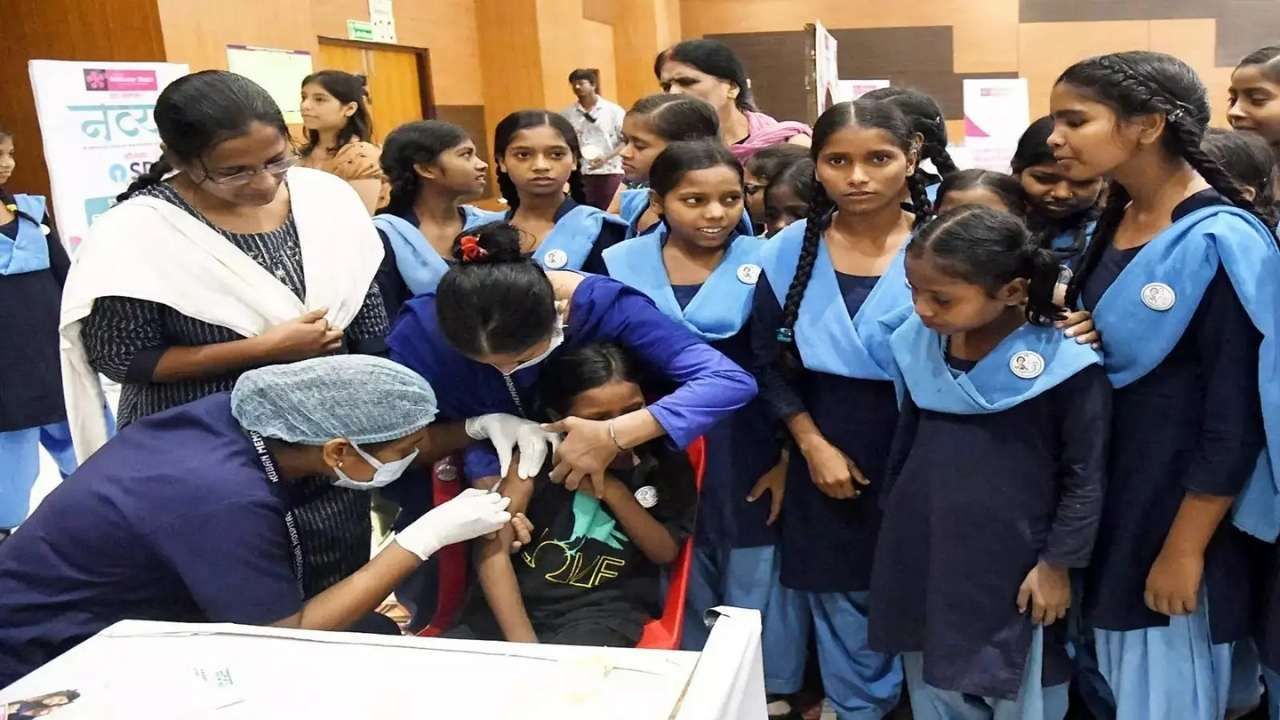 Girls receive HPV vaccinations at a govt. health camp. Vaccination drive aims to reach millions of school-going girls across urban and rural areas.
How India’s HPV Vaccination Drive Is Being Built?
The government has opted for a single-dose regimen of Gardasil, a shift from earlier multi-dose schedules that follows updated guidance from the World Health Organization in 2022 encouraging simplified dosing to make vaccination programs easier to scale in low and middle income countries. The vaccine is administered as a 0.5 ml intramuscular injection in the upper arm, and beneficiaries are identified through a nail mark on the left little finger. The entire system is supported by digital tracking through the U-WIN platform, a central government portal designed to register beneficiaries and issue digital vaccination certificates. With the government planning to vaccinate roughly 1.15 crore girls annually, the initiative represents one of the largest HPV vaccination drives attempted anywhere in the world.
How widespread is the HPV vaccine globally?
According to the World Health Organization, nearly 90% of deaths from cervical cancer occur in low- and middle-income countries. Women living in such countries do not realize they have cervical cancer early enough. As stated by the World Health Organization, the goal is to eradicate this disease in the coming century by completing 90 percent of HPV vaccination by 2030. Almost 140 countries have now started HPV vaccination. The highest incidence of this cancer in women is found in sub-Saharan Africa (24%), followed by Latin America, the Caribbean (16%), Eastern Europe (14%), and South East Asia (14%). Rwanda was the first country in Africa to start a vaccination campaign. In 2011, they launched a plan to vaccinate girls as early as possible and start cervical screening for women.
Experiences of other countries that have taken the HPV vaccine
Debates surrounding the HPV vaccine are not unique to India; several countries have experienced crises that significantly affected public confidence in national vaccination programmes.
In Japan, the HPV vaccine was added to the national immunisation schedule in 2013 but quickly became controversial after reports of chronic pain, motor dysfunction and fatigue among some vaccinated girls. Amid rising public anxiety, the government suspended its proactive recommendation for the vaccine later that year, even though it remained available voluntarily. Vaccination coverage subsequently collapsed from high initial uptake to below 1% for several years, illustrating how quickly public trust can erode once safety concerns dominate national discourse.
In Colombia, a 2014 health scare in the town of Carmen de Bolívar, where hundreds of schoolgirls reported fainting, headaches and neurological symptoms, triggered nationwide panic and sharply reduced vaccine uptake after authorities attributed the episode to mass psychogenic illness.
In Europe, Denmark and Ireland saw steep declines in vaccination rates following media coverage and advocacy campaigns linking the vaccine to conditions such as Postural Orthostatic Tachycardia Syndrome (POTS) and chronic fatigue. Although regulators and international agencies including the World Health Organization and the European Medicines Agency maintained that the vaccine remained safe, these episodes demonstrated how quickly public perception can shift when communities feel their concerns are dismissed.
As India expands its HPV vaccination campaign, the failure to address concerns openly could expose the programme to the same cycles of panic, media amplification and declining uptake that have disrupted vaccination efforts in other countries.
The answers to these questions regarding the reliability of HPV are yet to be found…
Many questions are being raised about this vaccination campaign. Many people are raising doubts about the vaccine's reliability. Former medical officer and medical professional Dr. Anjali Mulke has raised some important questions regarding HPV vaccination. Dr. Mulke says that,
This vaccine was approved by the US Food and Drug Administration in December 2014, and its trials were conducted from 2006. The results of research on these vaccines should have a minimum of 30 years of outcome period. But it is not clear from which study the vaccine was approved before that.
The function, side effects, and long-term effects of this vaccine have not been explained clearly, except for symptoms like dizziness, swelling at the injection site, etc. The World Health Organization says that one to two doses of this vaccine should be given. The organization also says that three or more doses should be given to people with low immunity, HIV-positive people, and older people accordingly. The price of this vaccine, which is currently being given free of cost by the government, is Rs 3927. Dr. Mulke also raised the point that there is no clarity from the government about who should be given the next dose, when, and whether the government will give the next dose free of cost.
At the same time, US Health Minister Robert F. Kennedy objected to the HPV vaccination, stating that the death rate after taking the Gardasil-4 vaccine is 37 percent higher than that of cancer. Dr. Mulke also clarified that this issue, Bill Gates' name appearing in the Epstein Files, Indian citizens' objections regarding the corona-related vaccines, and many other factors are creating skepticism about the vaccination in India even before it starts.
Which tests can prevent cervical cancer without taking the HPV vaccine?
Uterine cancer has become a concern for women. There is still a lack of awareness about cervical cancer, especially in rural areas. The rate of timely diagnosis of cervical cancer has increased in urban areas. 20-25% of women are seen to be aware of this, which was earlier only 5%.
Basically, 90 percent of HPV infections are repelled by the body's immunity. Only some of these HPV infections are associated with the risk of cancer. Attention should be paid to safe sexual relations, avoiding sexual relations with multiple partners, and regular check-ups. Regular check-ups significantly reduce the risk of cancer. Currently, an average of Rs 1500 to Rs 3000 is spent on this test.
Although cervical cancer is preventable and treatable through routine tests like Pap smear and HPV tests, it has become a global health problem. It is necessary to prioritize regular screening and vaccination against HPV to reduce the risk of cervical cancer in women.
It is necessary for young women to undergo regular check-ups and preventive care, which makes early diagnosis and treatment possible. Lifestyle-related factors such as smoking, obesity, and poor diet choices can play a significant role in the growing vulnerability of women to cervical cancer.