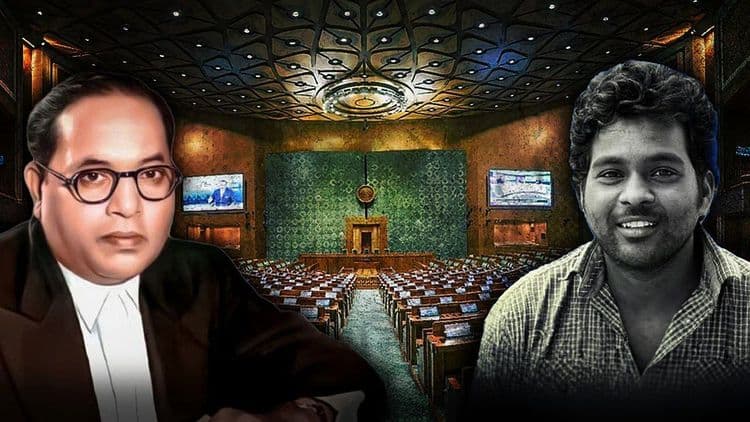
To address caste-based discrimination in the education system, Rahul Gandhi has urged Congress-ruled states—Karnataka, Telangana, and Himachal Pradesh—to introduce the "Rohith Vemula Act." He has written detailed letters to the Chief Ministers of these states, and early signs suggest the act may be implemented soon.
Rohith Vemula, a research scholar at Hyderabad Central University, died by suicide eight years ago. Allegedly, he was a victim of caste discrimination, which pushed him to take this drastic step. The proposed act, named after Rohith, aims to curb caste-based discrimination in educational institutions.
Why did Rohith Vemula die by suicide?
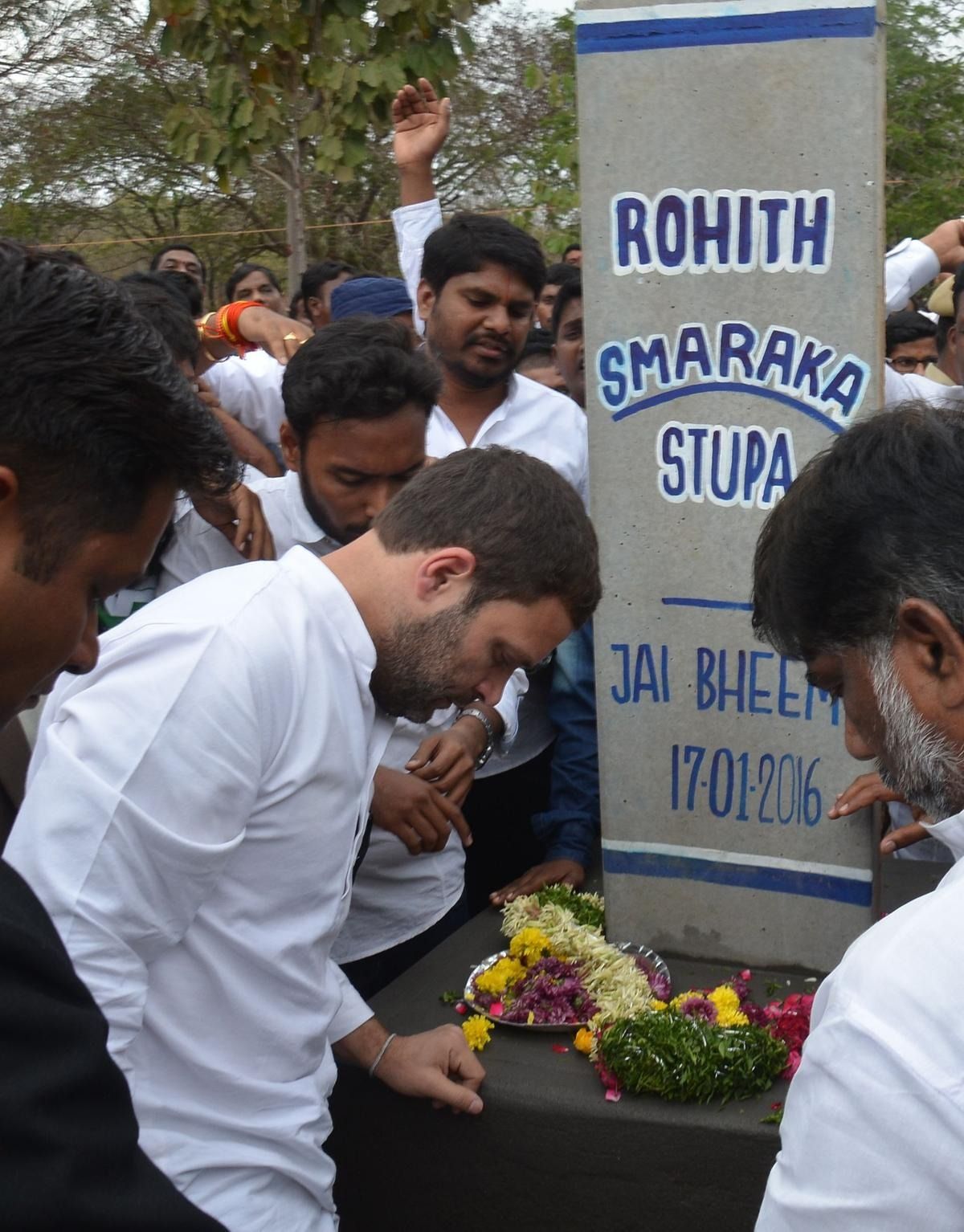
Rohith Vemula, a 25-year-old Dalit PhD scholar at Hyderabad University, had a dispute with members of the Akhil Bharatiya Vidyarthi Parishad (ABVP) in 2016. Following this, he was expelled from the university hostel. Shortly after, he died by suicide. In his final note, he wrote, "My birth is my fatal accident." The letter sparked nationwide protests.
Just days before his death, the Ministry of Human Resource Development had written to the university recommending action against Rohith and four other Dalit students for their “casteist, extremist, and anti-national” activities. This worsened the situation, and Ambedkar Students' Association activists began demanding an anti-discrimination law in Vemula’s name.
Related Article:
1) The Burning Realization of Struggle: I Am Rohith Vemula Too!
Why does Congress want the 'Rohith Vemula Act'?
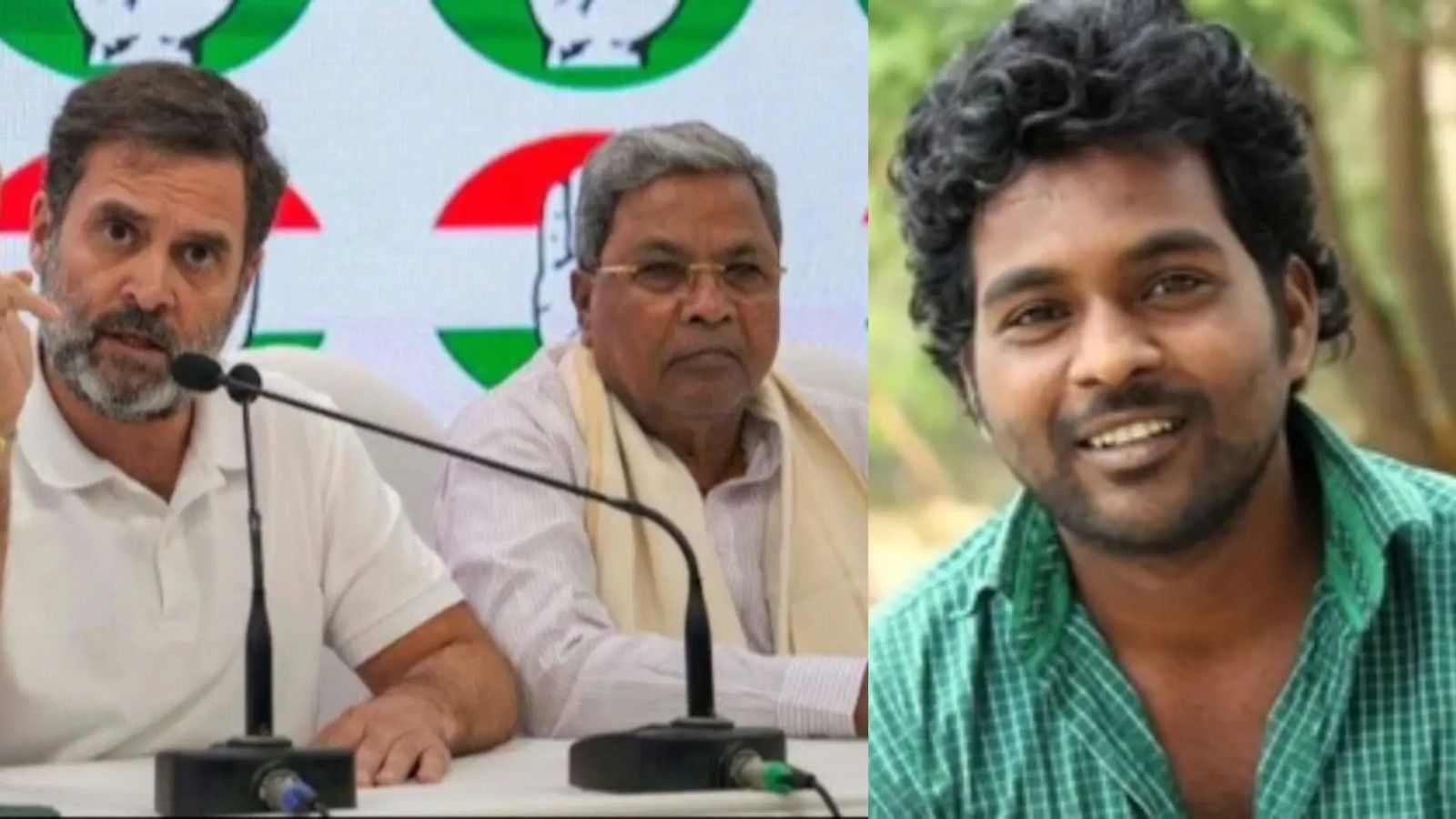
Rahul Gandhi shared the letters sent to the Chief Ministers on his X (formerly Twitter) account, where he elaborated on the necessity of the Rohith Vemula Act. He stated that it is shameful that even today, millions of students from Dalit, Adivasi, and OBC communities continue to face severe caste discrimination within the education system. Education, he emphasized, is the only tool through which the marginalized can be empowered and caste structures dismantled, as shown by Dr. B.R. Ambedkar. However, decades later, caste-based discrimination persists.
Talented students like Rohith Vemula, Payal Tadvi, and Darshan Solanki have lost their lives due to caste bias. Such tragedies are unacceptable. It’s time to put a complete stop to this injustice. Rahul Gandhi mentioned that the Rohith Vemula Act is necessary to ensure no child in India has to face the caste discrimination experienced by Ambedkar, Rohith, and millions of others.
The letter, dated April 16, was shared on Rahul Gandhi’s social media. In the letter, he also noted that students he met from Dalit, Adivasi, and OBC backgrounds in universities and colleges still experience caste bias. He referenced how Ambedkar himself had faced such discrimination.
The Act in Congress’s Manifesto
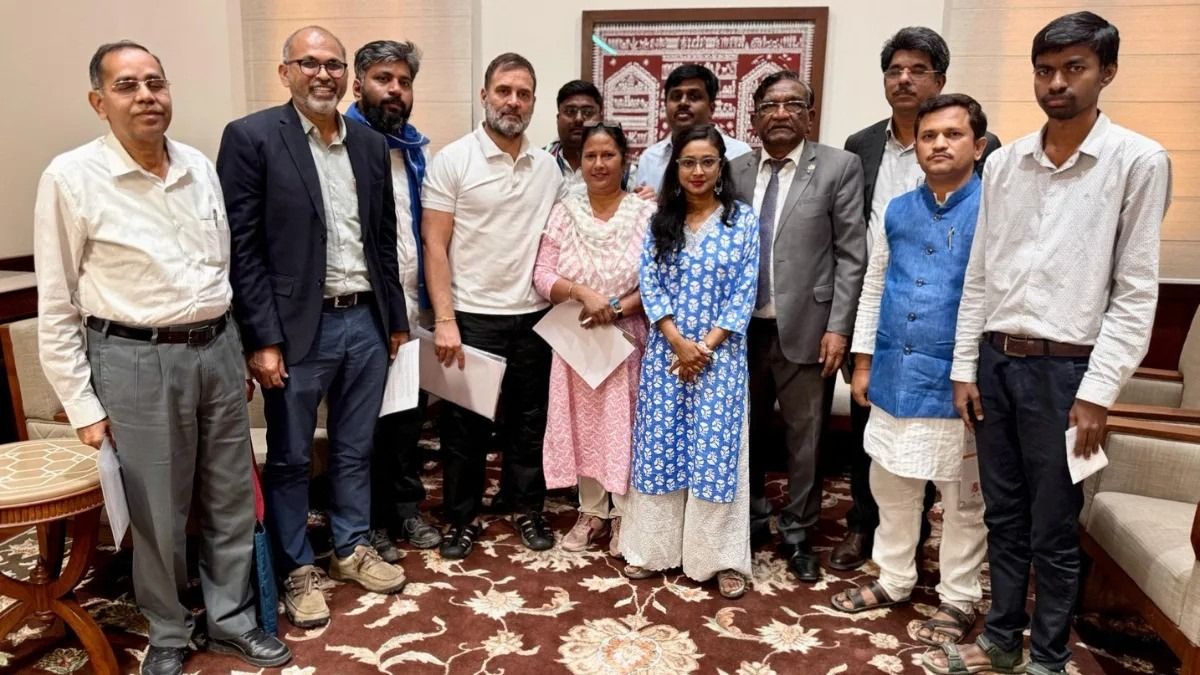
When Rohith died, Congress was in opposition and actively participated in the protests that erupted nationwide. Congress had demanded punishment for those responsible for driving Rohith to suicide. Many Congress leaders joined demonstrations at the Hyderabad University campus at the time.
Before the 2019 Lok Sabha elections, Congress promised to bring in an anti-discrimination law if elected. After losing the elections, Karnataka minister Priyank Kharge revived the conversation in January, pointing out that the promise remained only on paper. He told The Indian Express that Rohith Vemula had clearly mentioned caste discrimination in his suicide note and that reservation and merit are often used to justify discrimination against students from marginalized communities. Such prejudice becomes a barrier for them in higher education institutions.
The push for the act is also driven by a focus on the upcoming caste census, public awareness campaigns, and the 10th death anniversary of Vemula next year. Kharge said, “We are committed to drafting and implementing a law that ensures no educational institution or individual discriminates against Scheduled Caste or Scheduled Tribe students.”
Anti-Discrimination Law Drafted in 2017
Karnataka Congress sources said the party, along with all relevant stakeholders including the National Campaign on Dalit Human Rights (NCDHR), had discussed such a law, and each state would draft its own version. In 2017, NCDHR and Dalit student/faculty leaders drafted the anti-discrimination law. The draft, based on the “Elimination of Discrimination and Promotion of Equal and Inclusive Education for SC/STs - 2016,” states that the law will protect SC/ST students—especially women—at all education levels, from pre-primary to higher education, against all forms of exclusion, inequality, and discrimination.
What does the draft law classify as crimes?
The draft mandates that educational institutions must completely prohibit all forms of caste-based discrimination. It criminalizes denial of admission to SC/ST students, demanding bribes for admission, and failure to provide essential facilities mandated by the institution.
Violators—including non-SC/ST students, teachers, and staff—may be penalized under these provisions. Apart from action under existing SC/ST laws, the draft also calls for administrative or academic suspension of the accused during investigations to prevent interference.