Sanjana Khandare
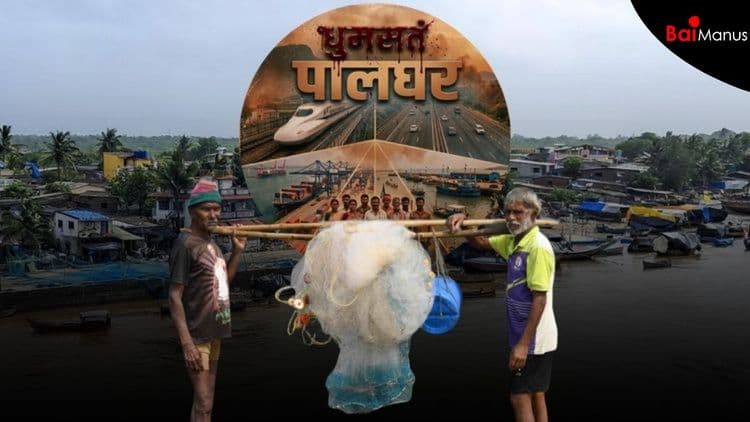
- The emergence of a 'Fourth Mumbai' with projects like the Bullet Train, Expressway, Murbe Port, and Vadhvan Port... has brought many fundamental issues alongside development. 'BaiManus' has started a special series titled 'Dumhast Palghar' on this subject.
- India's largest port is set to be built 150 kilometers from Mumbai, filling 1448 hectares of land in the sea, six to seven kilometers from the Vadhvan coastline.
- Alongside environmental concerns, there is intense opposition to the port from locals on the Vadhvan coast. Land acquisition, environmental impacts, uncertainty in rehabilitation, and the disregard for the Gram Sabha have all fueled a growing distrust toward the administration.
In Palghar, ambitious development projects such as the Bullet Train, Expressway, and the Murbe and Vadhvan ports were presented as grand visions of progress. However, these projects have inflicted trauma on many residents, leading to the loss of ancestral farms, homes, and stable livelihoods. Critical concerns regarding fair compensation, proper rehabilitation, and long-term security for the people of Palghar remain largely unaddressed. What appears as prosperous growth on paper often translates into a ground reality defined by struggle, apprehension, and deep-seated uncertainty.
Through the special series "Dumhast Palghar," 'BaiManus' seeks to amplify the perspectives of those residing in the shadow of this burgeoning "Fourth Mumbai". Currently, the Vadhvan Port stands as the most critical and contentious issue within this region, a conflict that has persisted for three decades rather than being a recent development.
Vadhvan in Palghar district... a quiet village in nature, with its soul connected to the sea. But this very village suddenly became the center of discussion. The reason is the proposed Vadhvan Port project. What exactly will be the impact of this project on the lives of the locals? Has the port work really started? And most importantly, what do the villagers of Vadhvan think about this? To understand all this, 'Baimanus' decided to head toward Vadhvan. But this journey was not as easy as it seemed. Some people we met in Palghar warned us. "Don't go to that village, people pelt stones without asking," while someone said, "An official went there the day before yesterday, and he was also beaten up." These warnings raised many questions. Why have the people in Vadhvan become so aggressive? What is the reason behind their anger? It was necessary to know this. Finally, leaving Dahanu, we reached Vadhvan around eleven in the morning.
The sun was rising overhead. As we stepped into the village, a different picture emerged. Although this village adorned with nature looked quiet and simple, there was a sense of restlessness somewhere inside. In the courtyards of the tiled houses, some were busy with die-making work. Die-making is an important business here. But even in this daily life, a wave of opposition was clearly felt. Banners saying "Cancel Vadhvan Port" were put up at various places throughout the village. Some youths were even wearing T-shirts with the same message. There was a firm stance in the atmosphere. Of rejection, of opposition...
We set out toward the shore with Vinit Patil, an activist from the Vadhvan Sangharsh Samiti. On the seashore, some fishermen were rolling up their nets. They were returning to the village after fishing. This is an integral part of their daily life. But on this very shore, two police tents were pitched and deployed. A different, tense picture. This is the same shore where, according to the Maharashtra government, the Vadhvan Port project has started. But what was actually visible was something else. A struggle hidden beneath the silence, and the voice of people fighting for their land.
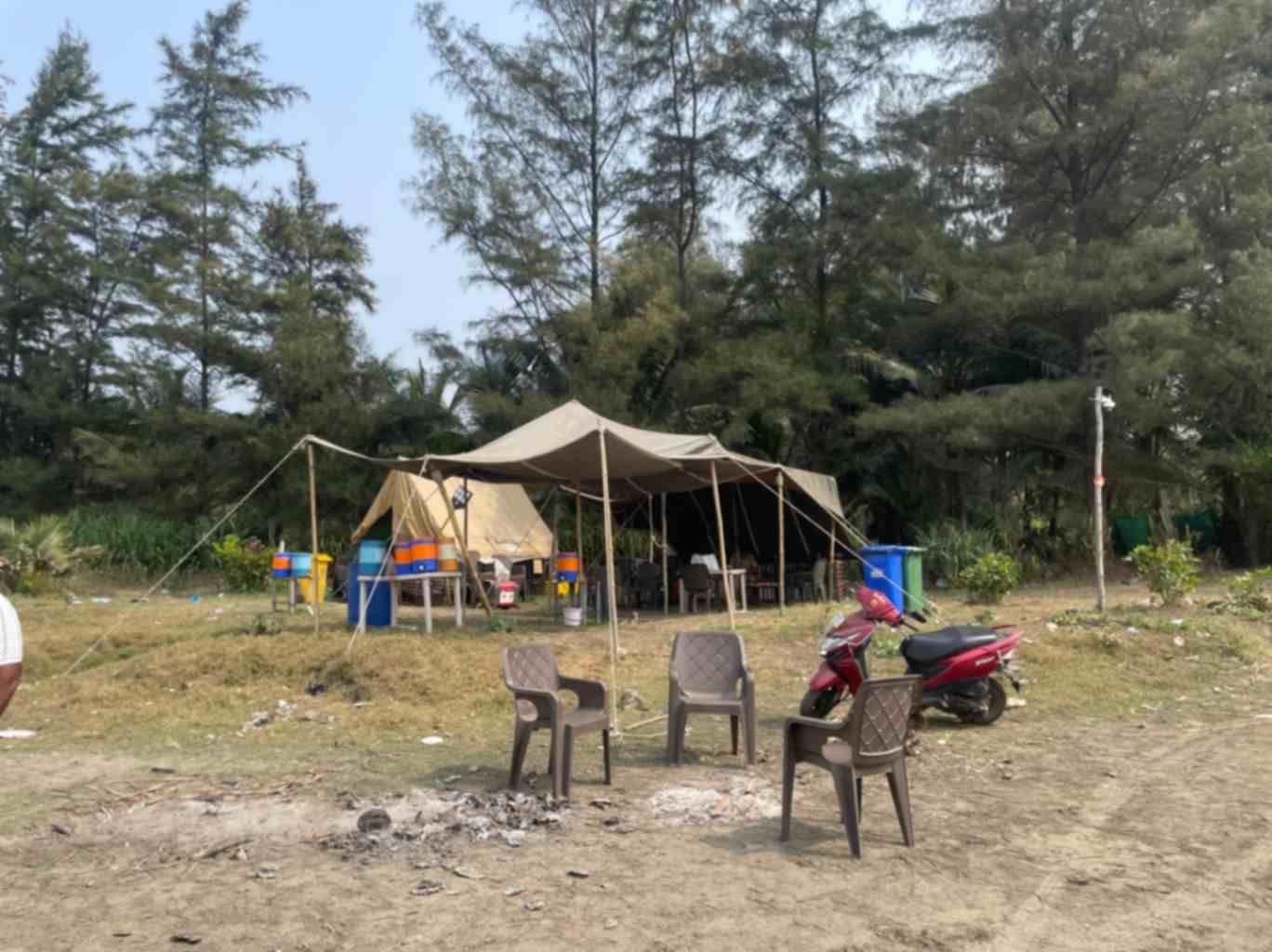 The police administration is deployed with tents on the Vadavan shore. (Image credit: Komal Thombre)
The issue of Vadhvan Port is not something from today. Since 1997, local tribals, fishermen, and villagers have been opposing this project. According to them, this development will come at the cost of their existence. But recently, with news that the project work is about to begin, the opposition in this region has intensified.
Today the situation is such that even if a single stranger is seen in Vadhvan, the villagers get suspicious: "Have these people come to survey the port?" Outsiders are not given easy entry into the village. On the seashore, the administration has pitched tents and deployed police. From small children to the elderly, one sentence can be heard from everyone's mouth: "Only one determination – Cancel Vadhvan Port!"
According to the villagers, if this port is built, thousands of fishermen will have to leave their homes, their sea, and their livelihood to migrate. The struggle is not limited to Vadhvan alone; the proposed private Murbe Port in Murbe village, just forty kilometers away from Vadhvan, has also become a cause of equal concern for the locals. In such a situation, the question arises: for whom exactly are these ports being built? Will the locals really benefit from this? And what environmental price will have to be paid in the name of this development? 'Baimanus' has tried to find answers to all these questions through this ground report.
What exactly is the Vadhvan Port project?
The port to be built in Vadhvan is claimed to be one of the largest deep-sea ports in the country. This project is being developed under the Central Government's Sagarmala scheme and is planned to be built in a joint partnership between the Jawaharlal Nehru Port Trust (JNPT) and the Maharashtra Maritime Board. According to official documents, this port will be developed over an area of about 1448 hectares (about 3,575 acres), for which artificial land will be created by reclaiming the sea. For this project, a large amount of coastal area, traditional routes used for fishing, and land of surrounding villages will be used. According to the administration, this port will increase international trade, provide direct access to large ships, create jobs, and boost the country's economy.
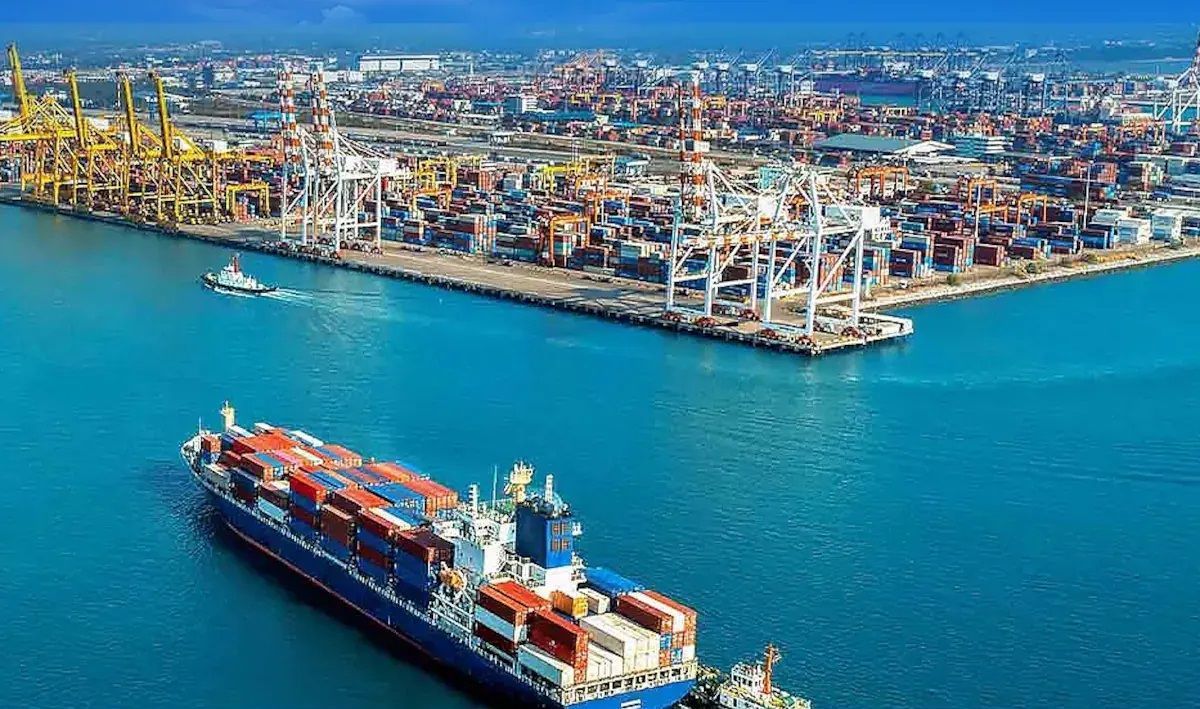 If the expansion project is implemented, the proposed expansion port project will be like this. (File Photo)
However, according to locals, there is no clear mention of their existence in this "development" plan. Fishermen are expressing fear that as a large amount of mining, dredging, and filling will be done in the sea for the port, it will directly affect fishing. Locals also say that the possibility of migration in the villages along the coast cannot be ruled out.
No rehabilitation, our sea, farming, pure air are our everything
Standing on the shore of Vadhvan, it is clearly felt that this struggle is not just about land, but about a relationship with the sea that has been connected for generations. The fishermen here do not go into the sea on large trawlers, but on traditional boats. For the fishermen who go to the sea to catch fish from home in the morning darkness, the sea is not just a means of livelihood, but an integral part of life.
Read this also:
part 1 Smoldering Palghar: Land gone for Bullet Train, future also became blurred...!
Akshala Vaide, who fishes, says,
If a port is built here, what will we do? Where will we go? In which village will we go? If there is our sea, then there is our life. When we come to the sea, we never remain hungry. If we take it from the sea and sell it in the market, we get 100/200 rupees and our house runs. Our living and dying is here only. Where will we leave the village? We will die but we will not let Vadhvan Port happen.
Their traditional fishing routes come in the place of the proposed port itself. Mangala Arekar, who is in the fishing business, says,
We have been fishing here for years. In the sea where fish is found, in which season where and which net to cast, we have experience of this from generations. Drying fish, then going to the market and selling it, we do all these things. Men go to the sea, but the work of running the house is on us. If the fish themselves decrease, then what about us? What about the education of our children? We cannot go anywhere leaving the sea. If we are picked up from here and kept on another coastline and if fish are not found there, then what will we even do?
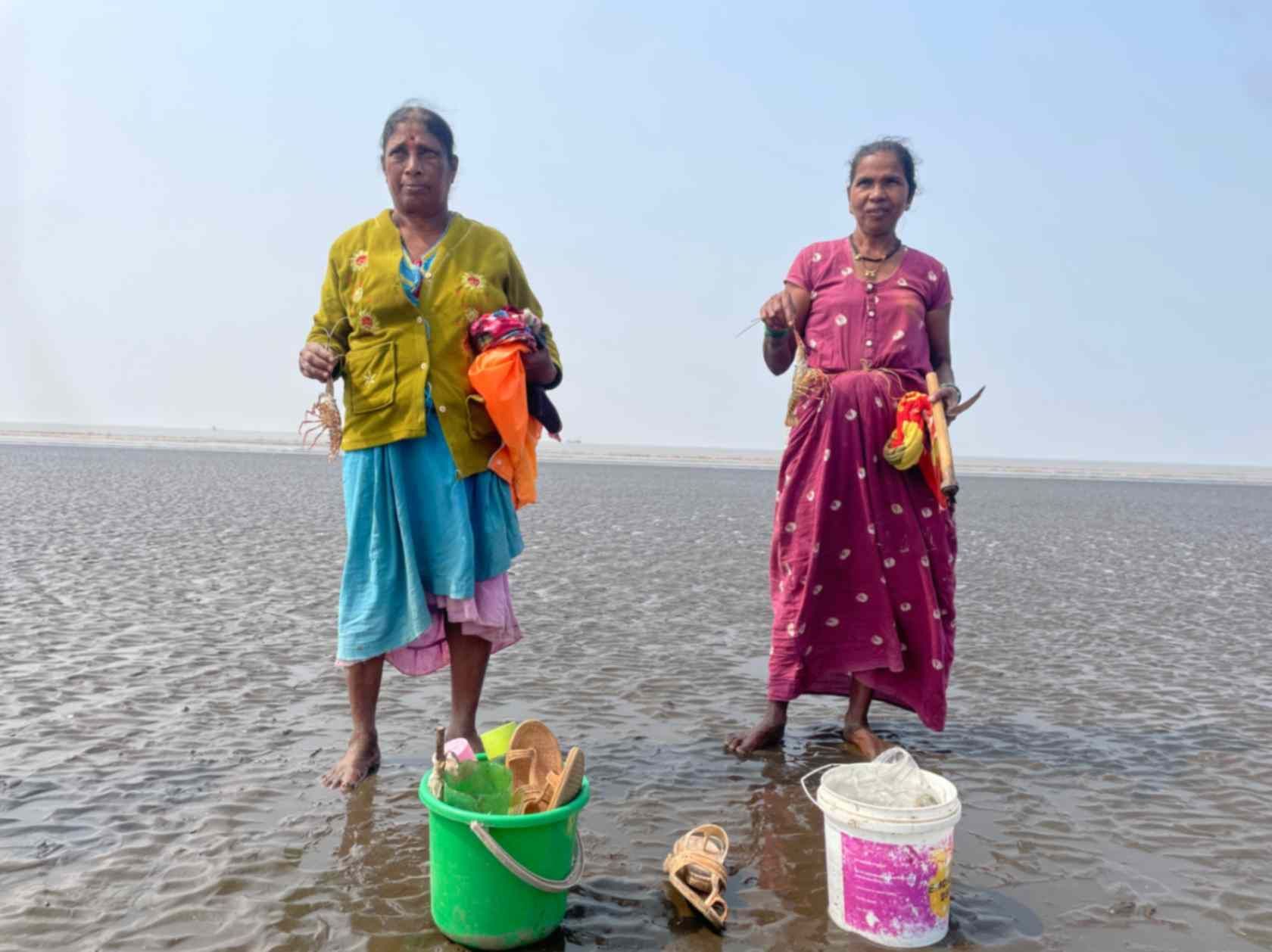 "We will not go anywhere except the sea," say Mangala Arekar and Akshala Vaide. (Image credit: Komal Thombre)
Balkrishna Kashinath Prabhu has been fishing on the shore of Vadhvan for the last 30 years. He has his own boat, his own business, and a relationship with the sea from generations. He says,
I have been fishing for 30 years. From this business, we get an income of about ten lakh rupees a year. Our house, children's education, everything runs on this. If Vadhvan Port happens, it will be the destruction not just of one village, but of the entire coastline. Fish breed in a specific area. You cannot tell us to leave this part and go to another part and fish. There is no certainty that fish will be found there. When going into the sea is stopped at the time of high and low tide, we catch fish even on the shore. But if the port happens, that too will not be possible.
Balkrishna Prabhu says that the next generation in his family is also connected to the sea.
My son works in Boisar MIDC. But after coming from work, he goes to the sea for two hours. Because this is our traditional business. If this business is destroyed, then what will the next generation do? Due to Vadhvan Port, our houses will go. Here are our children's schools, there is farming, there is rightful land. If we are taken elsewhere, what will we do? We don't want rehabilitation. Our sea, our farming, the pure air here is our everything.
He further says,
Even if we are taken to the Lanka of gold, but if nothing of our right is there, then what is the use of it? Any business can be done there to fill the stomach, but if the business of choice and tradition is not there, how to live life? Roughly 25 thousand families in the Vadhvan area are directly or indirectly dependent on fishing. The Koli brother here is present at the sea at six o'clock in the morning. The sea is not just a business for us, it is our breath. You call it development, but this is not our development. It is a disaster for us.
1997 to 2026… Struggle of Vadhvan Port
The movement against the proposed Vadhvan Port project in Dahanu taluka of Palghar district has been going on since about 1996–97. In that period, this port project first came forward under the Central Government's maritime development policy. However, as the Dahanu area is an environmentally sensitive zone and due to the intense opposition of local fishermen, tribals, and environmental organizations, the project was stopped in 1998. After that, this subject remained suspended for many years. Later, after the subject of the project came forward again after 2015, locals increased opposition by holding marches, demonstrations, Gram Sabha resolutions, and protesting by taking boats into the sea. During 2019–20, various organizations continued the movement by giving marches and memorandums.
Later, after the Central Government's Cabinet approved the project in 2024, dissatisfaction increased again in the Dahanu area. When discussion started that this project would start soon, a large march of about 15–20 thousand fishermen, tribals, and farmers came out in Palghar on January 19, 2026, in which locals expressed strong protest by giving slogans like "Cancel Vadhvan Port" and "Our sea, our right". Therefore, the question of Vadhvan Port is not just about development but has become a big struggle connected with the rights of environment, sea, and livelihood of the locals.
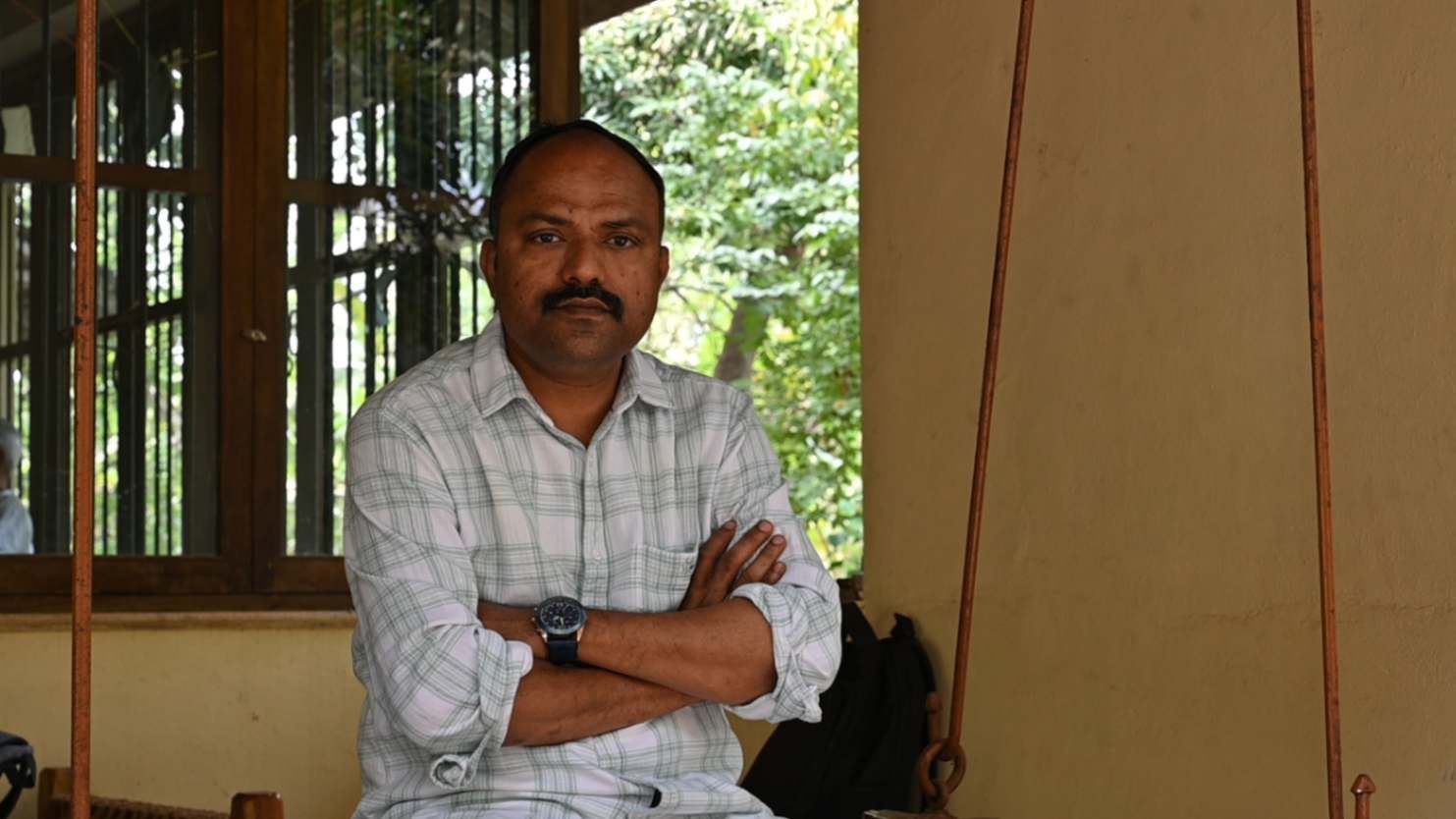 Vineet Patil, local activist of Vadavan Sangharsh Samiti. (Image credit: Komal Thombre)
Vinit Patil is a prominent name among the local activists who have been fighting against Vadhvan Port for many years. He is an active member of the Vadhvan Sangharsh Samiti. According to him, this struggle is not just against one project, but against the policies of the administration and for the rights of the locals.
Vinit Patil says,
We have seen many projects in the last 42 years. A project happened about six kilometers from us and the villages there were displaced. The houses that were given to those people fell down within a year. After that, they were shifted again 15 kilometers away from the original village. Farming land was also given 15 kilometers away. Now tell me, can a farmer go 15 kilometers daily and do farming? Is this rehabilitation?
He further says that,
The government has not presented a clear policy regarding Vadhvan Port before the locals. Whatever is told is only for corporate people. There is no solid, written assurance for the locals.
Government says, the reasons for which there was opposition no longer exist
Unmesh Wagh is the former Chairman and Managing Director (CMD) of the Jawaharlal Nehru Port Authority (JNPA) and has led the Vadhvan Port project through important phases. While speaking with 'BaiManus', he said that the Vadhvan Port project started from 1991 and came forward through phases such as 1997, 2006, 2016. Initially, this project was on the shore of Vadhvan, so there was opposition from locals due to five main reasons: displacement, flooding, impact on Shankhodhar, harm to mangroves, and environmental risks due to crude import. However, later the layout of the project was completely changed and it was moved 7–10 km into the sea, due to which a safe distance was kept from mangroves. No displacement will occur. The question of flooding was resolved. Shankhodhar remained safe and crude import was also not allowed, he clarified. Therefore, the reasons for which there was opposition no longer exist.
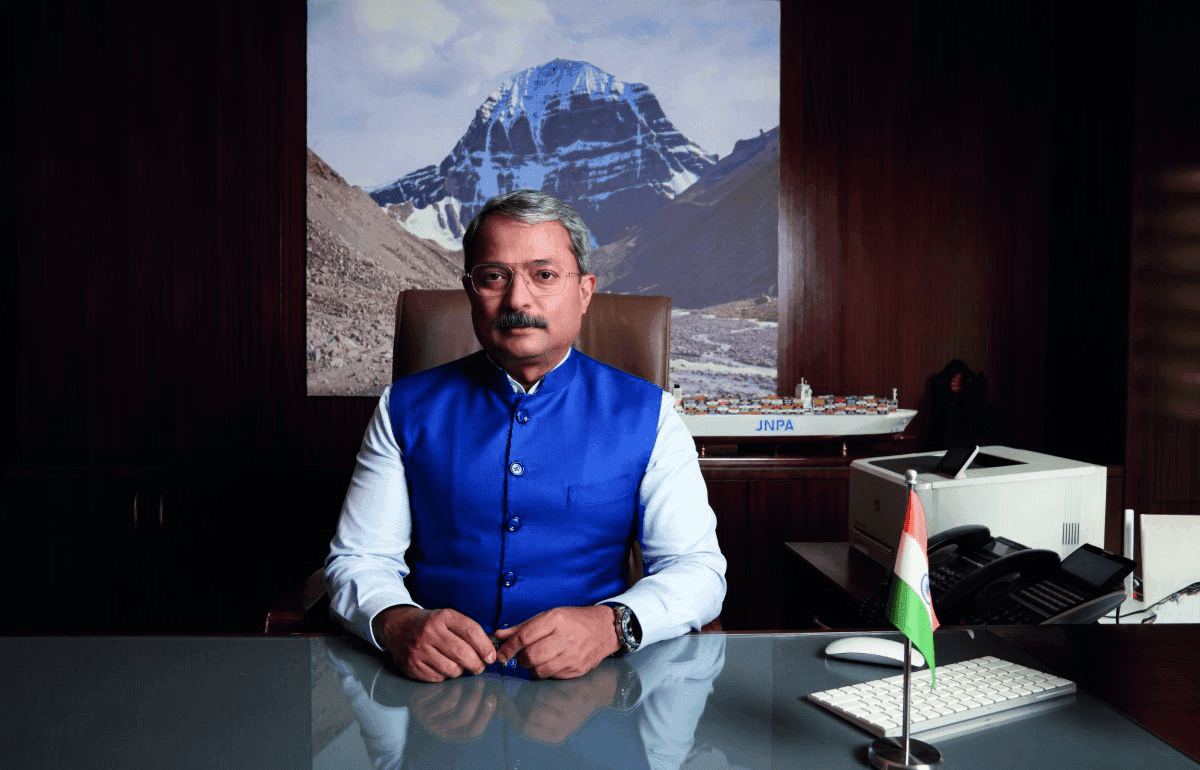 Unmesh Wagh, Chairman and Managing Director of JNPA
Unmesh Wagh further said that,
The project no longer has a direct connection with Vadhvan village. There is no effect on the village and limited land is being acquired only for the road. While giving environmental clearance to this project, it has been examined by VTEPA (Vadhvan Taluka Environmental Protection Authority) specially established for Vadhvan taluka as well as through the process of Green Tribunal, High Court and Supreme Court and all have given valid recognition to this project. Even an institution like 'NEERI' (National Environmental Engineering Research Institute) has checked all studies and objections and mentioned that the project is proper according to environmental rules.
"For whom is the fourth Mumbai?"
Mention of 'Fourth Mumbai' is made by the government. Vinit Patil raises a question on that. "The population of Palghar district is not even around thirty lakhs. Then for whom is the fourth Mumbai? Eight-nine lakh local people here are standing on their own feet. We have not asked for ten lakh jobs. Just give us electricity, roads, and basic facilities. There is die-making business of Devkar Bhandari community in Vadhvan area. Farming and fishing also happen here on a large scale. Children here have taken education. Many people do jobs outside. We have not sat here to ask for jobs. Our life is stable. Development is being forced upon us," says Vinit Patil.
"How can the decision about our future be without us?" Direct question from young women
Two young women from Vadhvan are always at the forefront in every protest march against the Vadhvan Port project. Apurva Vinde and Srishti Vinde… If someone comes for a survey in the village, outside vehicles are seen or a call for protest is given, these two go forward and stand. They say, this fight is not just of today's generation, but of the existence of future generations.
While communicating with them, Apurva Vinde says,
Farmers, fishermen here have lived on this very sea, on this very land for years. Our education, our houses, our life everything is built on this. The government says it will give ten lakh jobs. But to whom are those jobs? Will outsiders come and rule in Maharashtra and Marathi man be suppressed? Then where will we go?
She further says,
The government says displacement will not occur. But if reclamation of fifteen hundred acres is done in the sea, will sea water not enter our houses? Will our houses not go? The government is giving all false assurances. We are young, we understand how many ill effects will occur due to this port.
Apurva says firmly,
If we want to give something to the next generation, then we can give only our traditional business. But if that itself is snatched away, then what will we give? That's why we will never let this port happen. We have complete opposition to this port.
"Is our voice being suppressed?"
The allegation of these young women is not limited only to the project. They also raise questions on the media and the administration. Srishti Vinde says,
Something or the other happens here every week. People come from outside, JNPT men come. We chased them away. But our news remains limited to Palghar only. Not a single march of ours is shown on big news channels. Despite such a big march coming out, there is no coverage. Then is this voice being suppressed?
They say that they experience opposition on social media too. "On JNPT's Instagram, one person put a video and said the march against Vadhvan is fake. We opposed him by commenting. But our comments were hidden. We put them on again, they hide them again. Then why this kind of hiding?"
"Why are you making the green zone an industrial zone?"
The government speaks the language of development, but these young women do not think it is development. "This is not development. We are against the destruction that will happen from this development. Mangrove forests are being cut. What is the Forest Department doing? If trees are being cut daily, then why no action?" such a question they raise.
According to these young women, the question of the environment is not limited only to trees. "We already have MIDC here. Therefore diseases like asthma have increased. Such diseases have spread, which we had never heard of. The effect of radiation, pollution is seen on health. If this Vadhvan becomes the second largest port in Asia, then how much pollution will occur? The government doesn't tell this. Palghar district comes under the green zone. Then why is it being pushed into the industrial zone? Who will think of the health of our next generation?"
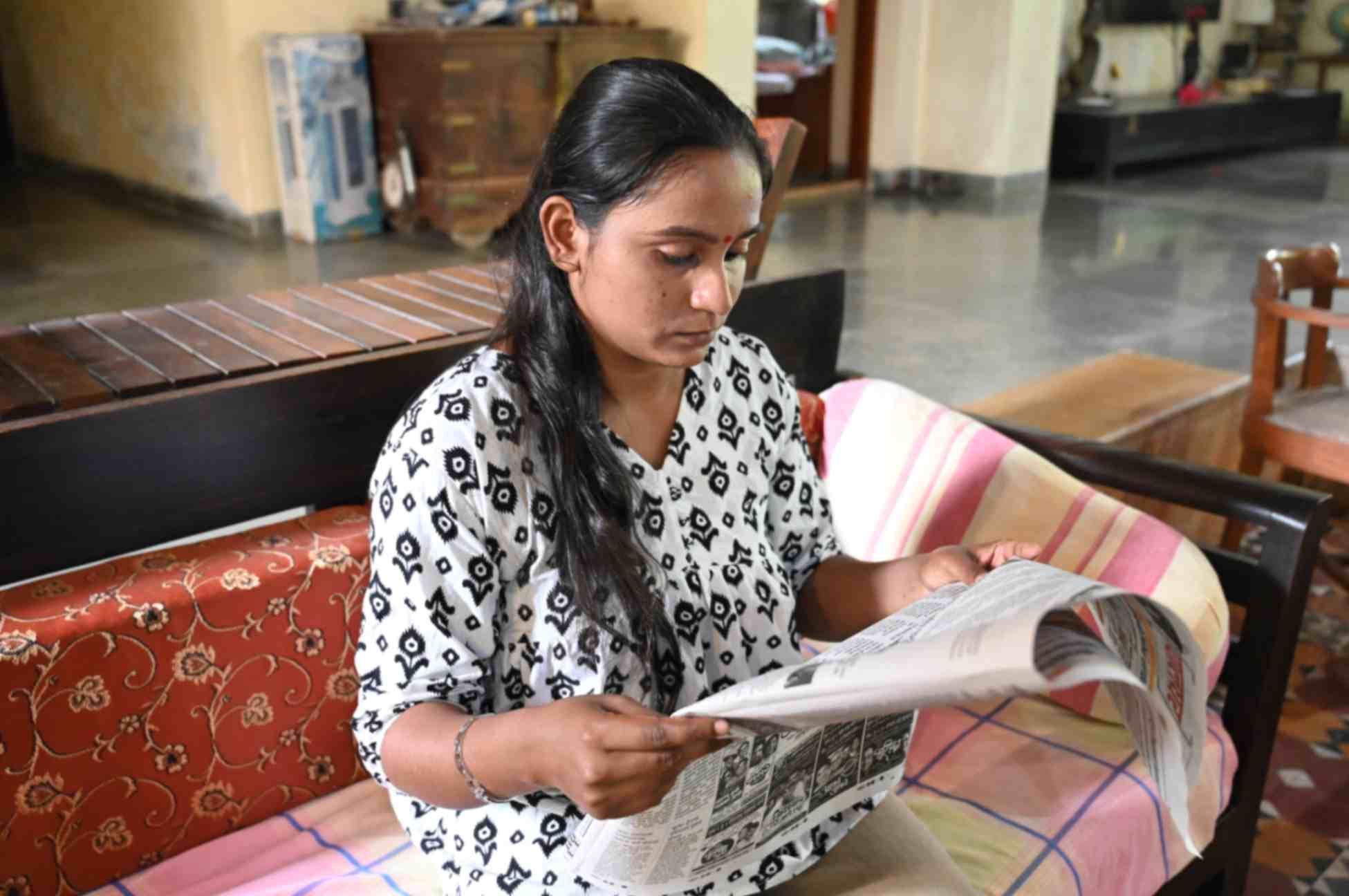 "Our news is limited to Palghar district. Big news channels don't show anything about our struggle." says Srushti Vinde. (Image credit: Komal Thombre)
Plantation of chikoo trees is done on a large scale in Palghar area. While speaking about that, Srishti says, "A sticky layer is sitting on the leaves of trees. Chikoo plantation is getting spoiled. While seeing all this, the government is not paying attention. Loss of nature means destruction of our life. Where nature will be in danger, we will make full efforts to save it. We will not let Vadhvan Port happen at all."
No green signal to Vadhvan project without environmental rules: Court
Local fishermen, tribal organizations and environmentalist groups have also raised a legal fight against the Vadhvan Port project. Especially petitions were filed in the Supreme Court in this regard. In these petitions mainly questions were raised on environmental impact, sensitive status of Dahanu area and impact on the livelihood of locals. Dahanu area is known as an environmentally sensitive zone and Dahanu Taluka Environment Protection Authority (DTEPA) has been established for this. This authority was established after the order of the Supreme Court itself. So that industrial development in this area can be controlled.
In the orders given earlier the court has clearly mentioned that it is mandatory to strictly follow environmental rules while implementing any large industrial or infrastructure project in Dahanu taluka. Also, it is necessary to conduct a deep study of the impact on the local environment (Environmental Impact Assessment - EIA). In the case of Vadhvan project the court had given permission for survey in some limited form in the initial stage. Apart from this, the court has repeatedly underlined that no project can be taken forward without following environmental clearance and Coastal Regulation Zone (CRZ) rules. Therefore it is mandatory to take clearance from the Central Government's Ministry of Environment, Forest and Climate Change for the Vadhvan Port project.
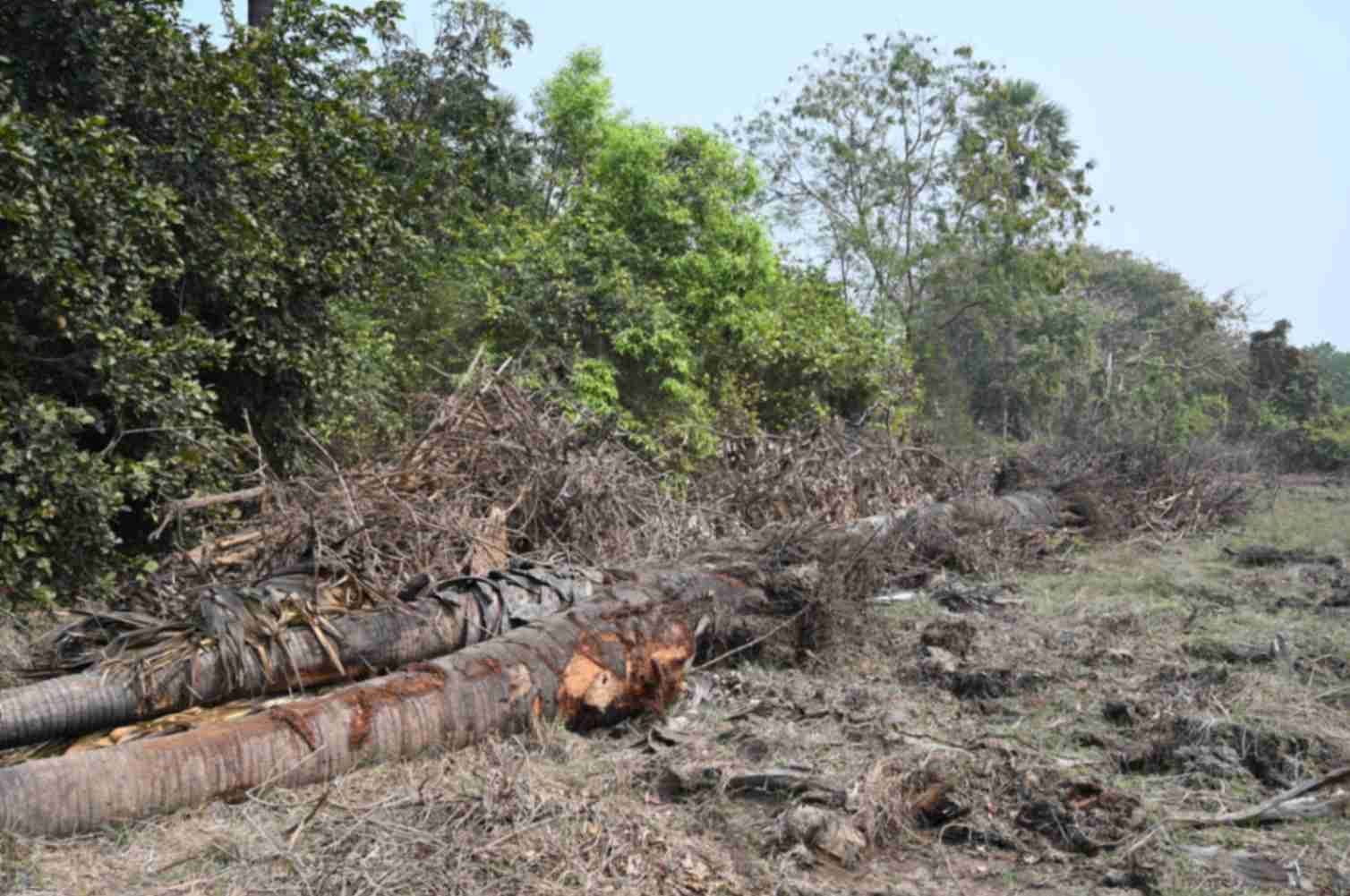 Some trees and mangroves on the Vadwan coast have been cut down. (Image credit: Komal Thombre)
Local organizations say that as per the instructions given by the court, inclusion of consent of Gram Sabha, transparent survey and clear policies of rehabilitation is necessary. However, actually many flaws are alleged in these processes. Overall, although the court has not directly put a ban on the project, it has put a strict condition of completing harsh environmental conditions and processes. Therefore the further path of Vadhvan Port project depends not only on administrative decisions, but also on judicial criteria and clearance processes.
Vadhvan Project: Scientific report vs. locals' fear
While speaking with 'BaiManus' about reclamation and dredging in the sea, Unmesh Wagh clarified that,
This is not some new type. Many ports in the world and projects like Mumbai's Nariman Point stand on reclamation. As the reclamation of 1448 hectares is very small compared to the vast amount of the sea, there will be no effect on the sea level or currents. As the sand required for reclamation will be brought from the sea itself from about 50 km distance, a balance of "pit at one place and filling at another place" will remain. Also as per the study of Zoological Survey of India marine life will migrate temporarily but there will be no permanent effect on them, and conditions of avoiding work during breeding period have also been put.
According to Unmesh Wagh, the remaining opposition is not based on issues but due to fear, misunderstanding and lack of communication. As proper communication did not happen with locals initially a shortage of trust was created, but later as discussions increased the opposition has decreased on a large scale and currently only 1–2% people's opposition is left. In democracy some amount of differences will remain, he accepted this.
While underlining that this project is very important for the country, Wagh says,
Container handling capacity in India, especially on the west coast, has reached almost full capacity. Jawaharlal Nehru Port Authority and Mundra port will be operating at full capacity in the next few years. Therefore the need for a new large port has been created. Also as there is a lack of development in this belt from Thane to Vapi this project can prove to be a big opportunity for that part. Roughly crore plus direct and indirect jobs are likely to be created, and for the economic development of Maharashtra this project will prove extremely important.
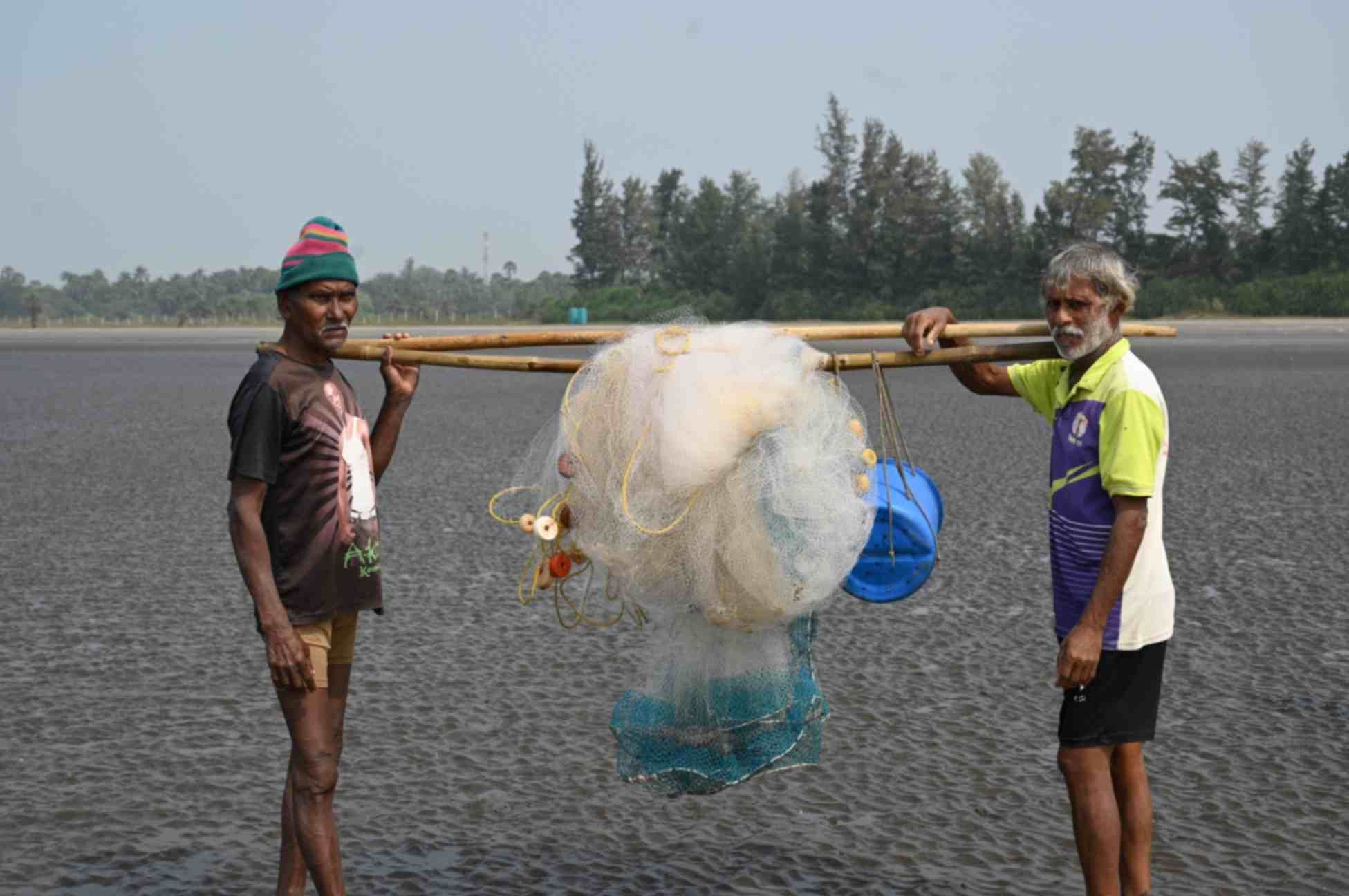 The livelihood of these fishermen depends on this coastline. However, the question of where they will be displaced after the expansion of the port is still unanswered. (Image credit: Komal Thombre)
Resolutions of Gram Panchayats ignored
Vadhvan and surrounding Gram Panchayats approved resolutions of opposition to the port. But the District Collector passed them unilaterally. "The voice of Gram Sabha itself was ignored. This project is called the Prime Minister's dream project, therefore MLAs-MPs do not speak. Our representatives are silent. But our question is of existence. Our opposition is firm. If an outside vehicle comes into the village people immediately inquire. So much distrust has been created." told the youth in the village.
After the gazette issued for the highway, entry of 'Reserved for national highway' and 'Ban on transfer' was put on 7/12 extract of concerned group numbers. However, permission of farmers was not taken. We need permission from the Gram Panchayat for our own house. But for a national project resolution of Gram Panchayat, opposition of Gram Sabha has no value at all? Surrounding Gram Panchayats showed opposition by making resolutions, but the allegation of villagers is that the District Collector passed them and took the project forward.
MLA Vinod Nikole has continuously criticized the Vadhvan Port project and given voice to the questions of locals. According to him, “This project is not just a subject of infrastructure but one that affects the environment, traditional fishing and farming business of the entire coastline. The plan of creating artificial land by putting reclamation on a large scale in the sea can be dangerous for marine biodiversity," he has warned. Demand that the project should not be implemented without taking consent of Gram Sabha and clear recognition of locals has been made by Vinod Nikole from time to time in marches. "Environmental Impact Report (EIA) should be declared transparently, surveys should be done in presence of villagers and clear guarantees should be given in case of rehabilitation. Development should happen only with the consent of people and by considering their future. Otherwise it will be displacement and not development,” such is his firm stand.
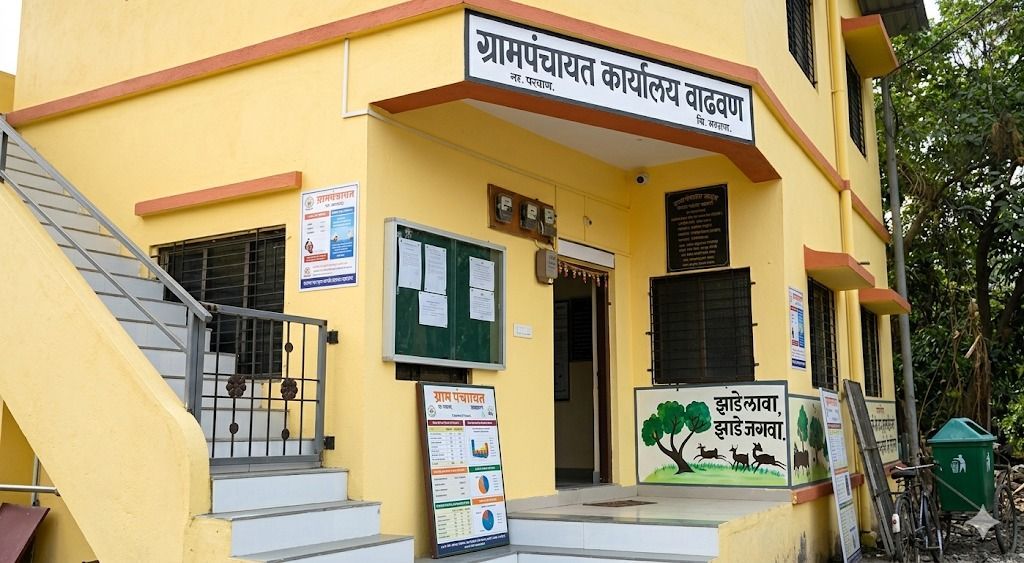 Gram Panchayat, Vadhvan (Image credit: Komal Thombre)
Vinit Patil says, "This development basically is not for the common public, but it is for select industrialists and their investors. The government is working only for the interest of industry. Sewage water of chemical companies in Tarapur MIDC is released into the sea. Does proper processing happen? If failure is already coming in controlling pollution, then how much will pollution increase due to the large port in Asia?"
As this is the Prime Minister's 'dream project', our representatives are silent.
For Vadhvan highway initially a proposal of 180 meter width was proposed. Vinit Patil claims that actual measurement was increased up to 360 meters. He also alleges that the survey of trees and houses done by forest and agriculture officials is "flawed". Because the survey was completed without the presence of villagers. To date the government has not taken initiative and asked why there is our opposition. Our MLAs-MPs are also silent. As this is a 'dream project' no one speaks, the sea is ours. It belongs to Kolis. Our 7/12 is not on the sea, but there is a relationship of generations. Can farming be given in place of stones? Can another sea be given in place of the sea?" such a direct question he asks the government.
This struggle has not yet ended in Vadhvan. In every march, every meeting and every house there is only one discussion "Will not let the port happen." But this opposition is not limited only to Vadhvan. Just forty kilometers away in Murbe village another struggle is rising with the same intensity. Anxiety has increased among local fishermen, farmers and villagers due to the proposed Jindal Port project. Like Vadhvan, intense opposition has started here too on land acquisition, environmental impact and livelihood questions. Fear that our existence will come in danger in the name of "Development" is clearly seen in Murbekars also. Therefore the voice of movement in Vadhvan is now reaching Murbe also, and a picture is seen that this struggle is not remaining limited to only one village but is spreading to the entire coastline in Palghar.
(Sanjana Khandare is a mentee at the Climate Change Media Hub of the Asian College of Journalism. The program is supported by Interlink Academy, Germany.)
(This story is produced under Project Dharitri, a joint undertaking by Asar and Baimanus on Climate Change & Gender reporting.)