Sanjana Khandare
- In Palghar district, Holi is not just a festival of colors, but a celebration deeply connected to agriculture, forests, and community life. Among the Warli, Katkari, and other tribal communities, Holi marks the beginning of the entire festive cycle.
- Each festival is closely tied to the rhythm of rainfall, crop growth, and nature worship. However, in recent years, changing climate patterns have made the timing, intensity, and distribution of rainfall increasingly unpredictable.
- This ground report explores how climate change is affecting traditions and festival culture in the tribal life of Palghar.
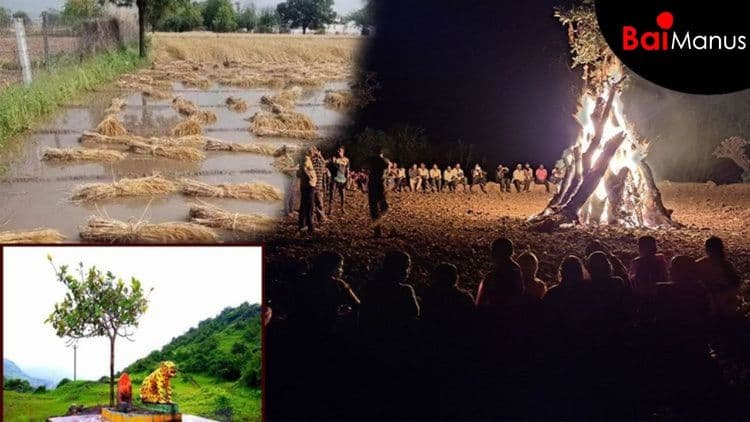
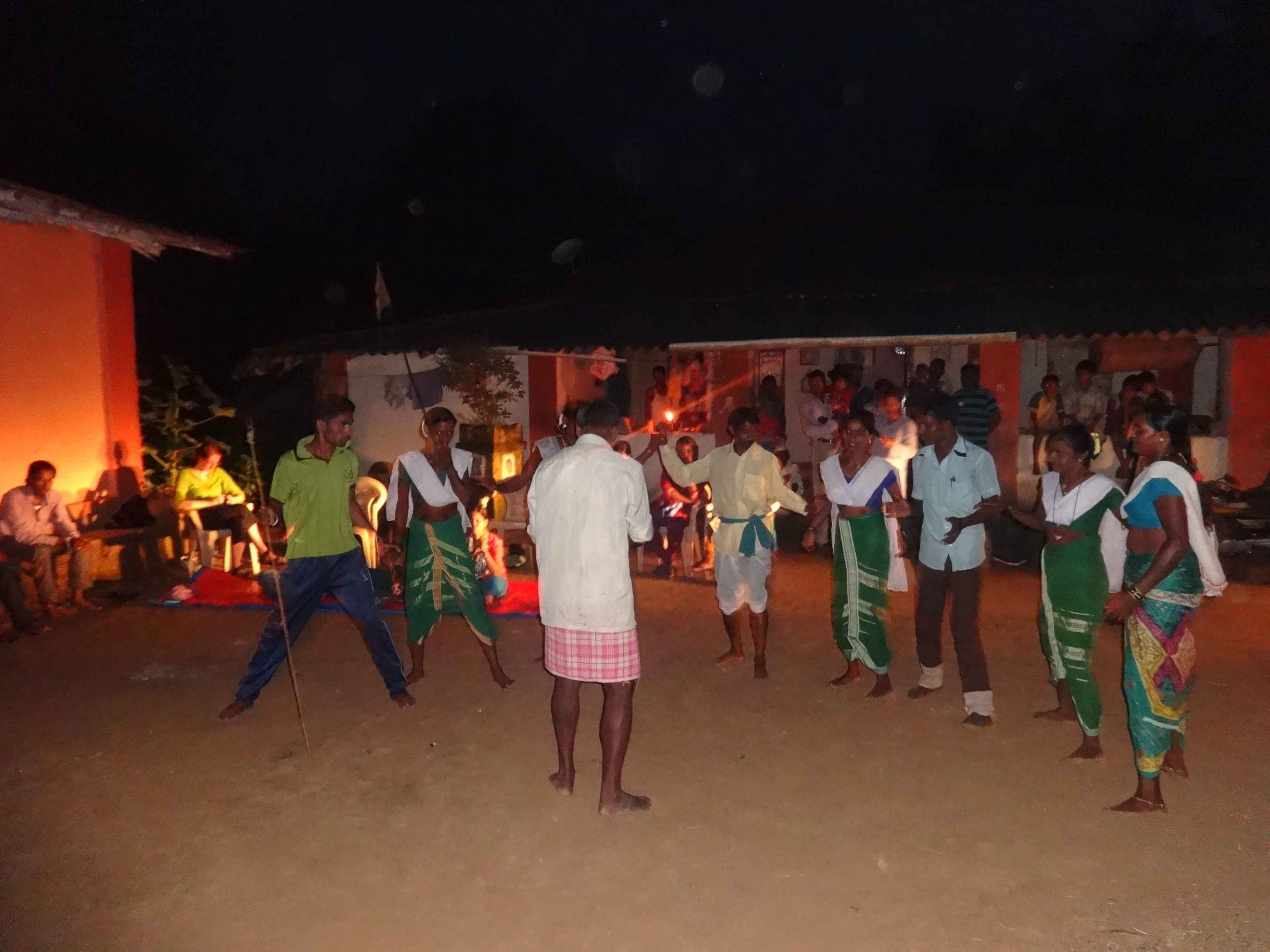
In Palghar district, Holi is not merely a festival of colors; it is a celebration rooted in agriculture, forests, and collective participation. In the hamlets nestled in the hills, wood is gathered before Holi, the village deity is worshipped, and at night the villagers come together around the Holika bonfire. Among the Warli, Katkari, and other tribal communities of Palghar, Holi signals the beginning of a new agricultural cycle. In some places, raw mangoes are worshipped, while in other areas the day after Holi is marked by community dancing and the playing of the ‘tarpa’. However, in recent years, the rhythm of this festival has begun to change. This year, temperatures rose as early as January–February. Winter ended sooner than usual, and water scarcity has already begun to be felt in some areas. Rabi crops have been affected. As a result, the enthusiasm of Holi in some places has remained limited. “Earlier, Holi was a festival celebrating the satisfaction of a good harvest,” says a Warli tribal farmer from Jawhar taluka.
As soon as Holi ends, ‘Akhati’ (Akshaya Tritiya) arrives. After that, in the month of Magh, the ‘Beej festival’ is celebrated. At the beginning of the monsoon comes the ‘Kavali Bhaji’ festival. From Nag Panchami onwards, the playing of the tarpa begins and continues until Dussehra and Diwali. During the ‘Nava Khana’ festival, no one eats the new rice—whether as poha or kheer—until it is first offered to the deity. The first day of Diwali is observed as ‘Wagh Baras’.
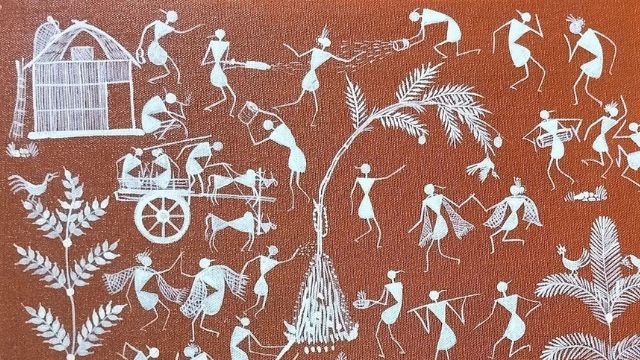 (Photo Credit: PARI)
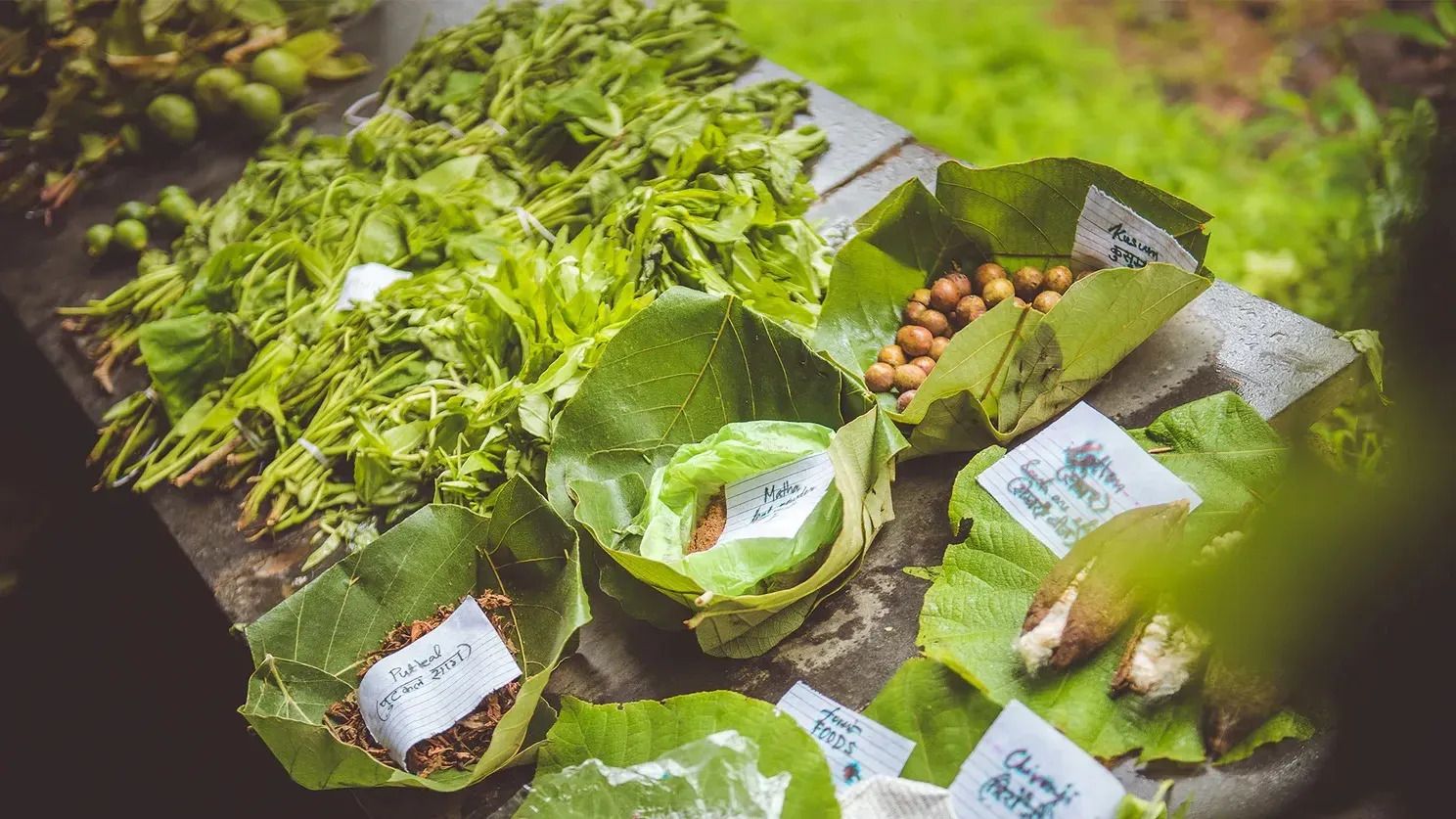
This entire festive cycle is woven into the rhythm of the rains. But in the past few years, rainfall patterns have changed. Sometimes June passes completely dry, while at other times heavy downpours arrive all at once, washing away crops and wild greens. This has had a direct impact on the festivals of the tribal communities in Palghar. The ‘Kavali Bhaji’ required for the festival does not sprout on time. As a result, the festival is not celebrated with the same enthusiasm and remains merely symbolic in some places.
The impact of climate change here is not only economic, but cultural as well. In tribal life, agriculture, nature, and festivals form a continuous chain. When the rains are disrupted, farming suffers; when farming suffers, the enthusiasm for festivals declines—and at times, festivals are not celebrated at all. This ground report examines how climate change in Palghar has affected tribal traditions.
Palghar and Tribal Culture
Palghar, located in the northern Konkan belt of Maharashtra, is a predominantly tribal district. Communities such as the Warli, Katkari, Koli Mahadev, Thakar, and Konkani tribes reside here in large numbers. The region is characterized by hills, forests, and rain-dependent agriculture.
Local festivals are deeply intertwined with the agricultural cycle from sowing and crop growth to harvest and the first taste of new grain. Nature worship lies at the heart of tribal faith, with village goddesses, forest deities, and rain gods holding special significance. Rain is not merely a climatic factor but the foundation of life, food, and tradition. The timing, intensity, and rhythm of rainfall determine the scheduling and spirit of festivals.
The hills of Palghar still echo with tarpa music. But when the rhythm of nature changes, so too does the rhythm of culture.
Ravi Budhar, a resident of Jambhulvahir village in Jawhar taluka and a member of the Warli community, works as a teacher in a Zilla Parishad school. He explains:
Whether in Palghar or any tribal district, our lives are closely connected to agriculture and nature. Every season and every festival is a dialogue with nature. In the month of Magh, the Warli and Katkari communities celebrate Beej San. When the harvested grain reaches home, we prepare rice or ragi dumplings and offer them to Narayandev — the rain deity — as gratitude for good rainfall and a plentiful harvest.
After this comes Holi, followed by Akhati (Akshaya Tritiya). On that day, maize or finger millet is sown in a clay pot to predict the agricultural prospects of the year. In some communities, ancestors are honored through ritual fire offerings, acknowledging that the land we cultivate today has been preserved by them.
He continues:
At the onset of monsoon, the Kavli Bhaji festival is celebrated. The first wild greens that sprout after the rains are offered to the village goddess. The previous day, a ritual dance called ‘Kambad Nach’ is performed to invoke Narayandev’s blessings. Then comes Nag Panchami, locally called ‘Pachmi,’ when the serpent deity is worshipped. From that day, Tarpa playing begins and continues until Dussehra and Diwali.
Later comes the Nava Khana festival. When new rice ripens, flattened rice or kheer is prepared and first offered to the deity before being consumed. After Diwali, the Sati festival is observed, offering newly harvested crops to the gods.
All these festivals are tied to specific seasons. But with changing rainfall patterns, dates shift. Sometimes rain arrives late; sometimes unseasonal rain damages crops. Our farming, dancing, and tarpa music are collective activities. Now climate change has disturbed this balance.
Wagh Baras: Nature Worship, Protection, and a Changing Reality
In Palghar and parts of North Maharashtra, the first day of Diwali is celebrated as ‘Wagh Baras’ among the Warli tribal community. Waghoba is revered as a forest deity. On this day, Waghoba is worshipped to seek protection for cattle, crops, and forests. Cattle include the village’s cows, bulls, calves, and other domestic animals that form the backbone of farming activities, provide milk and manure, and support livelihoods. In tribal society, cattle are regarded as symbols of wealth and stability. On this day, villagers suspend farm work, gather near the temple, perform rituals for their cattle, and pray for a good harvest and protection from disease.
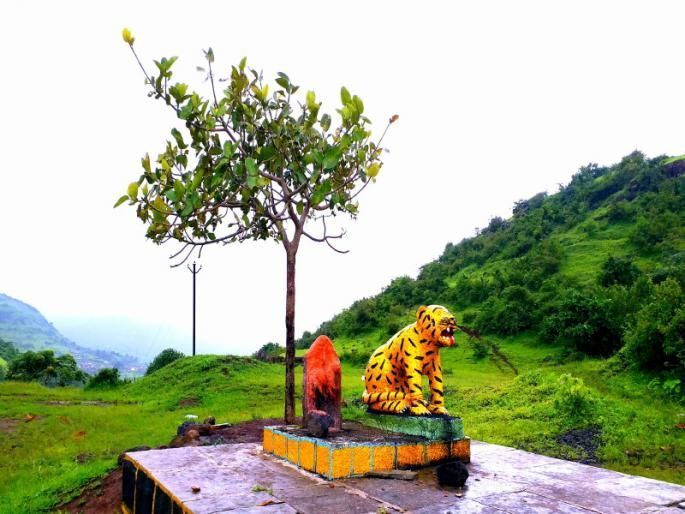
However, climate change appears to be affecting the very roots of this tradition. In Palghar, irregular rainfall patterns, episodes of excessive rain, and prolonged dry spells have led to a decline in agricultural production. Fodder shortages have emerged, livestock grow weak due to lack of water, and in some places animals are forced to be sold. As a result, cattle numbers are decreasing. At the same time, declining forest biodiversity has reduced the availability of natural fodder and medicinal plants for animals. Consequently, Wagh Baras, which is celebrated for the protection of cattle, is no longer observed with the same enthusiasm as before. In some places, it has been reduced to a symbolic ritual. The very cattle for whose protection this festival exists have themselves become increasingly vulnerable.
What Do Meteorological Records Indicate?
According to official data from the Indian Meteorological Department (IMD), significant changes have been observed in the timing, intensity, and distribution of rainfall in Palghar district over the past few years. In the last five years, the monsoon has often arrived late, while certain periods have recorded heavy rainfall within a short span. In some weeks, rainfall has exceeded the average, whereas other areas have faced deficits. Fluctuations in temperature have also increased. This irregularity has led to delayed sowing and crop losses due to unseasonal rains after harvest.
Official and updated rainfall data for Palghar district is available on the
IMD website (https://mausam.imd.gov.in), the district-wise Hydromet Data Portal (https://hydro.imd.gov.in/hydrometweb/), and the IMD Mumbai Regional Centre website (https://mausam.imd.gov.in/mumbai/).
“When Rain Changes, Traditions Change”
In Palghar’s tribal regions, festivals and agriculture are inseparable. Even minor shifts in rainfall directly affect celebrations. Delayed sowing pushes festivals forward; excessive rain reduces them to modest observances. Drought increases financial strain, limiting communal feasts and dances.
Kirti Vartha, who has worked for years to preserve tribal traditions in Palghar, says:
Rice farming is our primary occupation. Around Diwali, we perform the important ritual of ‘Khalyacha Dev’ after bringing paddy home and cleaning the threshing floor. But if rainfall is excessive or the crop is delayed, the ritual is postponed or sometimes not performed at all. Climate directly impacts our customs.
During the monsoon, the first forest greens are eaten in the name of the deity. During Holi, mangoes are worshipped before being consumed. Our festivals are rooted in the soil and in nature. But large development projects, changing lifestyles, and climate change are pushing traditions into the background. Culture and environment are closely linked if culture survives, so will the environment.
Declining Income, Rising Migration — Impact on Festivals
Environmental researcher Saurabh Mahadik from Palghar explains,
Over the past few years, rainfall in the Palghar region has become unpredictable. As a result, agricultural activities are often delayed. Some farmers no longer earn as much as they used to. Consequently, many leave their villages and migrate to the MIDC area in Boisar or other industrial zones for work.
Due to migration, people are often unable to return to their villages for festivals, and celebrations that were once observed collectively are gradually fading away. Climate change is certainly a factor driving this migration; at the same time, the lack of basic amenities required for a changing lifestyle also plays a role. The shortage of facilities, shifting climate patterns, and declining agricultural output are all directly impacting the festival culture of tribal communities.
Non-Economic Loss and Damage: Cultural Erosion in Palghar
In recent years, irregular rainfall, short-duration heavy showers, and prolonged dry spells have disrupted Palghar’s agricultural cycle. The consequences extend beyond rice yields or household incomes; they affect the cultural life of tribal communities.
At international climate negotiations, the concept of “non-economic loss and damage” highlights such intangible losses including cultural heritage, traditional knowledge, and community identity.
When forest biodiversity declines, wild produce diminishes, or livestock numbers fall, the essence of festivals changes. This loss cannot be quantified in monetary terms; it represents erosion of belief systems, traditions, and collective identity.
Therefore, climate adaptation policies in Palghar must extend beyond agricultural solutions to include equal emphasis on safeguarding local culture and traditions.
(Sanjana Khandare is a mentee at the Climate Change Media Hub of the Asian College of Journalism. The program is supported by Interlink Academy, Germany.)
(This story is produced under Project Dharitri, a joint undertaking by Asar and Baimanus on Climate Change & Gender reporting.)