Anushka Thakur
DANEL, MAHARASHTRA In the tribal pockets of Nandurbar, at the border where Maharashtra meets Gujarat and Madhya Pradesh, time seems to have stood stone-still. While the rest of India discusses 5G and digital progress in 2026, the villagers of Danel are surviving a reality that mirrors the previous century. Here, a woman’s pregnancy is not a journey of joy, but a high-stakes gamble with death.
The Primitive Reality of Childbirth
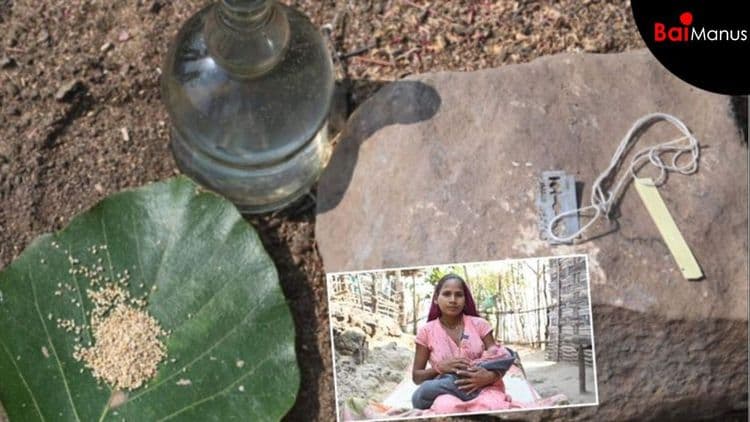
In Danel, the "delivery room" is a hut floor, and the "surgical kit" is a rusted blade or a sharpened sliver of bamboo. When a woman goes into labor, the community has no access to anesthesia or sterile environments. Instead, they rely on Mahua liquor, a local forest spirit to dull the mother’s excruciating pain.
"We don't have chloroform or medicine," explains an accoucheuse (traditional birth attendant) from the village. "We use what we have. If there is no blade at home, we use a sharp piece of bamboo to cut the umbilical cord."
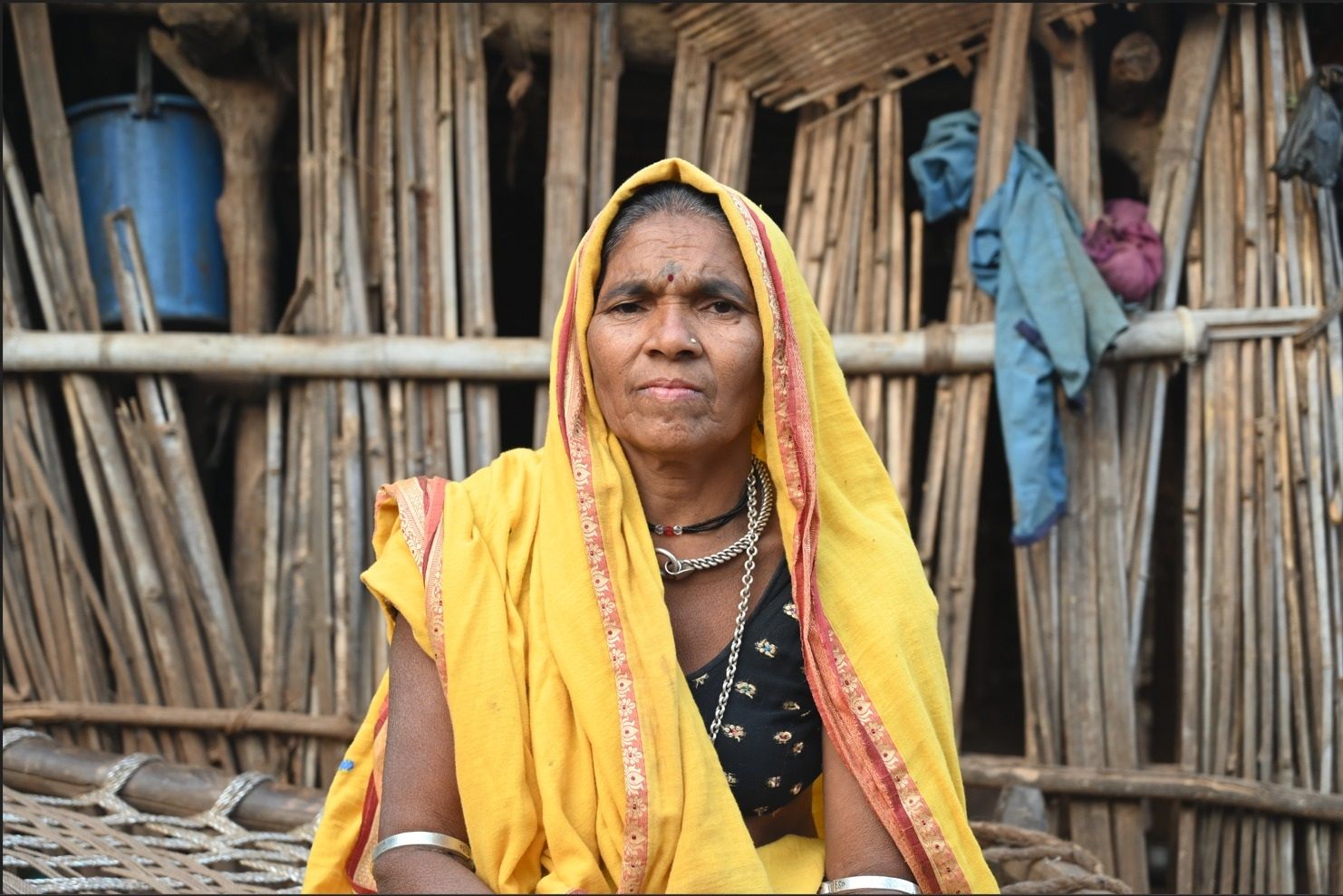 Saydi Padvi, the woman performing the delivery (Photo Credit: Anushka Thakur)
A Deadly Gamble with Infection
Medical experts warn that these traditional methods are a death sentence waiting to happen. Using unsterilized bamboo or blades introduces deadly bacteria directly into the newborn’s bloodstream. Without professional clamping, the risk of postpartum hemorrhage (uncontrolled bleeding) is massive. This remains the leading cause of maternal death in the region. Dr. Kuvarasing Vasave, the Medical Officer of Danel, admits the gravity of the situation: "Using crude tools poses a high risk of tetanus and fatal infections. Without scientific knowledge of where to sever the cord, both mother and child are at risk of death."
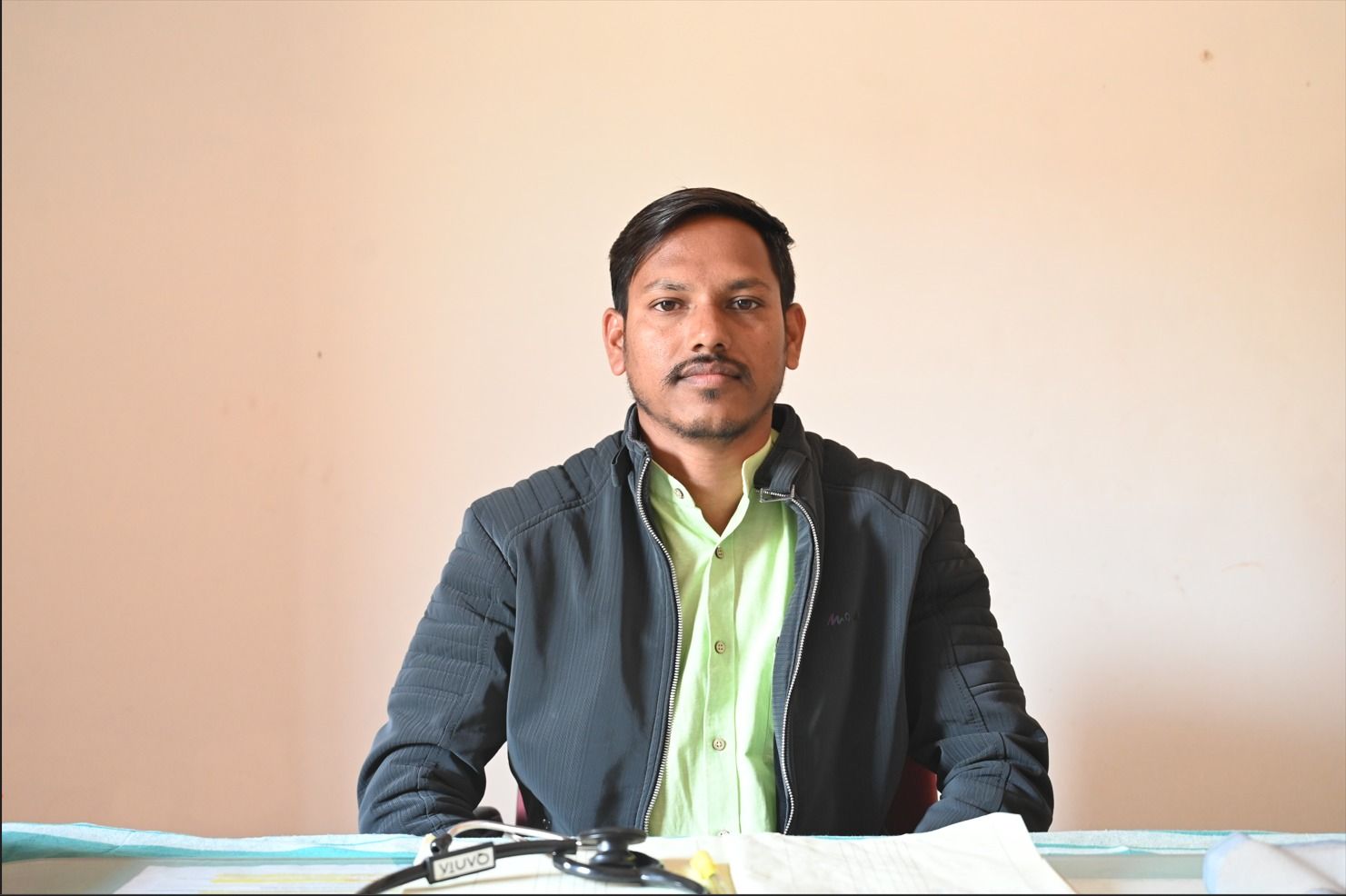 Dr. Kuvarsingh Vasave, a Medical Officer presenting the reality of working with inadequate facilities in ultra-remote areas (Photo Credit: Anushka Thakur)
"Fear, Not Faith": The Infrastructure Gap
For 26-year-old Sayadi Bhalsing Padvi, who recently gave birth at home, the choice wasn't about following ancient rituals, it was about survival. "The roads are so bad we feared the baby would be born in the dirt on the way to the hospital," Sayadi said. "There is a sub-center in the village, but it has been shut for years. This isn't blind faith; it's fear created by a broken system."
The village Sarpanch, Sandeep Padvi, describes a harrowing scene where the sick are carried in a jholi (a makeshift cloth stretcher) for miles because four-wheelers cannot navigate the "ghastly" terrain. Even if they reach the Primary Health Center (PHC), they are often turned away because the facility, despite being a large building, lacks the basic equipment to perform a single delivery.
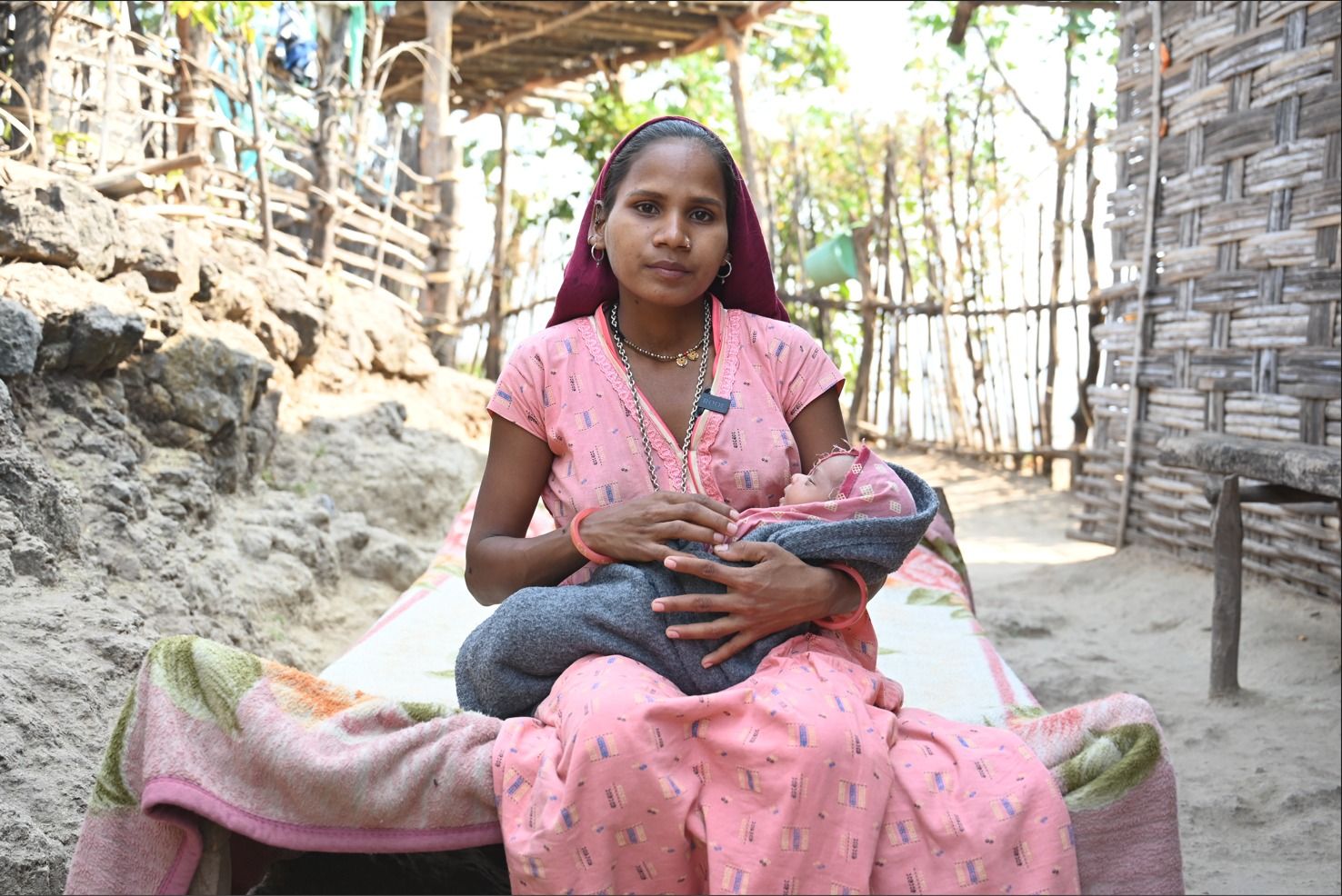 Saydi Bhalsing Padvi, a woman who has recently given birth (Photo Credit: Anushka Thakur)
A Systemic Collapse
The crisis is not just geography, but administration. Dr. Vasave reveals a startling lack of resources:
1.Missing Facilities: Out of four required sub-centers, three haven't even been built.
2.Makeshift Medicine: Doctors are forced to treat patients in Anganwadi (daycare) rooms.
3.Empty Halls: The main PHC has never seen a successful delivery due to a lack of equipment and staff.
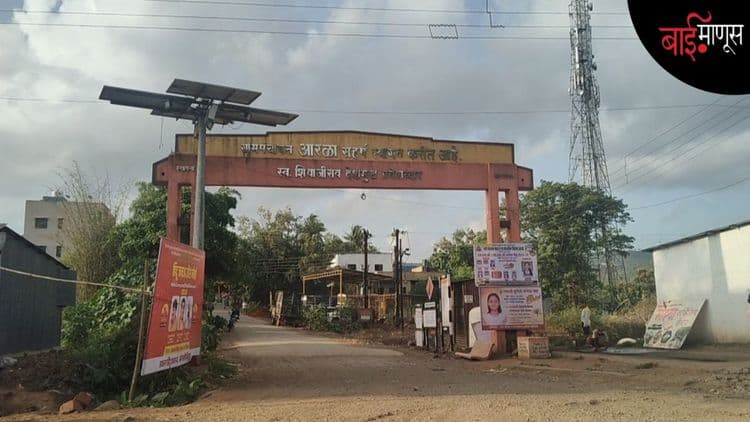
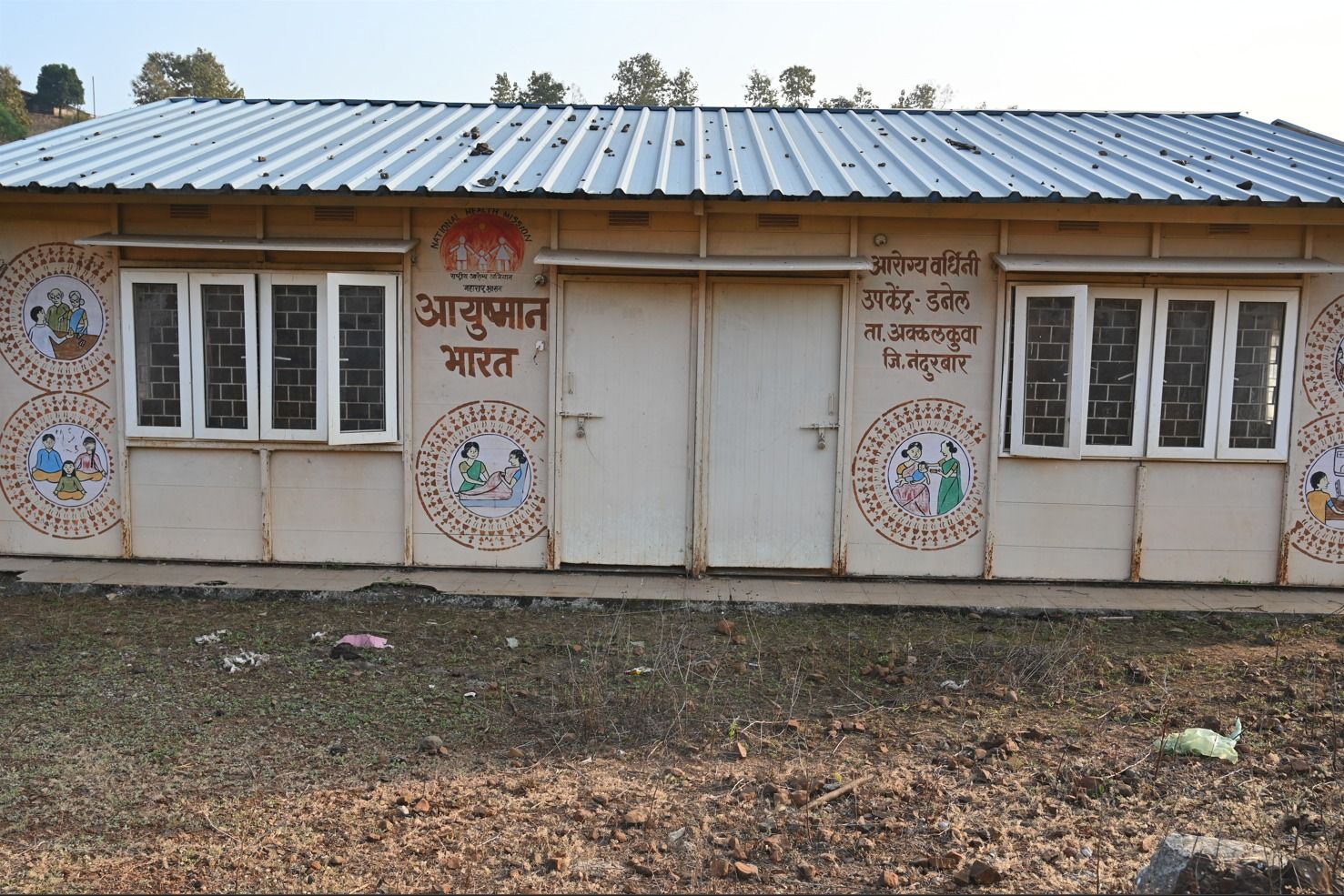 The Health Sub-center in Danel, where schemes exist on the walls but services are absent in reality. (Photo Credit: Anushka Thakur)
Conclusion:
A Legacy of Neglect
In Danel, the umbilical cord is tied with thread and buried under a stone, marked with the baby's name according to tribal ritual. But the real weight on these children is the "legacy of danger" they are born into. As long as the roads remain unpaved and the clinics remain empty, the villagers of Nandurbar will continue to live in 1999, even as the rest of the world moves toward the future.