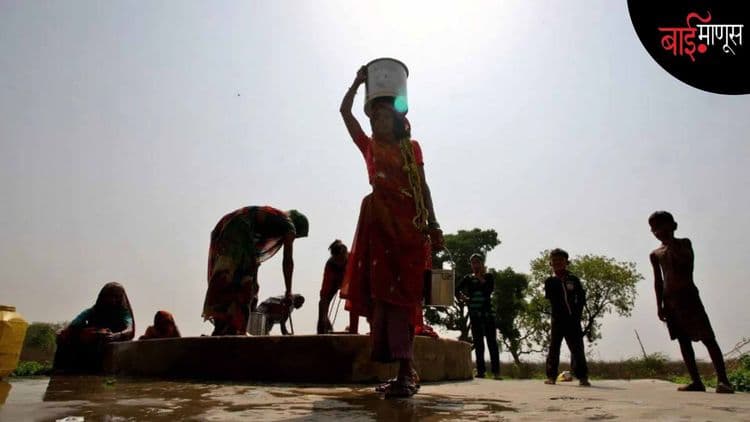
A recent report revealed that February 2025 was the hottest February in the last 125 years. Due to climate change and environmental degradation, the health and safety of workers are increasingly at risk. Intense heat affects both their efficiency and productivity. People living on the margins face the harshest consequences of climate change, as they cannot afford to live in comfortable conditions.
Domestic and daily wage workers are especially vulnerable to these climate impacts. Due to economic hardship, they are forced to work in extreme and inhumane conditions. As the heat intensifies, these workers face a host of health issues, including heatstroke, heat cramps, and cardiovascular problems. Strategic interventions are needed to protect their health and ensure their safety.
The average human body temperature is 37°C, and any increase beyond 38°C leads to physical and mental complications. Children, women, and laborers are particularly affected. Women workers, especially those working in hot environments, experience more health complications.
The Impact of Climate Change Is More Severe for Marginalized Communities
Jyoti, a 30-year-old domestic worker from Uttar Pradesh, has been working in Delhi for the past 13 years. She says,
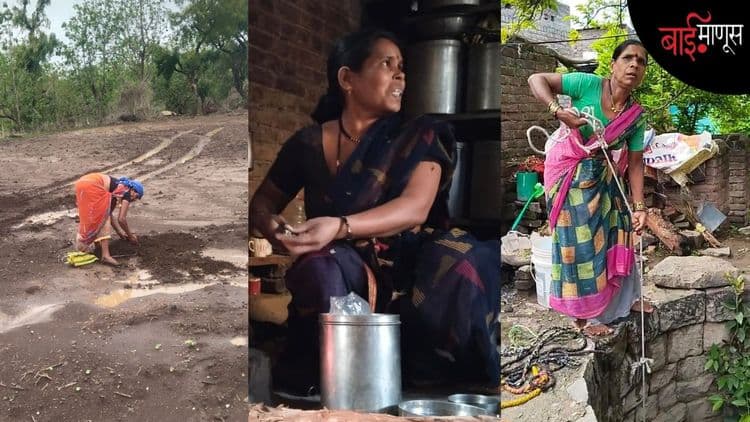
“This is the first time I’ve felt June-like heat as early as March. When I moved to Delhi, I had no choice but to work. I wasn’t very educated, so finding a job was difficult. But I could cook, so I turned that into a livelihood to support my family. Everyone in the family contributes to the household expenses through small jobs. Right now, my children’s education is my priority, because I know the consequences of limited education. I leave the house at 6 AM and return by noon. The heat hits the face the moment I step outside. March already feels like May or June. I have to rush around for different jobs, often working in front of hot stoves. But there’s no alternative—I must work.”
India is extremely sensitive to heat. The number of hot days and nights is consistently increasing, and by 2050, this number may double or even quadruple. Heatwaves are arriving earlier, lasting longer, and occurring more frequently, affecting laborers the most.
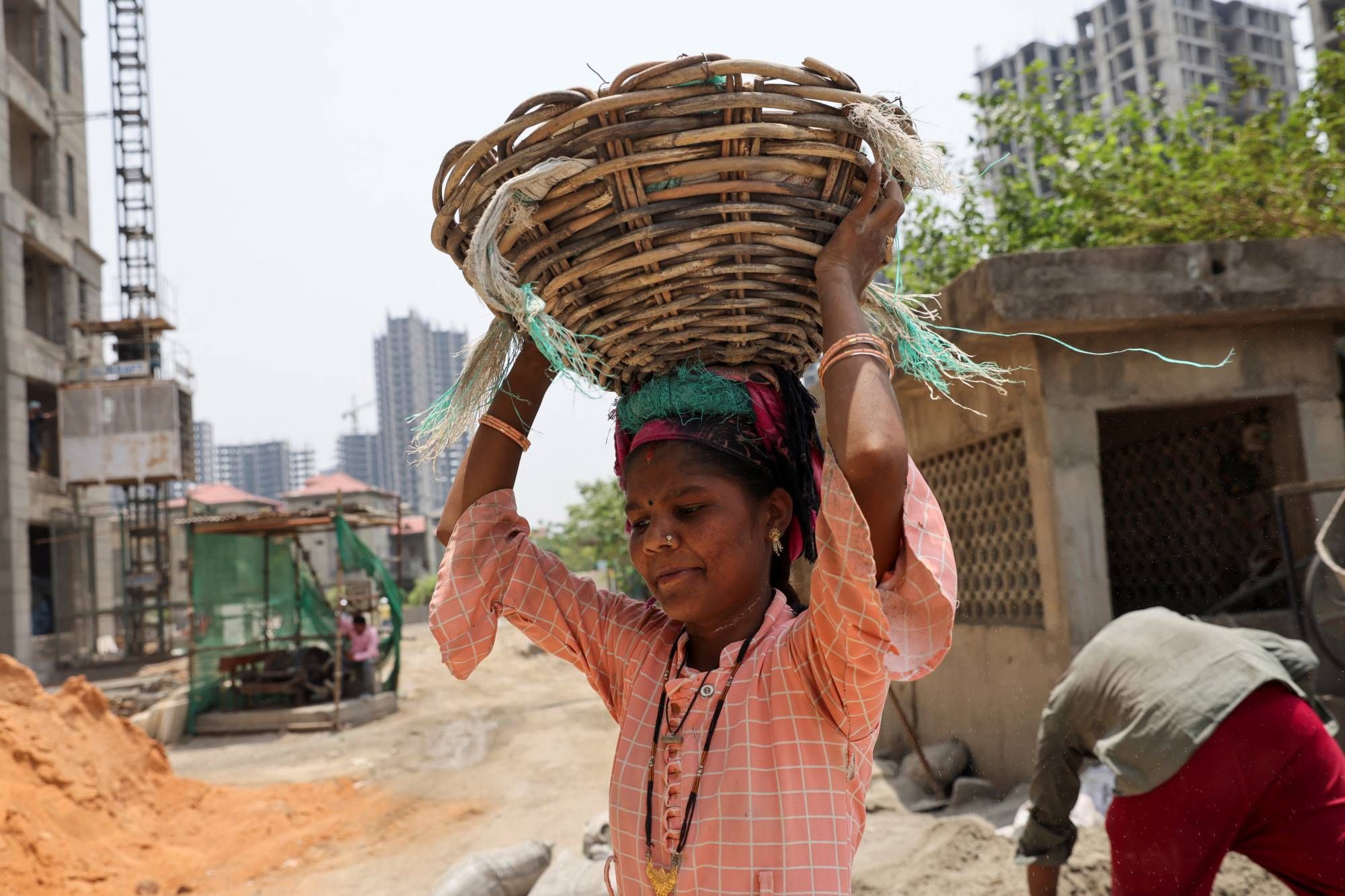
Priyamvada, a 40-year-old daily wage construction worker in Delhi, shares,
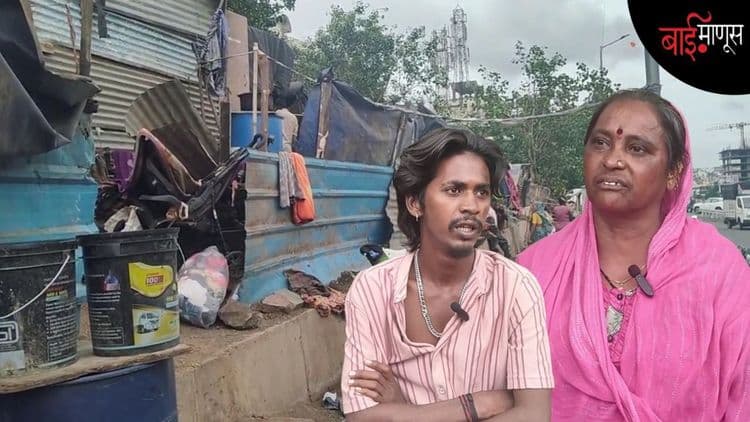
“Even in this heat, we can't skip work. If we don’t work, how will the house run? So, I continue working no matter what. I’ve been in Delhi for 20 years, but I don’t remember it ever being this hot. Sometimes, I feel I might faint on the job. Even after so much work, I don’t earn enough to rent a room, so I live in a slum. When I turn on the fan, it blows hot air, and there’s often no electricity. I can’t sleep at night. No one in my family has a permanent job, so we have no stable income. Living in this kind of heat is unbearable, but we’re helpless. If March is already this hot, I can’t imagine what’s coming next.”
Read More
1) खरंच ‘रुह अफजा’ मुस्लिमांचे पेय आहे…? अन् त्याचे कनेक्शन पाकिस्तानशी आहे का…?
167.2 Billion Labor Hours Lost Due to Heat
According to a report, India lost 167.2 billion labor hours in 2021 due to heat, which impacted 5.4% of the country’s GDP. The International Labour Organization’s global report notes that climate change significantly affects workers' health and safety. Farmers and daily wage workers are most at risk. The increasing heat makes it difficult for them to work, reducing their income and increasing health hazards.
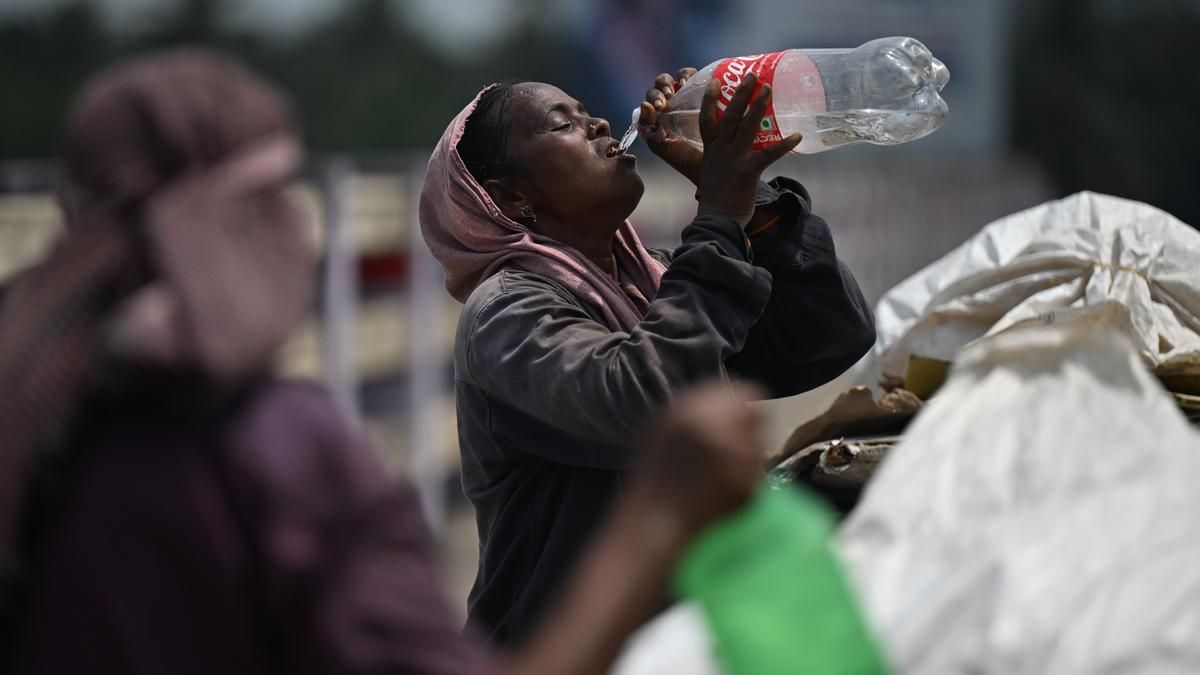
Sultana, a 50-year-old waste collector in Delhi from Rajasthan, says,
“Working in this heat is unbearable. But we can’t afford to stop working, or we lose our daily wages. No one at home looks after me, so I have to earn something every day. If I don’t, we don’t eat. The work often requires me to be out in the open, which makes it even more difficult. I sometimes wish to sit in the shade, but finding shade in Delhi is hard. I’ve fainted several times.”
A report noted that India experienced its longest heatwave in 2024. In Uttar Pradesh, there were 20 days of heatwaves between March 1 and June 9, during which 110 people died from heatstroke and over 40,000 suffered from heat-related ailments. While there is no official data on heat-related or occupational deaths, media reports confirmed several fatalities in Delhi and Uttar Pradesh.
What Do the Poor Gain from Heat Action Plans?
The brunt of these conditions falls most heavily on marginalized daily wage workers. According to the World Bank’s 2022 report, by 2030, heat could impact 160 to 200 million people in India, posing serious threats to health and livelihoods.
Naina, a 40-year-old farmer living on the banks of the Yamuna in Delhi, shares,
“I came to Delhi 10 years ago in search of work, but it was hard to find any. So, I started farming while living in a shack near the Yamuna. My husband and two children live with me, and I have to take care of them. Climate change has affected not just our health but our crops. Extreme heat, rain, and cold have ruined our harvests and reduced income. Working in this heat is hard, but I have no choice—someone has to support the family. Farming isn’t easy. I have to care for the crops under the open sky all day, watch over the animals, clean the field, fertilize it, and water the plants. All this becomes even more exhausting in the heat.”
In India, rising temperatures are affecting domestic and daily wage women workers the most. They are forced to work in unsafe, unorganized conditions. While some cities are developing Heat Action Plans, these plans are neither accessible to nor inclusive of women living on the margins.
What Needs to Be Done?
There’s a pressing need for strategic policy interventions to address heat-related challenges in the country. Essential facilities like cold drinking water at workplaces, shaded rest areas, and basic first-aid services must be provided. Health insurance and emergency medical support are also crucial. Unless serious efforts are made on a large scale soon, survival and employment will become increasingly difficult for the poor.